

Ford Mustang Engine Valve Lifter Guide (1995-2006)
Fix that annoying engine tick and restore your Mustang's power with the right new valve lifters.
- A rhythmic ticking noise that changes with engine speed is the primary symptom of a bad valve lifter.
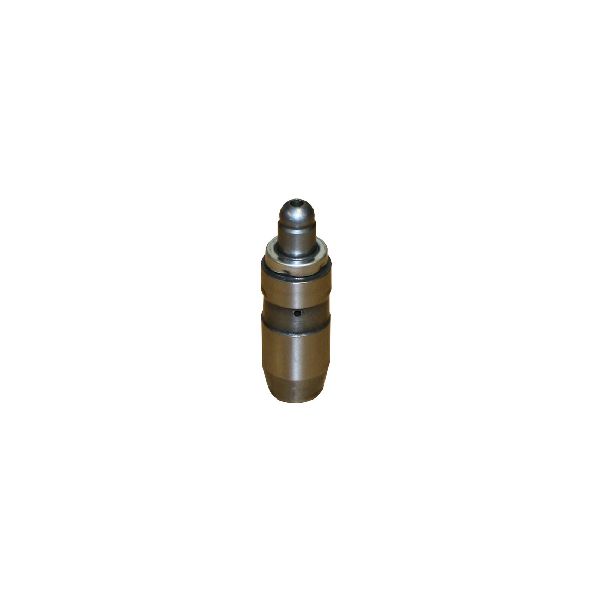
- For the 4.6L OHC engines, the part is a 'lash adjuster' or 'roller follower', but it serves the same function and is commonly called a lifter.
- It is strongly recommended to replace all lifters as a complete set, not just the failing one, and to soak the new parts in oil before installation.
- For a stock engine, Melling and Sealed Power are reliable, high-quality aftermarket choices; for performance builds, look to Isky Racing Cams.
Understanding Your Mustang's Valve Lifters

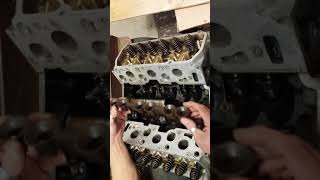
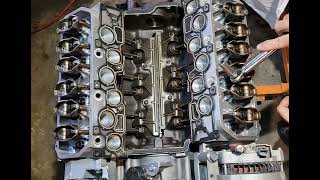
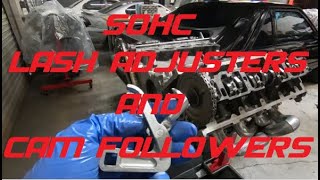
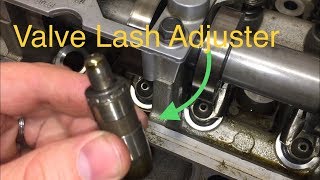
If you're hearing a persistent ticking or tapping sound from your 1995-2006 Mustang's engine, there's a good chance a valve lifter is the culprit. This sound often changes with engine speed—getting faster as you accelerate. While the term "lifter" is used for all engines in this generation, the part itself differs. Pushrod engines (1995 5.0L V8, 1995-2004 3.8L V6) use a traditional hydraulic roller lifter in the engine block. Overhead cam engines (like the 4.6L V8) use hydraulic lash adjusters, also called roller followers, located in the cylinder head under the camshafts. Both serve the same purpose: to transfer the camshaft's motion to the valves while automatically adjusting for any slack.
Don't Ignore a Ticking Lifter
A ticking lifter is more than just an annoying sound. It's a sign of a problem that can lead to more significant engine damage if ignored. A collapsed or stuck lifter can cause a misfire, loss of power, and eventually, damage to the camshaft or other valvetrain components.
Symptoms of a Bad Valve Lifter

The most common sign of a failing lifter is a distinct ticking or tapping noise from the top of the engine. You might also experience:
- Engine Misfires: A collapsed lifter can prevent a valve from opening properly, leading to a misfire, which may trigger a check engine light with codes like P0300 (random misfire) or P0301-P0308 for specific cylinders.
- Rough Idle: The engine may run unevenly at idle due to the inconsistent valve operation.
- Loss of Power: With valves not opening and closing correctly, your Mustang won't be able to breathe efficiently, resulting in a noticeable decrease in performance.
- Noise on Startup: The ticking might be loudest when you first start the car and then quiet down as the engine warms up and oil pressure builds. Conversely, some lifters get noisy only after the oil is hot and thin.
Known Issues, Recalls, and TSBs

For the 1995-2006 Mustang, there are no specific recalls for engine valve lifters themselves. However, there was a Technical Service Bulletin (TSB) for some 2006 Mustang GT models. Ford TSB Article #06-9-11 noted that vehicles built between January and February 2006 could exhibit a loud ticking noise caused by a stuck or collapsed lash adjuster. This indicates that even from the factory, these components can sometimes fail. Forum discussions among owners frequently point to ticking noises as a common issue, especially in higher-mileage 4.6L 2V engines.
Choosing the Right Aftermarket Lifters

Since you're replacing a worn part, it's a good time to consider your options. For this specific part on the 1995-2006 Mustang, aftermarket quality is generally very good, and often meets or exceeds OEM standards for a lower price.
Pro Tip: It is highly recommended to replace all lifters at once, not just the one that is making noise. They have all endured the same mileage and conditions, and it's labor-intensive to get to them. Soaking new lifters in fresh engine oil for at least a few hours (or even days) before installation is a critical step to ensure they are primed and ready.
Brand Tiers
- Performance Tier (Isky Racing Cams): If you are building a high-performance engine or have an aftermarket camshaft, Isky is a legendary name. Their lifters are designed for more aggressive cam profiles and higher engine speeds. This is overkill for a stock daily driver but essential for a serious build.
- OEM-Quality Tier (Melling, Sealed Power): Melling and Sealed Power are highly respected brands in the aftermarket. They are known for producing parts that are equivalent to, and sometimes better than, the original factory parts. For a stock or lightly modified Mustang, these brands offer the best combination of quality, reliability, and value.
- Value Tier (DNJ Engine Components, DJ Rock, CRP): These brands provide a more budget-friendly option. They are a viable choice for a standard repair where cost is a primary concern. While they may not have the same long-standing reputation as Melling or Sealed Power, they offer functional replacements that meet OE specifications.
| Brand Tier | Common Brands | Price Range (Per Lifter) | Best For |
|---|---|---|---|
| Performance | Isky Racing Cams | $25 - $55+ | Racing, high-performance cams, engine builds |
| OEM-Quality | Melling, Melling Select, Sealed Power | $12 - $30 | Stock replacement, daily drivers, reliability |
| Value | DNJ, DJ Rock, CRP | $10 - $20 | Budget-conscious repairs, standard use |
Frequently Asked Questions (FAQ)
Can I replace just the one bad lifter?
You can, but it's not recommended. The labor to access the lifters is significant, involving the removal of the intake manifold (on pushrod engines) and/or valve covers. Since all lifters have the same amount of wear, another one could fail soon after. Replacing them all as a set is the best practice.
What causes valve lifters to fail?
The most common cause is dirty or old engine oil. Sludge can build up and block the small oil passages inside the lifter, causing it to collapse or stick. Low oil levels or using the wrong viscosity oil can also lead to failure. High mileage and normal wear and tear are also major factors.
Is this a difficult DIY job?
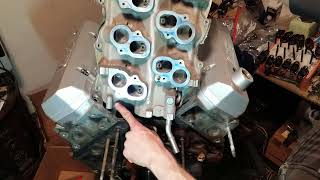
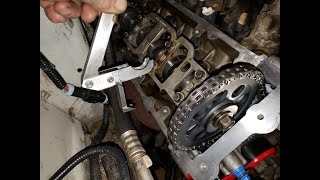
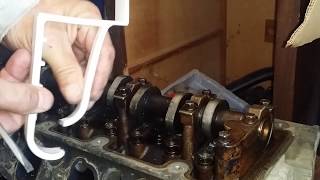
Yes, this is a moderately difficult job. For the 3.8L V6, it requires removing the upper and lower intake manifolds to access the lifter valley. For the 4.6L V8, you must remove the valve covers, which can be tight, and use a special tool to release the rocker arms to access the lash adjusters. It is feasible for an experienced DIY mechanic, but a beginner may find it challenging.
How can I tell if the ticking is a lifter or something else?
It can be tricky. A ticking noise can also come from a fuel injector, an exhaust leak at the manifold, or even a loose spark plug. A common diagnostic trick is to use a mechanic's stethoscope or a long screwdriver held to your ear to pinpoint the source of the noise. A lifter tick will be loudest on the valve cover, while an injector tick will be loudest right on the injector body.
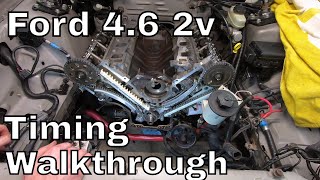
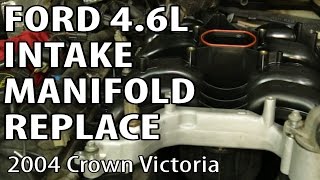
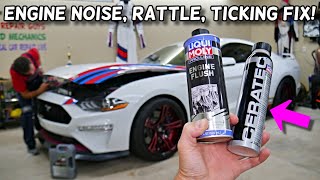
Helpful Videos




Technical Specifications
OEM Part Numbers: 5L1Z-6500-A F1AZ-6500-A E9SZ-6500-A BR3Z-6500-A
Varies by engine: Pushrod engines (3.8L V6, 5.0L V8) use hydraulic roller lifters. OHC engines (4.6L V8, 4.0L V6) use hydraulic lash adjusters/roller followers. All are designed to be 'zero-lash'.
We Have This Part in Stock


The information in this article is provided for general reference and educational purposes only. Vehicle specifications, procedures, and part compatibility can vary by production date, trim level, and region. Always consult your vehicle's factory service manual and verify part numbers before purchasing or performing repairs. Safety-critical components such as airbags, seat belts, and braking systems should be installed by a qualified professional.
- Ford Mustang: