

Volkswagen Passat Intercooler Hose Failures: 1995-2006
A guide to fixing boost leaks, power loss, and hissing noises from the intercooler hoses on your 1.8T or TDI Passat.
- Symptoms almost always include a major loss of power and a hissing sound under acceleration.
- Failure is typically caused by oil contamination softening the rubber or the factory clips wearing out.
- Upgrading to silicone hoses with T-bolt clamps is a popular and durable long-term repair.
- You must order the correct hose for your specific engine (1.8T/TDI) and location, as they are not interchangeable.
Why Intercooler Hoses Fail on the Passat
The intercooler hoses on the B4 and B5 generation Passat are known to fail from a combination of age, heat, and oil. Over time, the rubber material becomes hard and brittle, leading to cracks. More commonly, oil vapor from the crankcase ventilation (PCV) system and turbo seals can coat the inside of the hoses. This oil chemically attacks the rubber, causing it to soften, swell, and eventually split or burst under boost pressure. Another frequent issue is the factory quick-disconnect fittings; the plastic or metal tangs on the hose and the spring clips that hold them can wear out, causing the hose to pop off under acceleration.
Symptoms of a Failing Intercooler Hose
A bad intercooler hose creates a "boost leak," where the pressurized air from the turbo escapes before reaching the engine. The symptoms are usually obvious and directly impact performance.
- Significant Loss of Power: The car will feel sluggish and much slower, especially when you expect the turbo to provide power.
- Hissing or Whistling Noise: A distinct hissing sound from the engine bay that gets louder with acceleration is a classic sign of escaping air.
- Check Engine Light: A major leak will trigger a Check Engine Light, most commonly with fault code P0299 - Turbocharger Underboost.
- Black Smoke (TDI): On diesel models, a boost leak causes the engine to run rich with fuel, resulting in clouds of black smoke from the exhaust when you accelerate.
- Poor Fuel Economy: Your engine will use more fuel to try and compensate for the lack of air, leading to more frequent fill-ups.
Common Ordering Mistake: Get the Right Hose
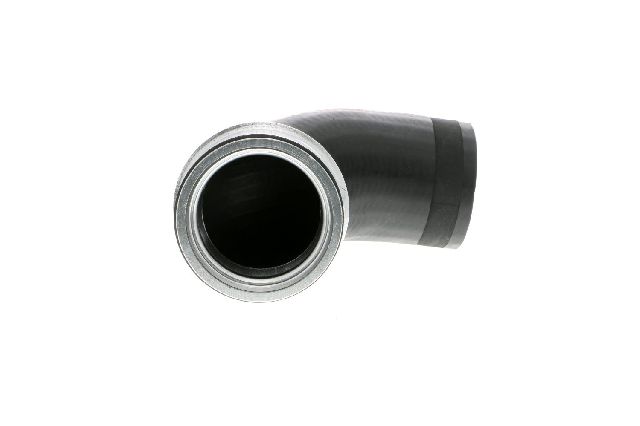
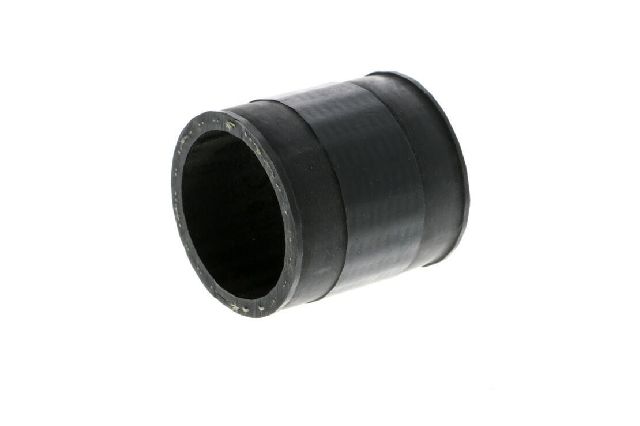
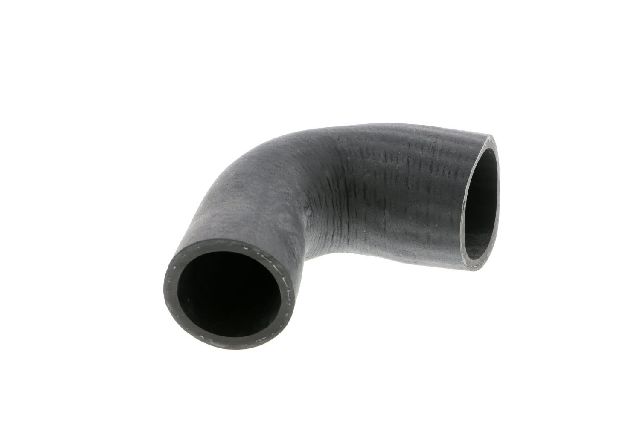
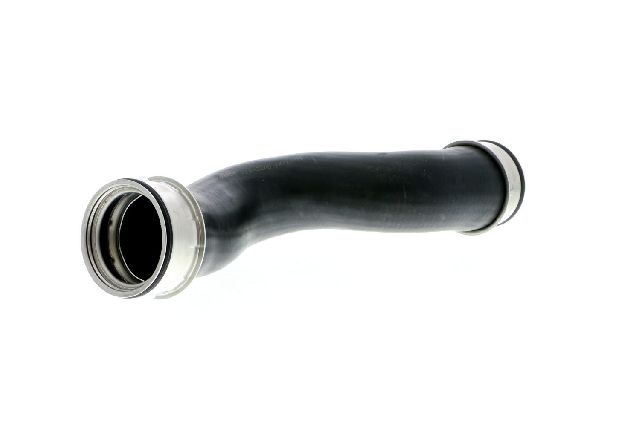
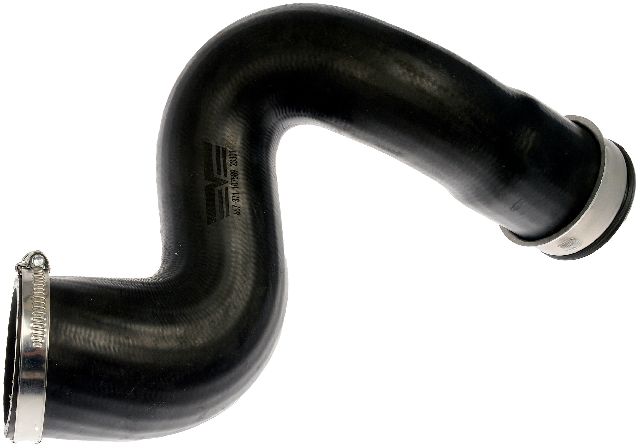
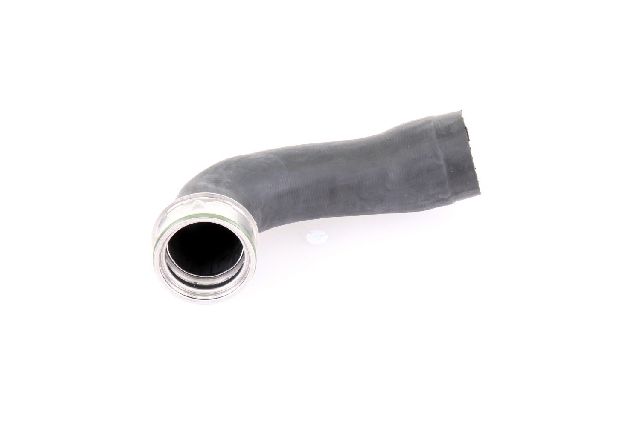
The 1995-2006 Passat had several turbocharged engines (1.8T, TDI) and numerous hose configurations. There is no single "intercooler hose." They come in upper, lower, driver, and passenger side positions. Always verify the exact hose you need for your specific engine and year, as they are not interchangeable. Check the part number on the old hose if possible.
Choosing the Right Aftermarket Intercooler Hose
When replacing a failed hose, you have several levels of quality to choose from. OEM hoses can be expensive, and their clip design is a known weak point. Aftermarket offers a range of solutions.
Brand Quality Tiers
- Premium Aftermarket (e.g., Vaico): Vaico is a well-regarded supplier for German vehicles, often providing parts that meet or exceed original specifications. This is a solid choice for a durable, OEM-style replacement.
- Standard Aftermarket (e.g., Gates): Gates is a trusted name in belts and hoses. Their products provide reliable, standard-quality replacement that serves as a dependable alternative to the original part.
- Value Aftermarket (e.g., Dorman): Dorman provides a cost-effective solution to get your car back on the road. While it may not have the same longevity as premium options, it meets the basic requirements for fit and function.
Pro Tip: Consider a Silicone Upgrade
For owners seeking maximum durability, especially on modified cars, upgrading to a silicone hose kit is the best long-term solution. Silicone is much more resistant to heat, pressure, and oil degradation than the factory rubber. These kits often replace the failure-prone factory clips with more robust T-bolt clamps, providing a much more secure connection.
Cost of Replacing a Passat Intercooler Hose
| Part Type | Estimated Cost |
|---|---|
| New OEM Hose | $150 - $450 |
| New Aftermarket Hose | $40 - $250 (single hose) |
| Aftermarket Silicone Kit | $200 - $600 (full kit) |
| Shop Labor | $150 - $300 |
Cost estimates are approximate and can vary based on location, specific part, and vehicle condition.
Frequently Asked Questions (FAQ)
Is a little oil inside the intercooler hoses normal?
A very thin film of oil is normal due to the PCV system. However, if you can pour oil out of the hoses or intercooler, it may be a sign of a failing turbocharger or a clogged PCV system that should be addressed. When you replace the hoses, it's a good idea to clean out any pooled oil from the intercooler itself.
Can I just replace the metal clip if my hose popped off?
Sometimes, but it's often a temporary fix. If the hose popped off, it's likely that the plastic or metal locking tabs on the hose end are worn down. A new clip might not be able to get a secure grip, leading to the same problem. Replacing the entire hose is the most reliable repair.
What is a boost leak or smoke test?
This is the most effective way to find a leak. A mechanic will seal the intake system and fill it with low-pressure air or smoke. The smoke will visibly escape from any cracks or loose connections, pinpointing the exact source of the leak, which may not always be the most obvious hose.
Are there any recalls for this issue?
There were no direct recalls for intercooler hoses on the 1995-2006 Passat models. However, a later recall for 2012-2014 TDI models (NHTSA 17V-309) noted that a failed upper boost hose could lead to other system failures, highlighting the importance of this component.
Technical Specifications
OEM Part Numbers: 3B0145834L 3B0145828G 3B0145838A
Fitment of intercooler hoses is specific to the engine type (1.8T or TDI), model year, and hose position (e.g., upper, lower, turbo outlet, throttle body). Hoses are typically made of multi-ply reinforced rubber or silicone and use either spring clips or hose clamps for sealing.
We Have This Part in Stock

The information in this article is provided for general reference and educational purposes only. Vehicle specifications, procedures, and part compatibility can vary by production date, trim level, and region. Always consult your vehicle's factory service manual and verify part numbers before purchasing or performing repairs. Safety-critical components such as airbags, seat belts, and braking systems should be installed by a qualified professional.
- Volkswagen Passat:
- 🛍️ Shop This Part
- Why Intercooler Hoses Fail on the Passat
- Symptoms of a Failing Intercooler Hose
- Common Ordering Mistake: Get the Right Hose
- Choosing the Right Aftermarket Intercooler Hose
- Brand Quality Tiers
- Pro Tip: Consider a Silicone Upgrade
- Cost of Replacing a Passat Intercooler Hose
- Frequently Asked Questions (FAQ)
- 🎟️ Get 5% Off