

A Guide to the Engine Crankshaft Position Sensor for the 1995-2007 Honda Odyssey
Understanding why your Odyssey may be stalling or refusing to start and how to choose the right replacement sensor.
- For maximum reliability, choose an OEM supplier brand like Hitachi or Denso for your Honda Odyssey.
- Avoid budget-tier sensors, as they have a high rate of causing repeat failures and drivability problems in Hondas.
- On V6 models (1999-2007), plan to replace the crankshaft sensor during a timing belt service to save on labor costs.
- A CKP Pattern Relearn procedure with a scan tool is often necessary after replacement to ensure proper engine function.
Why Your Odyssey's Crankshaft Sensor Matters

A failing crankshaft position sensor can be the hidden cause behind some very frustrating engine problems in your 1995-2007 Honda Odyssey. This small but vital part is the master clock for your engine's computer. When it starts to fail, it can leave you stranded. Symptoms often start small, like a rough idle or occasional stalling, but can quickly escalate to your van not starting at all. Recognizing the signs early can save you from a breakdown.
Common Failure Symptoms
- Check Engine Light: The most common first sign, often with codes P0335 or P0336.
- Engine Stalling: The engine may cut out unexpectedly while driving, especially at low speeds or when stopping.
- No-Start Condition: You'll hear the engine crank, but it won't fire up and run.
- Rough Idle & Misfires: The engine may shake, vibrate, or run unevenly.
- Poor Acceleration: Your Odyssey may feel sluggish and lack power.
Choosing the Right Aftermarket Sensor: Not All Are Equal

When it's time to replace the sensor, you'll find many aftermarket brands available. For a critical part like this on a Honda, the brand you choose matters a lot. Forum discussions and mechanic experiences show a strong preference for using either the original part or a brand known for making the original part. Using a low-quality sensor can lead to the same problems returning quickly, or even create new ones.
Pro Tip: For the V6 models (1999-2007), the crankshaft sensor is located behind the timing belt covers. It is highly recommended to replace the crankshaft position sensor whenever you are doing a timing belt service, as much of the labor overlaps. This can save you significant money in the future.
Aftermarket Brand Tiers for Honda Odyssey
- Tier 1 (OEM Suppliers): Hitachi and Denso are original equipment manufacturers for Honda. Choosing one of these brands is the closest you can get to buying a genuine part from the dealer, often at a lower cost. They are widely considered the most reliable choices.
- Tier 2 (Reputable Aftermarket): Brands like Delphi, Standard Ignition (SMP), and Beck Arnley generally offer good quality parts. They are a solid choice if an OEM supplier brand is not available, but be aware that quality can sometimes be inconsistent compared to the original part.
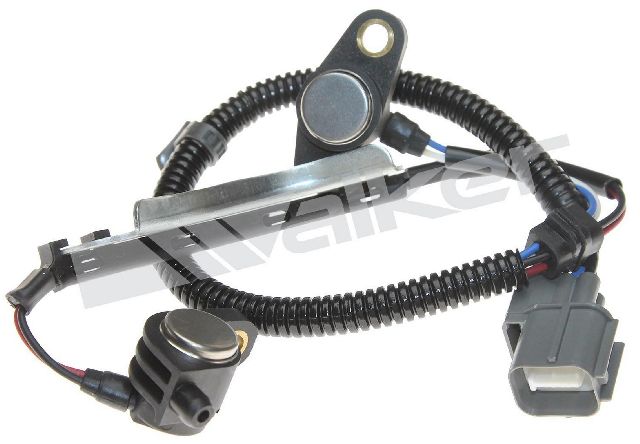
- Tier 3 (Value Brands): This category includes brands like Dorman, Walker Products, and other lower-priced options. While the price is tempting, these sensors have a higher reported failure rate in Honda applications. They might solve the problem temporarily but could fail prematurely, forcing you to do the job all over again.
Cost of Replacing the Crankshaft Position Sensor

The cost can vary significantly based on your Odyssey's year and engine, and who does the work.
| Item | Estimated Cost |
|---|---|
| New OEM Sensor | $110 - $550 |
| New Aftermarket Sensor | $25 - $475 |
| Shop Labor | $182 - $350+ |
| Total Professional Replacement | $293 - $1,094+ |
Note: Costs are estimates and can vary by location and vehicle generation. The wide range for V6 models is due to the labor involved if the timing belt needs to be removed.
Frequently Asked Questions

Where is the crankshaft sensor located on my Odyssey?
The location varies by generation. On 1st Gen (1995-1998) 4-cylinder models, it's typically located on the front of the engine, near the crankshaft pulley and behind the timing belt cover. On 2nd (1999-2004) and 3rd Gen (2005-2007) V6 models, it is also located behind the timing belt covers, near the oil pump housing at the bottom of the engine. Accessing it often requires removing the crankshaft pulley and timing belt covers.
Is a "relearn" procedure needed after replacement?
Yes, for many Honda models, a Crankshaft Position (CKP) Pattern Relearn procedure is recommended after replacing the sensor. This procedure helps the engine's computer synchronize with the new sensor. While the vehicle may run without it, performing the relearn ensures optimal performance and prevents potential drivability issues. A professional scan tool is usually required.
Are there any recalls for this issue?
There are no specific recalls for the crankshaft position sensor itself on the 1995-2007 Odyssey. However, Honda did issue a recall (NHTSA 23V-751) for later model years (including the 2018-2019 Odyssey) related to a manufacturing defect in the crankshaft itself, which could cause bearing failure and symptoms like stalling. This does not directly apply to the 1995-2007 models but highlights the crankshaft's importance.
Why do cheap aftermarket sensors fail so often on Hondas?
Honda engine management systems are very sensitive to the precise signals from sensors like the CKP. Cheaper aftermarket sensors may not have the same quality internal windings or use magnets with the same strength as the original part. This can result in a weak or noisy signal that the Honda's computer can't read correctly, leading to the same symptoms as the part that was just replaced.
Helpful Videos
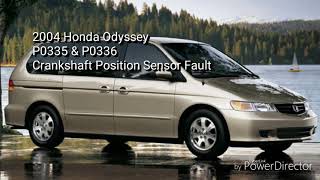
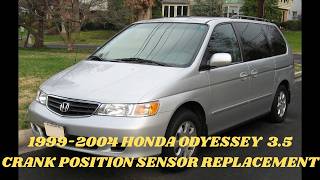
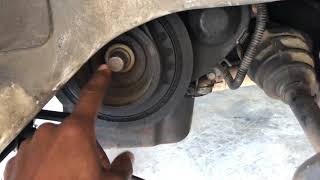
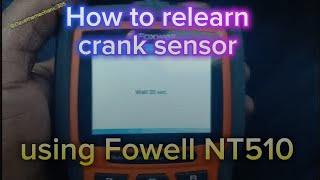
Technical Specifications
OEM Part Numbers: 37840-P0A-A01 37840-PAA-A01 37500-P0A-A01 37501-P8F-A01 37500-RCA-A01
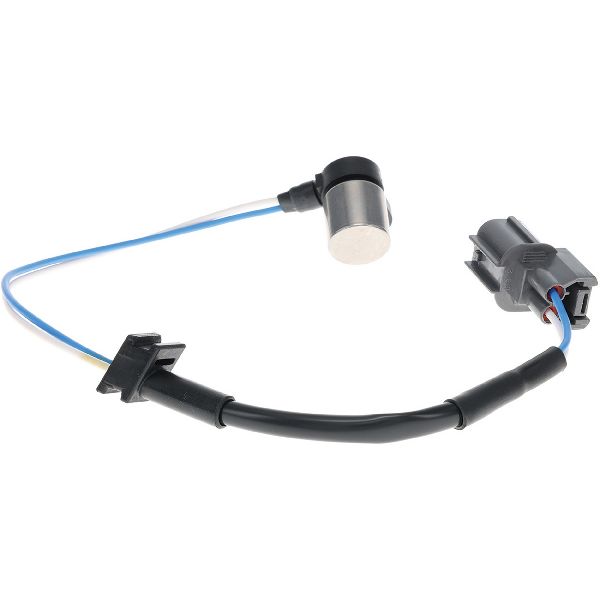
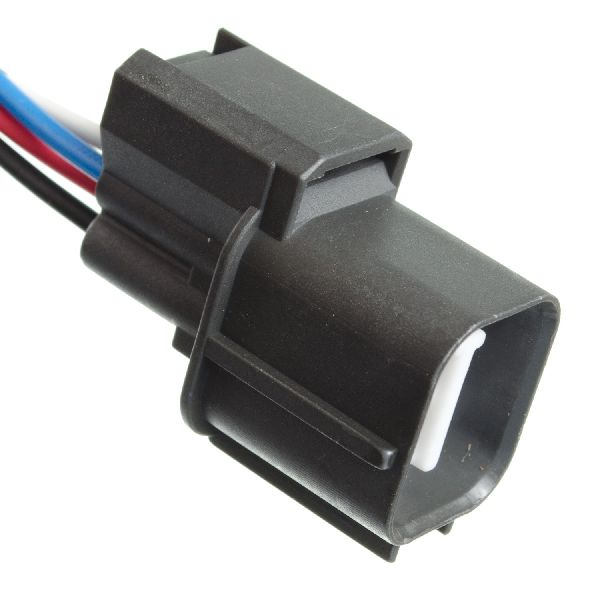
The crankshaft position sensor for the Honda Odyssey is a magnetic or Hall-effect sensor that generates a signal based on the rotation of a toothed reluctor wheel on the crankshaft. The 1995-1998 models use a sensor specific to the 4-cylinder engine. The 1999-2007 models use a different sensor designed for the 3.5L J-series V6 engine. The electrical connector is typically a 2-pin or 3-pin design depending on the specific year and engine.
We Have This Part in Stock


The information in this article is provided for general reference and educational purposes only. Vehicle specifications, procedures, and part compatibility can vary by production date, trim level, and region. Always consult your vehicle's factory service manual and verify part numbers before purchasing or performing repairs. Safety-critical components such as airbags, seat belts, and braking systems should be installed by a qualified professional.
- Honda Odyssey: