

Your 1995-2007 Mazda B3000 Heater Control Valve: A Complete Guide
If you're losing heat or finding coolant puddles, this valve is a likely suspect.
- A coolant leak on the passenger side or a lack of heat are the top signs of failure.
- This is an easy and inexpensive DIY replacement, typically taking less than an hour.
- The Mazda B3000 uses the same part as the Ford Ranger, making parts easy to find.
- Quality aftermarket brands like Four Seasons are a reliable and cost-effective alternative to OEM.
Is Your Heater Control Valve Failing?
The heater control valve on the 1995-2007 Mazda B3000, which is a shared platform with the Ford Ranger, is a common failure point. Due to its plastic construction and constant exposure to hot coolant, it can crack, leak, or the internal diaphragm can fail. Here are the most common symptoms to watch for:
- No Heat or Stuck on Heat: The most obvious sign. If the valve is stuck closed, no hot coolant can reach the heater core, leaving you with cold air. If it's stuck open, you might get heat even when you want A/C.
- Coolant Leaks: You may notice a puddle of coolant under your truck, specifically on the passenger side of the engine bay. The valve itself might be wet or show signs of crusty coolant residue. It's often described as a slow drip that can get worse over time.
- Fluctuating Cabin Temperature: An intermittently failing valve can cause the temperature to swing between hot and cold without you touching the controls.
- Sweet Smell in Cabin or Engine Bay: The smell of burning coolant is a sure sign of a leak somewhere in the system.
Don't Mistake it for a Blend Door Issue
A failed blend door actuator can also cause a loss of temperature control. However, a blend door issue will not cause a coolant leak. If you see coolant, the heater control valve is a prime suspect.
Choosing Your Aftermarket Replacement
Since the Mazda B3000 is a rebadged Ford Ranger, parts are widely available and affordable. For this specific valve, you have several good options.
Brand Quality Tiers
- Motorcraft (OEM): As Ford's official parts brand, Motorcraft is the original equipment manufacturer. Choosing Motorcraft (part numbers like F87Z-18495-AA) guarantees a perfect fit and original quality. While often the most expensive option, it provides a baseline for performance.
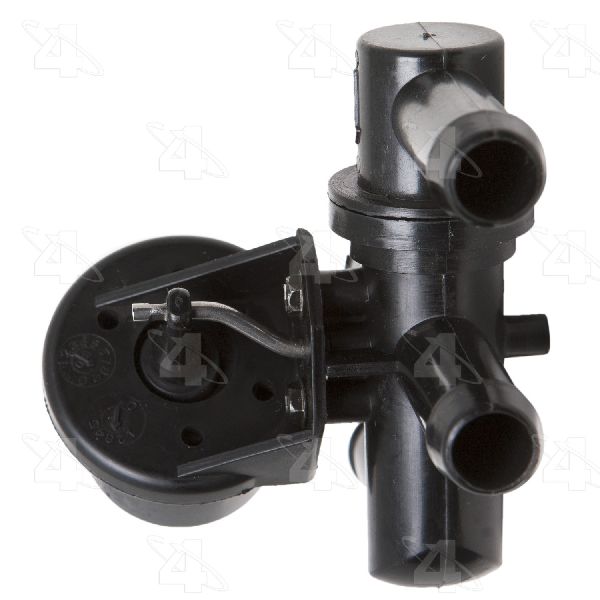
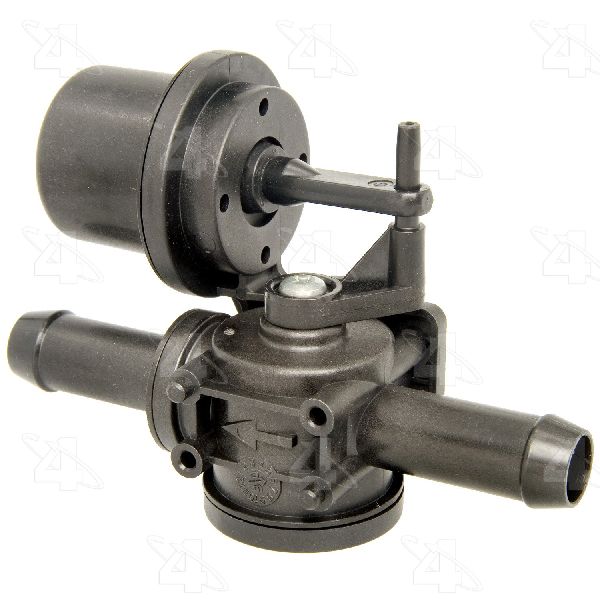
- Four Seasons: A very popular and reputable aftermarket brand for HVAC components. Many owners and repair videos show successful installations using Four Seasons valves (like part number 74809). They are known to be a reliable, budget-friendly alternative to OEM.
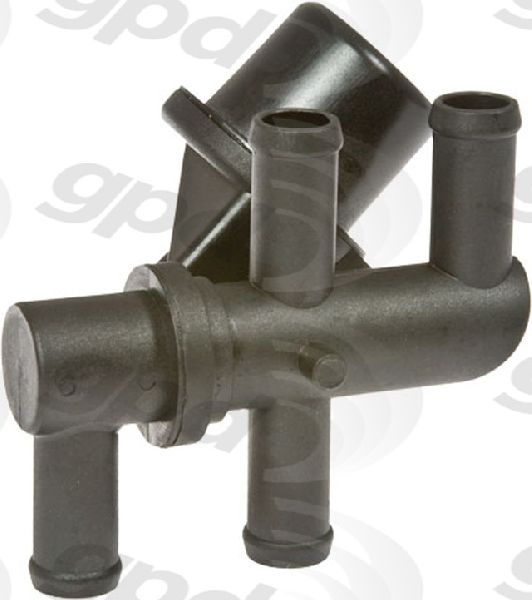
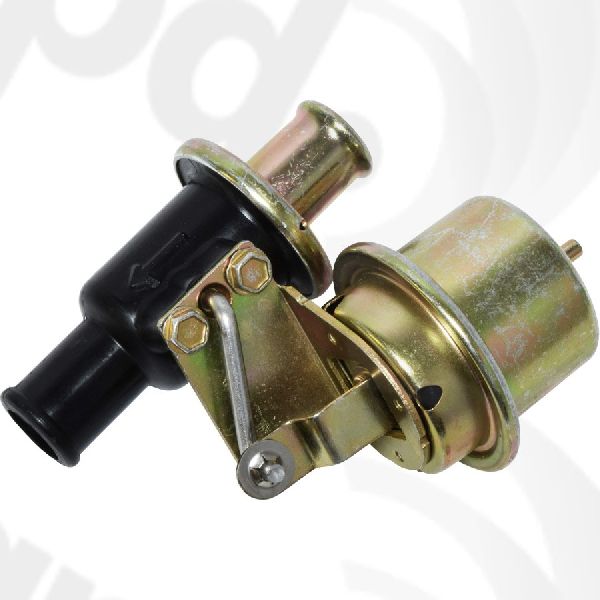
- Global Parts (GPD): Another aftermarket supplier that offers direct-fit replacement valves. They focus on meeting or exceeding original specifications and are a solid choice if available.
Pro Tip: Many owners on forums report that aftermarket valves from brands like Four Seasons work well and last for years. Given the simplicity of the part and the age of the vehicle, a quality aftermarket valve is often the most practical and cost-effective choice. Some owners even choose to delete the valve entirely, though this can affect temperature regulation.
Cost of Replacement Parts
Here is a general breakdown of what you can expect to pay for the part and professional installation.
| Part Type | Cost Range |
|---|---|
| New Aftermarket (Four Seasons, GPD) | $20.89 - $50.04 |
| New OEM (Motorcraft) | $28 - $57 |
| Shop Labor | $100 - $150 |
Frequently Asked Questions (FAQ)
Is this a difficult part to replace myself?
No, this is a great DIY job for beginners. It's located in the engine bay on the passenger side and is easy to access. The job involves removing four spring clamps, swapping the hoses to the new valve, and reconnecting a single vacuum line. You'll need a pair of pliers and will lose a small amount of coolant. The entire process should take less than an hour.
Do I need to drain all my coolant to replace it?
You don't need to drain the entire system. However, you will lose some coolant from the hoses connected to the valve. It's a good idea to have some fresh, compatible coolant on hand to top off the system after you're done. Some people pinch the hoses to minimize loss, but be careful not to damage old rubber.
What is the small vacuum line for?
The small grey vacuum line attached to the valve is what actuates it. It receives a vacuum signal when you select MAX A/C or OFF on your climate controls, which closes the valve to stop hot coolant flow. Make sure to disconnect it from the old valve and reconnect it securely to the new one.
Are there any recalls or TSBs for this part?
There are no specific recalls or Technical Service Bulletins (TSBs) from Mazda or the NHTSA for the heater control valve on the 1995-2007 B3000. However, there are TSBs for newer Mazda models related to other HVAC components like blend door links, which cause similar symptoms of no temperature change but are unrelated to this valve.
I replaced the valve but still have no heat. What now?
If a new valve doesn't solve your heating problem, you could have air trapped in the system, a clogged heater core, a bad thermostat, or a faulty blend door actuator. Feel both heater hoses going to the firewall after the engine is warm. If both are hot, the problem is likely inside the dash (blend door). If one is hot and the other is cold, you may have a clogged heater core that needs to be flushed.
Technical Specifications
OEM Part Numbers: F87Z-18495-AA F5TZ-18495-A XL2Z-18495-BA 1L5Z-18495-AA
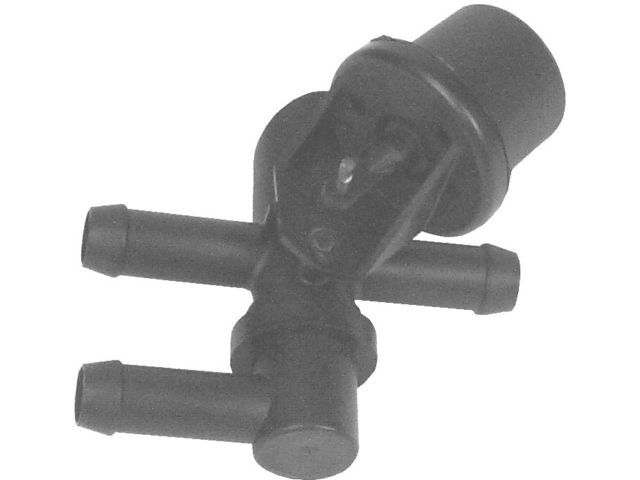
4-port, vacuum-actuated bypass valve.
We Have This Part in Stock


The information in this article is provided for general reference and educational purposes only. Vehicle specifications, procedures, and part compatibility can vary by production date, trim level, and region. Always consult your vehicle's factory service manual and verify part numbers before purchasing or performing repairs. Safety-critical components such as airbags, seat belts, and braking systems should be installed by a qualified professional.
- Mazda B3000: