

Volkswagen Jetta Intercooler Hose Replacement Guide (1995-2007)
If your turbocharged Jetta is losing power, making hissing noises, or smoking, a failed intercooler hose is a likely cause.
- A sudden loss of power accompanied by a hissing sound and black smoke is a classic sign of a failed intercooler hose on a turbo Jetta.
- Check for the P0299 underboost code, which strongly points to a leak in the charge air system.
- An oily film on the outside of a hose is a tell-tale sign of a leak, as escaping air carries oil mist with it.
- Quality aftermarket brands like Gates offer a reliable and cost-effective alternative to expensive OEM hoses.
Is Your Jetta Feeling Sluggish?
A failed intercooler hose is a common issue on 1995-2007 VW Jetta models with turbo engines, especially the TDI and 1.8T. These hoses handle significant heat and pressure and can crack, split, or pop off over time. When a hose fails, it creates a "boost leak," causing a sudden and noticeable drop in engine performance. This guide will help you diagnose the problem and choose the right replacement part.
Symptoms of a Failing Intercooler Hose
A bad intercooler hose will usually make itself known in several ways:
- Significant Loss of Power: The car will feel sluggish and slow to accelerate because the pressurized air meant for the engine is escaping. This can sometimes trigger the car's 'limp mode'.
- Hissing or Whooshing Sounds: You may hear a loud hissing or whistling noise 🎬 Watch: How to perform a turbo boost leak test from the engine bay when you accelerate. This is the sound of high-pressure air escaping from the leak.
- Black Smoke from the Exhaust: With less air reaching the engine, the air-fuel mixture becomes too rich (too much fuel). This unburnt fuel exits the tailpipe as black smoke.
- Check Engine Light: A major boost leak will often trigger a Check Engine Light with the code P0299 - Turbocharger/Supercharger Underboost Condition.
- Oily Residue: It is normal for the inside of the hoses to have a light oil film from the crankcase ventilation system. However, if you see oily grime or wet spots on the outside of a hose, it's a clear sign that air and oil mist are leaking out.
Don't Ignore a Boost Leak
Continuing to drive with a significant boost leak forces your turbocharger to work harder and spin faster to try and make up for the lost pressure. This can cause the turbo to overheat and lead to premature failure, which is a much more expensive repair than replacing a hose.
Choosing the Right Aftermarket Hose
You don't need to buy an expensive OEM hose from the dealer. High-quality aftermarket brands offer excellent performance and durability, often at a better price. Here’s how they compare:
Tier 1: Premium Aftermarket (e.g., Gates)
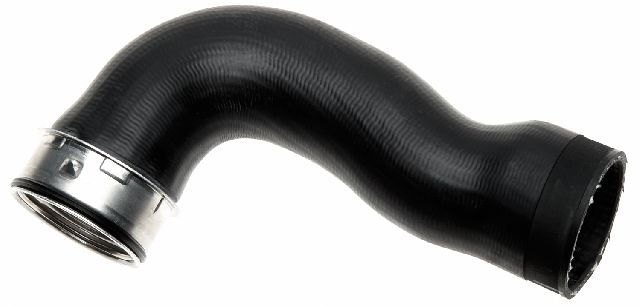
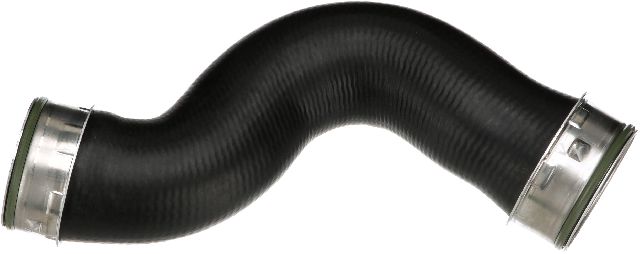
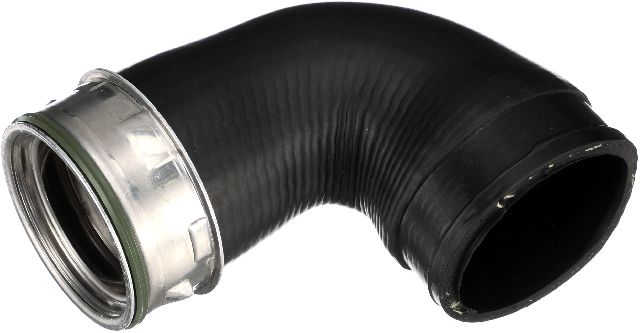
Brands like Gates specialize in rubber products and are known for quality. Their intercooler hoses are designed to meet or exceed original equipment (OE) standards. They often use materials like a Fluorelastomer liner, which is specially formulated to resist oil and high temperatures, providing excellent longevity. For a reliable, long-term repair, a premium aftermarket hose is a top choice.
Tier 2: Standard Aftermarket (e.g., Vaico)
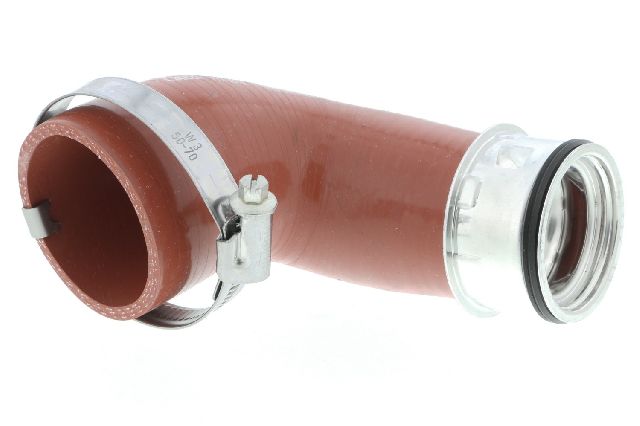
Brands like Vaico provide OE-equivalent parts that offer a direct fit and reliable function for daily driving. These are a solid, budget-friendly option for getting your Jetta back on the road. They are a good choice if you need a functional replacement without the premium features or cost of a top-tier brand.
Pro Tip: Consider Silicone
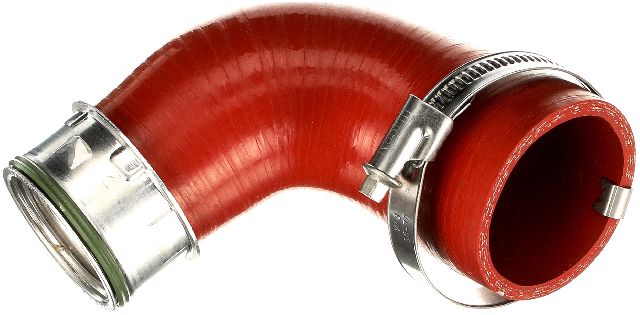
For modified vehicles or for owners seeking maximum durability, silicone intercooler hoses are a popular upgrade. They offer superior resistance to heat, pressure, and oil compared to the stock rubber hoses. While more expensive, they are less likely to split or degrade over time.
Cost of Replacing a Jetta Intercooler Hose
| Part Type | Estimated Cost |
|---|---|
| New OEM | $100 - $250+ (per hose) |
| New Aftermarket (Your Price) | $26.06 - $191.91 |
| Shop Labor | $120 - $360 |
Cost estimates are for a single hose and may vary based on location and specific vehicle configuration.
Frequently Asked Questions
Why is there oil on my intercooler hose?
A small amount of oil vapor is normal inside the intake system due to the engine's crankcase ventilation (CCV). When a hose leaks, this oil mist escapes with the air, leaving an oily residue on the outside of the hose. A lot of oil inside the hoses could indicate other issues, like failing turbo seals, but a greasy film on the outside almost always points to a boost leak.
Can I just patch or tape a leaking hose?
No. The intercooler system operates under significant pressure. Tape or patches will not hold and will blow off almost immediately. The only correct repair is to replace the damaged hose.
What does the P0299 code mean?
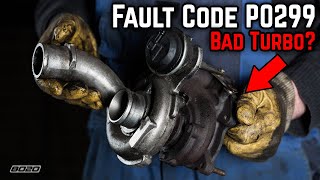
P0299 is a generic OBD-II trouble code that means "Turbocharger/Supercharger Underboost Condition." 🎬 See common causes and fixes for the P0299 code Essentially, the engine's computer detects that the turbo is not producing the amount of pressure it's supposed to. While other issues can cause this code, a leak in an intercooler hose is one of the most common culprits.
Do I need special tools to replace an intercooler hose?
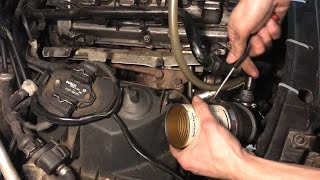
For most intercooler hose replacements, you will only need basic hand tools like a socket set, screwdrivers, and pliers for hose clamps. Some hoses are harder to get to and may require removing the battery, battery tray, or front splash shields to gain access.
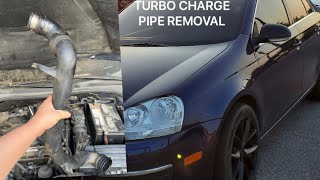
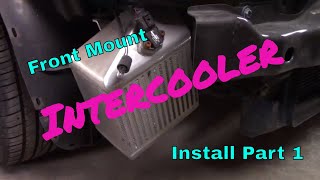
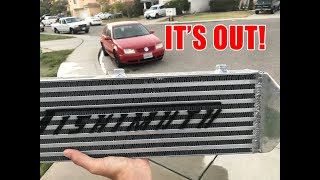
🎬 Watch: How to remove a Jetta TDI intercooler pipeHelpful Videos

Technical Specifications
OEM Part Numbers: 1J0145838B 1J0145838T 1K0145838N 1K0145832R 1J0145834A
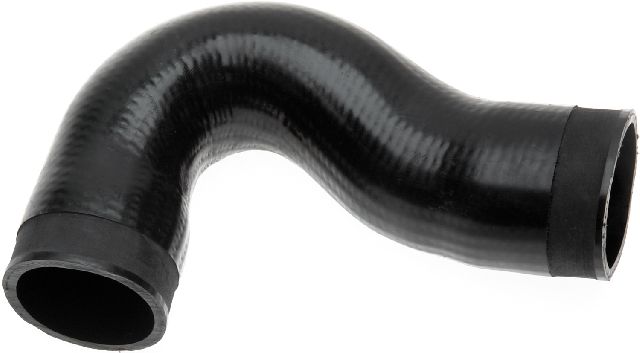
Fits turbocharged 1.9L TDI and 1.8T gasoline engines for Volkswagen Jetta models from 1995-2007. Hoses are specific to their location (hot side vs. cold side, upper vs. lower) and engine code, so verifying the correct part number is crucial.
We Have This Part in Stock

The information in this article is provided for general reference and educational purposes only. Vehicle specifications, procedures, and part compatibility can vary by production date, trim level, and region. Always consult your vehicle's factory service manual and verify part numbers before purchasing or performing repairs. Safety-critical components such as airbags, seat belts, and braking systems should be installed by a qualified professional.
- Volkswagen Jetta:
- 🎬 Helpful Videos
- 🛍️ Shop This Part
- Is Your Jetta Feeling Sluggish?
- Symptoms of a Failing Intercooler Hose
- Don't Ignore a Boost Leak
- Choosing the Right Aftermarket Hose
- Tier 1: Premium Aftermarket (e.g., Gates)
- Tier 2: Standard Aftermarket (e.g., Vaico)
- Pro Tip: Consider Silicone
- Cost of Replacing a Jetta Intercooler Hose
- Frequently Asked Questions
- 🎟️ Get 5% Off