

Accessory Drive Belt Guide for 1995-2008 GMC W3500 Forward Trucks
Keep your commercial truck running by knowing when to replace your accessory drive belt and which aftermarket brand to trust.
- You MUST verify your engine (e.g., 6.0L Gas, 5.2L Diesel) before ordering; belts are not interchangeable.
- Squealing is the most common warning sign. Do not ignore it, as a broken belt will disable your truck.
- For a commercial truck, a heavy-duty belt from a brand like Gates or Continental is a worthwhile upgrade for durability.
- If your truck has over 100,000 miles, replace the belt tensioner and idler pulleys at the same time as the belt to prevent future issues.
Is It Time for a New Accessory Drive Belt?
The accessory drive belt on your 1995-2008 GMC W3500 Forward is a critical wear item. Since this truck is a rebadged Isuzu NPR, it's built for hard work, but that work takes a toll on parts like the belt. There is no exact replacement schedule, but a good rule is to inspect the belt at every oil change and plan to replace it every 60,000 to 90,000 miles, or sooner if you see signs of wear. A sudden failure can put your truck out of service, so proactive replacement is smart business.
Critical First Step: Identify Your Engine
The most common mistake when ordering this part is getting the wrong belt for your engine. The 1995-2008 W3500 Forward was available with different engines, most commonly a GM 6.0L V8 gas engine or an Isuzu 5.2L diesel. These engines use different belts. Some early models may also use a multiple V-belt system instead of a single serpentine belt. Always confirm your engine type before purchasing a new belt.
Common Symptoms of a Failing Drive Belt
A worn belt will almost always give you a warning sign before it fails completely. Ignoring these signs can lead to a breakdown and costly downtime.
- Squealing or Chirping Noises: A high-pitched squeal, especially when starting the engine on a damp day, is the most common sign of a slipping or worn belt. A rhythmic chirping noise, especially on 6.0L gas engines, can point to a pulley misalignment issue, which is a known problem.
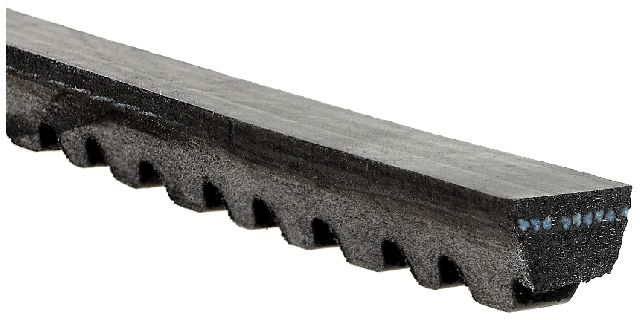
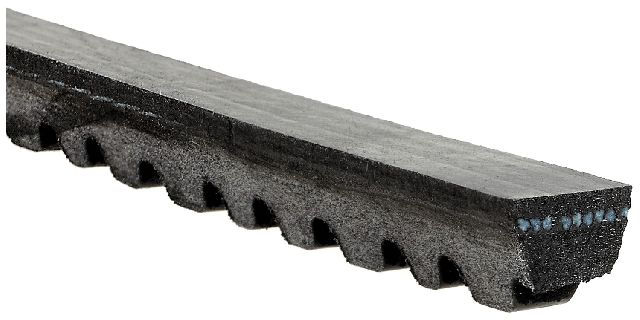
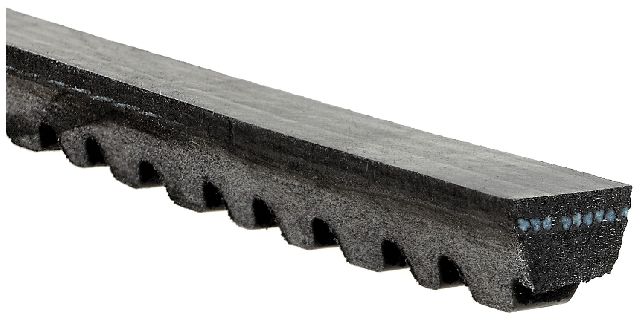
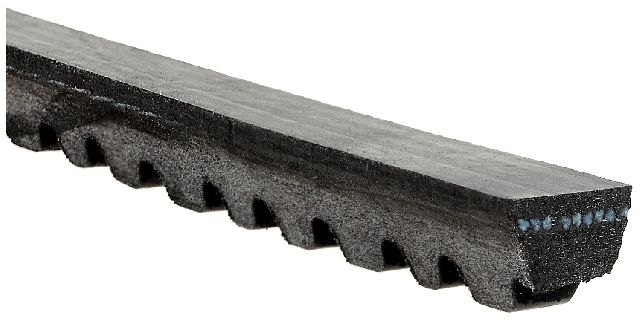
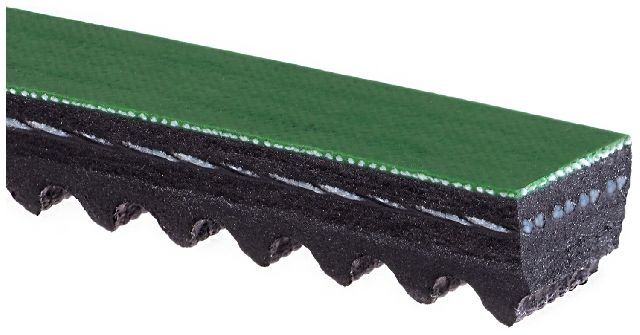
- Visible Wear and Tear: Tilt the cab and look at the belt. If you see cracks, frayed edges, missing rubber ribs, or a shiny, glazed surface, it's time for a replacement.
- Accessory Problems: If your battery light comes on, the power steering feels heavy, or the A/C stops blowing cold, the belt might be slipping and unable to properly power those components.
- Engine Overheating: The belt drives the water pump. If it breaks or slips badly, the engine will overheat very quickly, which can cause catastrophic engine damage.
Choosing the Right Aftermarket Belt: Brand Tiers
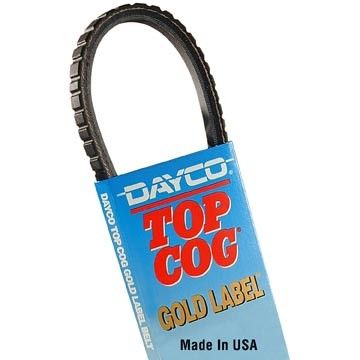
For a commercial truck, investing in a quality aftermarket belt is a smart choice. Reputable brands often meet or exceed OEM quality for a better price. Gates, Continental, and Dayco are all trusted manufacturers.
| Brand Tier | Brands | Quality & Notes for W3500 Forward |
|---|---|---|
| Premium HD | Gates (FleetRunner), Continental | Often considered the top choice for commercial applications. Heavy-duty (HD) lines like the Gates FleetRunner are specifically designed for the high temperatures and long idle times common with work trucks. Highly recommended for the W3500/NPR platform. |
| Standard / OEM-Equivalent | Dayco, Standard Gates/Continental | These are reliable, quality belts that provide good performance. While generally solid, some users in forums report longer life from Gates and Continental's premium offerings compared to Dayco. Still a good choice for less demanding use. |
Pro Tip: Replace the Tensioner and Idler Pulleys
If your truck has over 100,000 miles, it is highly recommended to replace the belt tensioner and any idler pulleys at the same time as the belt. The bearings in these parts wear out, and a failing tensioner is a primary cause of belt noise and premature failure. This is a smart preventive repair that ensures the entire system is reliable.
Known Issues: TSB for 6.0L Gas Engine Belt Noise
Isuzu issued a Technical Service Bulletin (TSB) for belt noise on models with the 6.0L gas engine, which includes some GMC W3500 Forward trucks. The TSB clarifies that a rhythmic 'chirp' is often caused by pulley misalignment, while a 'squeal' is caused by lack of tension. If you have a persistent chirping noise, simply replacing the belt may not fix it. The pulley alignment should be checked by a mechanic.
Frequently Asked Questions (FAQ)
Are there any recalls for the accessory drive belt?
No. A search of the National Highway Traffic Safety Administration (NHTSA) database did not find any recalls specifically for the accessory drive belt on the 1995-2008 GMC W3500 Forward or its Isuzu NPR counterpart.
Is the A/C belt the same as the main accessory belt?
It depends on your specific model and engine. Many W3500/NPR trucks use a single serpentine belt for all accessories. However, some configurations, particularly with certain diesel engines, may use a second, smaller V-belt just for the air conditioning compressor. Always check your truck's belt routing diagram, which is usually on a sticker under the hood or in the cab.
Can I use a belt dressing spray to fix a squealing noise?
No. Belt dressing is only a temporary fix that masks the real problem, which could be a worn belt, a bad tensioner, or misaligned pulleys. These sprays can contaminate the belt and pulleys, potentially causing more issues.
Should I buy an OEM or Aftermarket belt?
For a wear item like a belt, a high-quality aftermarket part is an excellent, cost-effective choice. Brands like Gates and Continental are trusted by professional mechanics and often supply the original parts to vehicle manufacturers. For a work truck, a heavy-duty aftermarket belt can offer superior durability.
Technical Specifications
Belt length, rib count, and material (EPDM) are engine-specific. Some earlier models use multiple V-belts instead of a single serpentine belt. Some configurations use a separate belt for the A/C compressor.
We Have This Part in Stock

The information in this article is provided for general reference and educational purposes only. Vehicle specifications, procedures, and part compatibility can vary by production date, trim level, and region. Always consult your vehicle's factory service manual and verify part numbers before purchasing or performing repairs. Safety-critical components such as airbags, seat belts, and braking systems should be installed by a qualified professional.
- GMC W3500 Forward:
- 🛍️ Shop This Part
- Is It Time for a New Accessory Drive Belt?
- Critical First Step: Identify Your Engine
- Common Symptoms of a Failing Drive Belt
- Choosing the Right Aftermarket Belt: Brand Tiers
- Pro Tip: Replace the Tensioner and Idler Pulleys
- Known Issues: TSB for 6.0L Gas Engine Belt Noise
- Frequently Asked Questions (FAQ)
- 🎟️ Get 5% Off