

Nissan Maxima Engine Coolant Temperature Sensor Guide (1995-2009)
Solve common running issues by understanding how to choose the right coolant sensor for your Maxima.
- Verify if your Maxima has one or two coolant sensors; the two-wire sensor is the one that affects engine performance.
- A bad ECT sensor can cause a wide range of issues, from bad gas mileage to serious engine overheating.
- This is a simple, low-cost DIY repair that can save you a significant amount in labor costs.
- For best results, choose a reputable aftermarket brand like Bosch, Delphi, or NGK, as sensor accuracy is crucial.
Is Your Maxima Running Rough? It Could Be the Coolant Sensor
If your 1995-2009 Nissan Maxima is experiencing issues like poor fuel mileage, black exhaust smoke, hard starting, or overheating, a faulty Engine Coolant Temperature (ECT) sensor is a likely culprit. This small, inexpensive sensor plays a huge role in how your engine behaves. When it fails, it sends incorrect information to the engine's main computer, leading to a variety of performance problems. Replacing it is a simple, cost-effective repair that can restore your car's performance and efficiency.
Symptoms of a Failing ECT Sensor
- Check Engine Light: The most common sign is a Check Engine Light with codes like P0115, P0117, or P0118.
- Poor Fuel Economy: The computer may think the engine is always cold, causing it to inject too much fuel.
- Black Smoke from Exhaust: This is a sign of a rich fuel mixture, where there's too much gasoline and not enough air.
- Hard Starting: The engine may be difficult to start, especially when it's already warm.
- Cooling Fan Issues: Fans might run all the time, even when the engine is cold, or they might not turn on when the engine is overheating.
- Engine Overheating: If the sensor fails to tell the computer the engine is hot, the cooling fans won't activate when needed.
Critical: One Sensor for the Computer, Another for the Gauge
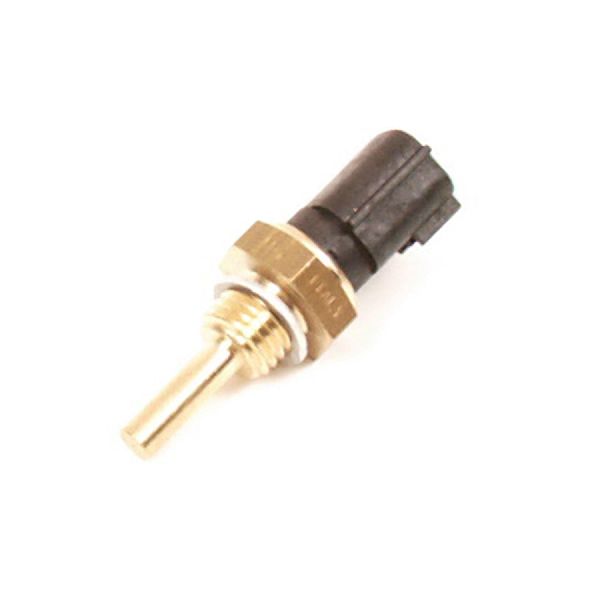
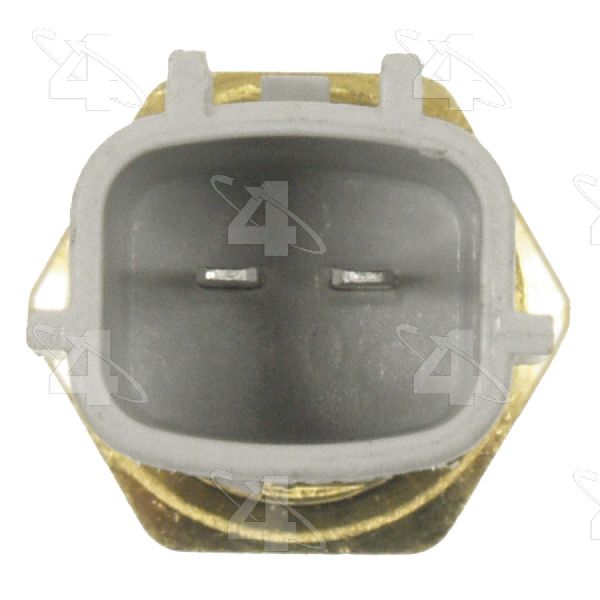
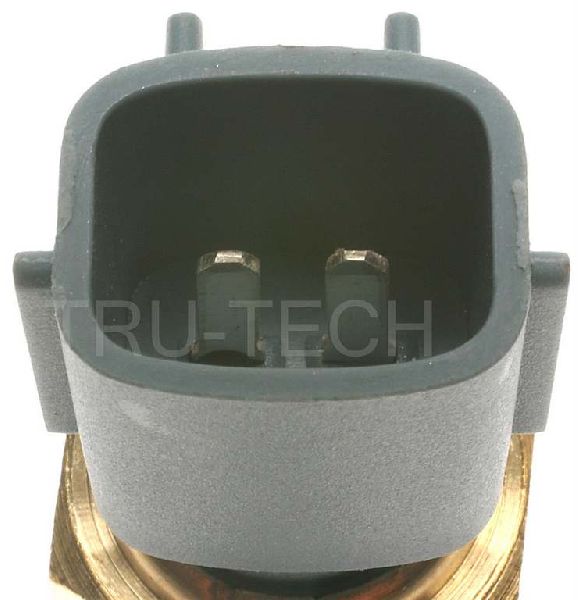
Many Maximas from 1995-2003 have two separate coolant temperature units located next to each other. The Engine Coolant Temperature Sensor (ECTS) has a two-wire connector and reports to the engine computer; this is the part that causes the running issues described above. The other unit, the Temperature Sender, has a one-wire connector and only controls the needle on your dashboard's temperature gauge. Make sure you are replacing the correct two-wire sensor to fix performance problems.
Choosing the Right Aftermarket Part
While an OEM sensor from Nissan is always a safe bet, high-quality aftermarket parts can offer excellent performance for a lower price. For a critical component like the ECT sensor, it's best to avoid the cheapest, unbranded options, which can be unreliable. Here’s how the available brands generally stack up:
- Top-Tier Aftermarket (OEM Quality): Brands like Bosch, Delphi, and NGK/NTK are often original equipment suppliers to many automakers. They are known for their reliability and are a solid choice for your Maxima. Beck Arnley is also a trusted brand that often sources parts from the original manufacturers.
- Reliable Mid-Range: Brands such as Standard Ignition (SMP), Walker Products, and Four Seasons have a long history of producing dependable aftermarket parts. They offer a good balance of quality and price.
- Budget-Friendly: Economy brands like Skyward or True Tech can be a viable option if the budget is tight, but their long-term reliability can be inconsistent. Given the low cost of even top-tier brands for this part, investing a few extra dollars for a better sensor is a wise choice.
Typical Replacement Costs
The cost to replace the ECT sensor is very reasonable, especially if you do it yourself. The part itself is not expensive, and the job is simple.
| Part/Service | Estimated Cost |
|---|---|
| New OEM Nissan Sensor | $20 - $60 |
| New Aftermarket Sensor | $5 - $48 |
| Shop Labor | $75 - $150 |
| Total Professional Replacement | $80 - $210 |
Pro Tip: Replacing this sensor is a great DIY task for beginners. It's easily accessible on most Maxima engines and requires basic hand tools. You can save over $100 in labor by spending 30 minutes on the job yourself.
Frequently Asked Questions
Where is the ECT sensor located on my Maxima?
On 4th (1995-1999) and 5th (2000-2003) generation Maximas, the sensor is typically located on a coolant pipe near where the upper radiator hose connects to the engine. On 6th generation (2004-2009) models, it's also near the top of the engine, often under a plastic engine cover. Remember to look for the sensor with the two-wire electrical connector.
What happens if I don't replace a bad ECT sensor?
Ignoring a bad ECT sensor can lead to long-term problems. Persistently running rich can damage your catalytic converter and foul your spark plugs. More critically, if the sensor fails to report an overheating condition, it can lead to severe engine damage like a blown head gasket.
Can I just clean the ECT sensor?
No, cleaning the sensor is not effective. The ECT sensor is a sealed electronic component called a thermistor. Failure occurs internally, not from external dirt. The only solution is to replace the entire unit.
Do I need to drain all the coolant to replace it?
No, you do not need to drain the entire cooling system. Because the sensor is located high up on the engine, you will only lose a small amount of coolant when you swap it out. Have the new sensor ready to screw in immediately after removing the old one to minimize fluid loss. Always top off the coolant level afterward.
Technical Specifications
OEM Part Numbers: 22630-44B20 22630-71L00 22630-ED000 22630-JA10A
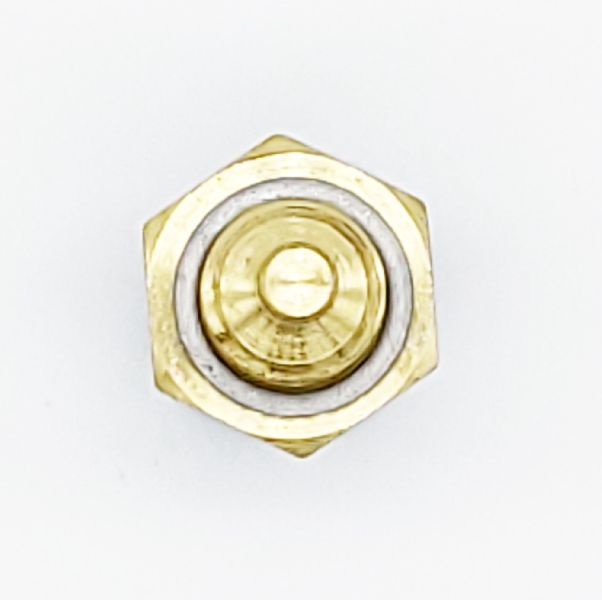
Connector Type: 2-Pin. Thread Size: M12x1.5. Wrench Size: 19mm. Note: Part numbers vary by specific year and model. Always verify fitment before purchasing.
We Have This Part in Stock


The information in this article is provided for general reference and educational purposes only. Vehicle specifications, procedures, and part compatibility can vary by production date, trim level, and region. Always consult your vehicle's factory service manual and verify part numbers before purchasing or performing repairs. Safety-critical components such as airbags, seat belts, and braking systems should be installed by a qualified professional.
- Nissan Maxima: