

Audi S6 A/C System O-Ring and Gasket Kit Guide: 1995-2012
If your Audi S6 is blowing warm air, the small seals in your A/C system could be the problem.
- A weak or non-working A/C is most often caused by a refrigerant leak, with old o-rings being a common failure point on older vehicles.
- This is not a DIY job. Replacing the seals requires a professional A/C service with specialized equipment to handle the refrigerant.
- Always use a complete kit made of green HNBR material, which is compatible with the R134a refrigerant in your S6.
- For maximum reliability, it is strongly recommended to also replace the A/C receiver/drier anytime the system is opened for repair.
Why Your S6 A/C Seals Fail
The seals in your Audi's A/C system live a hard life. They are constantly exposed to high pressure, extreme temperature changes, and vibration from the engine. Over many years, the rubber material, typically a special type called HNBR, breaks down. This causes it to lose flexibility, crack, and eventually fail to hold a seal. The most common reason for an A/C system to stop blowing cold is a loss of refrigerant, and these aging seals are a primary leak point.
Symptoms of a Failing A/C O-Ring
Spotting a leak from an o-ring can be straightforward if you know what to look for. The most obvious sign is that your A/C no longer blows cold or is significantly weaker than it used to be. You might also notice an oily, greasy residue around the A/C line connections in the engine bay; this is the refrigerant oil leaking out along with the refrigerant gas. In some cases, if the leak is large enough, the system's pressure will drop so low that the A/C compressor will not turn on at all to protect itself from damage.
Choosing the Right Aftermarket O-Ring Kit
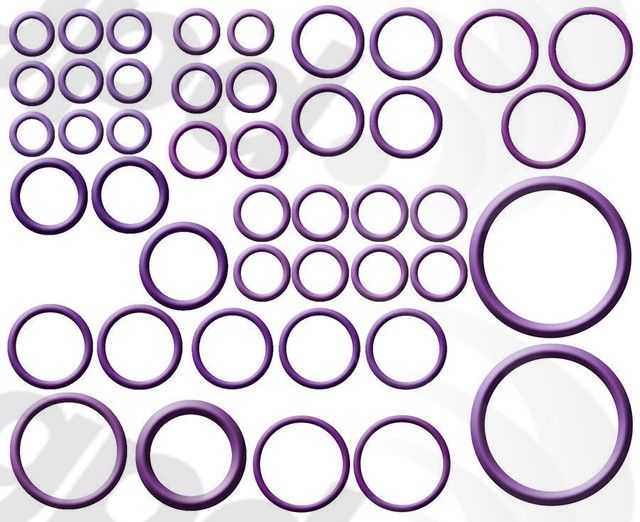
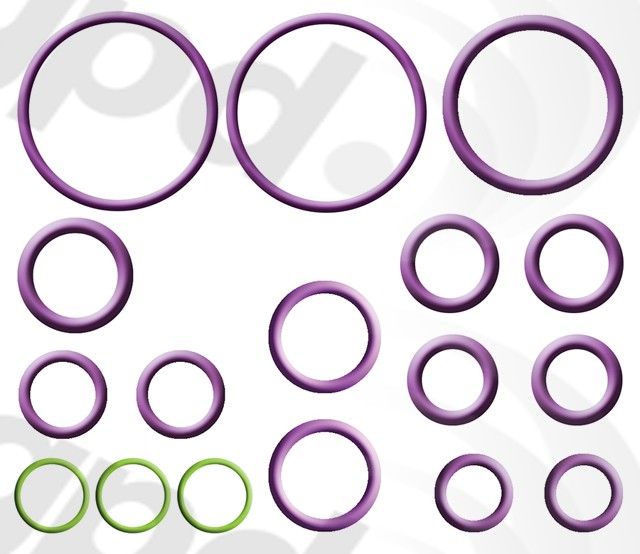
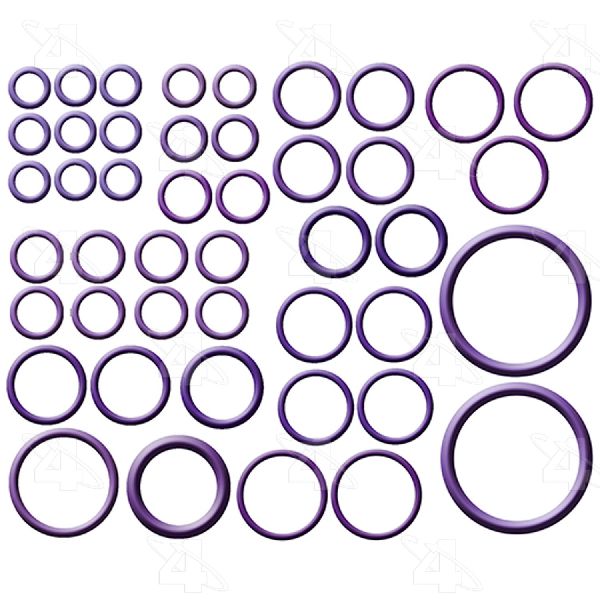
When replacing A/C seals, using a complete kit is the best approach. This ensures you have the correct size and type of seal for every connection you open. For the 1995-2012 Audi S6, all A/C systems use R134a refrigerant, which requires seals made from Hydrogenated Nitrile Butadiene Rubber (HNBR). These are typically green in color to distinguish them from older, incompatible seal materials.
Brand Quality
- Four Seasons: Generally viewed as a reliable aftermarket brand for A/C components. Mechanics and DIYers report good experiences with their kits and parts, making them a solid choice for this repair.
- Global Parts (GPD): Reviews for GPD are more mixed. While some have success, others report issues with part quality and premature failure. Given the high cost of labor for an A/C job, choosing a more consistently reliable brand like Four Seasons may be worth it to avoid having to do the job twice.
- OEM vs. Aftermarket: For a part like an o-ring, OEM is not necessarily better, as long as the aftermarket part is made from the correct HNBR material. However, some mechanics note that OEM seals can sometimes have a slightly more robust or 'beefy' fit. The main advantage of an aftermarket kit is the convenience of getting all seals under one part number for a low price.
Pro Tip: Replace the Receiver/Drier
Anytime the A/C system is opened to the atmosphere, it's highly recommended to also replace the receiver/drier (or accumulator). This component absorbs moisture that can enter the system. A new, dry unit is essential for the long-term health and performance of your A/C system after a repair.
Cost to Replace Audi S6 A/C O-Rings
| Part/Service | Estimated Cost |
|---|---|
| New Aftermarket A/C O-Ring Kit | $18 - $40 |
| Shop Labor (including system evacuation & recharge) | $200 - $400+ |
| Total Estimated Cost | $218 - $440+ |
Frequently Asked Questions
Is replacing A/C o-rings a DIY job?
No, this is not recommended for a home mechanic. While physically swapping the seals is simple, the job requires specialized and expensive equipment to safely recover the old refrigerant, pull a vacuum on the system to remove moisture, and recharge it with the precise amount of new refrigerant and oil. Incorrect refrigerant levels can damage the compressor.
What refrigerant and oil does my 1995-2012 S6 use?
All vehicles in this year range use R134a refrigerant. The system also requires a specific type of lubricant, called PAG oil, to keep the compressor working correctly. Ensure the shop uses the correct type and amount for your vehicle.
Can I just replace the one o-ring that is leaking?
While possible, it's not recommended. If one seal has failed due to age, others are likely not far behind. Since the main cost of the repair is the labor to evacuate and recharge the system, it is much more cost-effective to replace all the accessible seals at once using a complete kit.
Why are A/C o-rings green?
The green color is an industry standard for o-rings made of HNBR. This material is specifically designed to be compatible with R134a refrigerant and its associated oils. Using standard black rubber (NBR) o-rings will result in a quick failure as the refrigerant will break them down.
Technical Specifications
Material: HNBR (Hydrogenated Nitrile Butadiene Rubber) Refrigerant Compatibility: R134a Oil Compatibility: PAG (Polyalkylene Glycol)
We Have This Part in Stock

The information in this article is provided for general reference and educational purposes only. Vehicle specifications, procedures, and part compatibility can vary by production date, trim level, and region. Always consult your vehicle's factory service manual and verify part numbers before purchasing or performing repairs. Safety-critical components such as airbags, seat belts, and braking systems should be installed by a qualified professional.
- Audi S6: