

Mitsubishi Eclipse A/C Expansion Valve: A Comprehensive Guide (1995-2012)
If your Eclipse's A/C is blowing warm, the expansion valve could be the culprit. Here’s what you need to know before you buy a new one.
- A failing expansion valve typically causes warm air, frost, or inconsistent cooling from the A/C vents.
- For a reliable repair, choose a Denso-branded valve; it is often the same as the original factory part.
- Always replace the receiver/drier anytime the A/C system is opened to prevent moisture contamination and future failures.
- Replacement is a complex job best left to professionals, especially on 2006-2012 models where dash removal may be required.
Symptoms of a Failing A/C Expansion Valve in a Mitsubishi Eclipse
When an expansion valve fails, it can cause several noticeable problems with your A/C. The most common issue is a loss of cooling. Here’s what to look for:
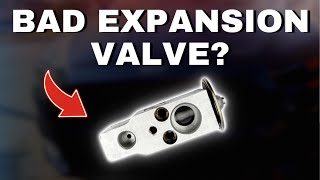
🎬 Watch a detailed breakdown of common expansion valve failure symptoms.- Warm Air from Vents: This is the most common symptom. If the valve is stuck closed, it restricts refrigerant flow, and your A/C will blow warm or barely cool air.
- Frost on A/C Components: If the valve is stuck open, it allows too much refrigerant into the evaporator. This can cause frost or ice to form on the valve itself, the A/C lines, or even come out of the vents.
- Inconsistent Cooling: The air from your vents might alternate between cold and warm as the valve struggles to regulate the refrigerant flow.
- Compressor Issues: A faulty valve can cause the A/C compressor to run constantly or cycle on and off frequently, putting extra strain on the system.
Choosing the Right Aftermarket Expansion Valve
For a vehicle like the 1995-2012 Eclipse, a quality aftermarket expansion valve is a smart choice. The original Mitsubishi part can be expensive and hard to find. Aftermarket brands offer a reliable and affordable alternative. Here’s a breakdown of the available brands:
Brand Quality Tiers
- Tier 1 (OEM Quality): Denso
Denso is a highly respected Japanese manufacturer and is often the original equipment (OE) supplier for Mitsubishi. Choosing a Denso aftermarket part often means you are getting the same quality as the original part that came in your Eclipse, sometimes in a different box. They are known for precision manufacturing and reliability, making them a top choice. - Tier 2 (Standard Replacement): Four Seasons & Global Parts (GPD)
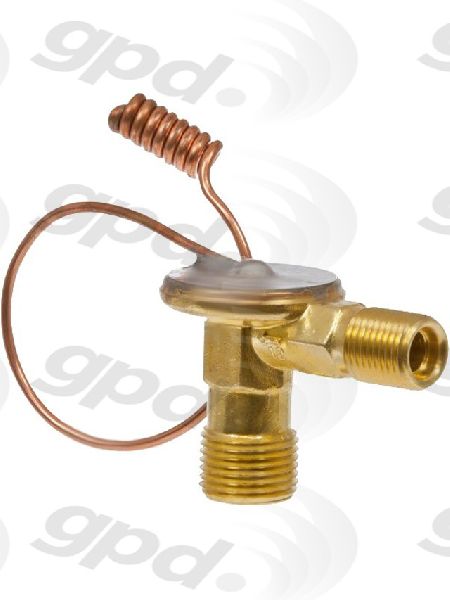
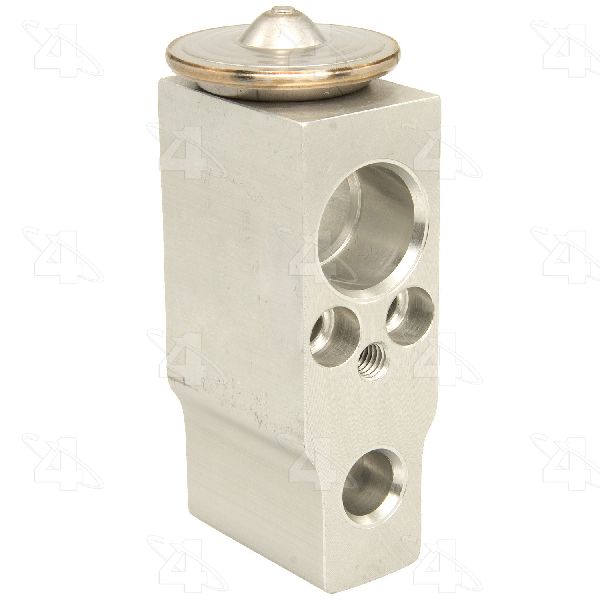
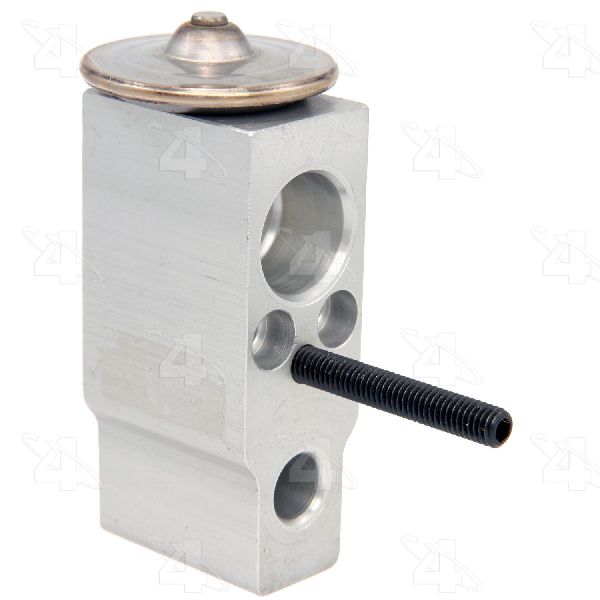
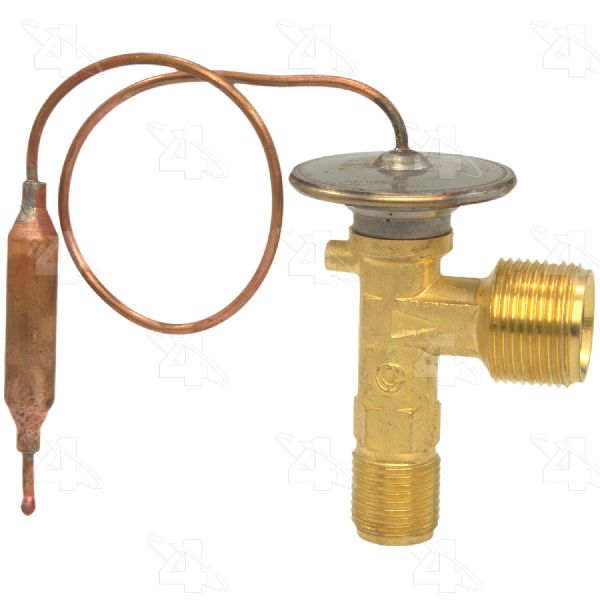
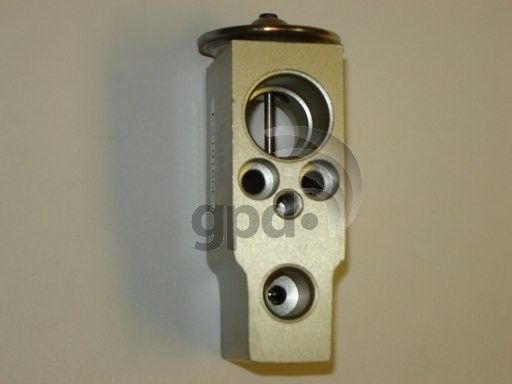
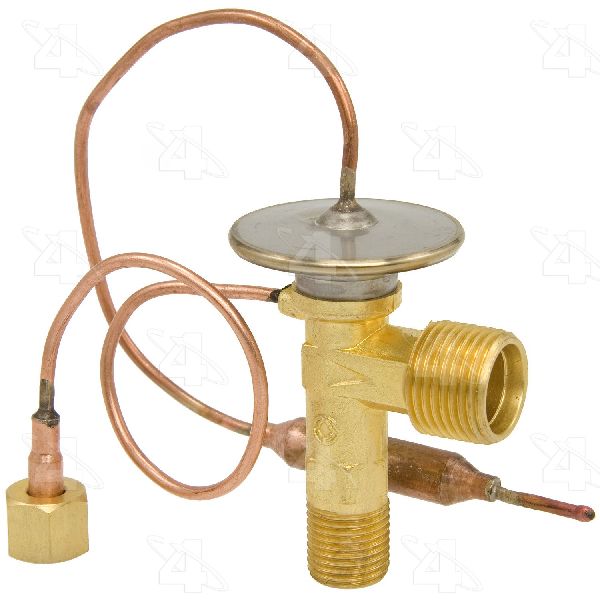
Four Seasons is one of the largest and most common aftermarket A/C parts manufacturers. Their parts are generally considered a solid, budget-friendly option for repairs, though some user reviews are mixed on long-term durability. Global Parts Distributors (GPD) is another brand offering cost-effective replacement options that meet installation needs. For many owners, these brands provide a good balance of price and performance.
Pro Tip: Replace the Receiver/Drier
Whenever you replace the expansion valve or open the A/C system for any repair, you MUST also replace the receiver/drier (or accumulator). The drier contains a desiccant that absorbs moisture, and it's only effective for a short time once exposed to air. Failing to replace it will lead to moisture in the system, causing corrosion and repeat failures.
Cost to Replace a Mitsubishi Eclipse Expansion Valve
The cost can vary significantly based on your vehicle's generation and whether you do the work yourself. The aftermarket part itself is inexpensive, but labor is the main cost driver.
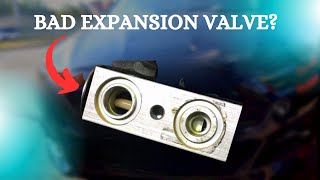
🎬 Learn more about expansion valve symptoms and repair cost estimates.| Item | Estimated Cost |
|---|---|
| New Aftermarket Part | $22 - $49 |
| New OEM Part | $135 - $161 |
| Shop Labor | $170 - $800+ |
| Total Professional Replacement | $300 - $900+ |
Note: Labor costs for 2nd Gen (1995-1999) and 4th Gen (2006-2012) models can be much higher. The 4th Gen Eclipse, in particular, may require the entire dashboard to be removed to access the valve, which is a very labor-intensive job.
Known Issues, Recalls & TSBs
As of early 2026, there are no specific recalls or Technical Service Bulletins (TSBs) from the NHTSA for the A/C expansion valve on the 1995-2012 Mitsubishi Eclipse. Any failure is typically due to age, wear, or contamination in the A/C system.
Frequently Asked Questions (FAQ)
Can I replace the A/C expansion valve myself?
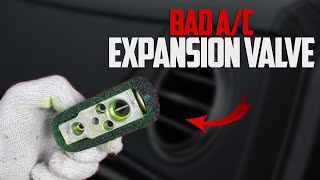
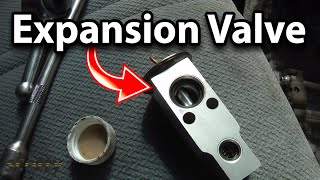
This is an advanced DIY job. While physically swapping the valve might be possible, the process requires specialized equipment to safely recover the old refrigerant and then pull a deep vacuum and recharge the system with the correct amount of R-134a refrigerant and oil. For most owners, this job is best left to a professional A/C shop. 🎬 See how a typical expansion valve replacement is performed. For 4th generation (2006-2012) models, the job is even more difficult as it may require removing the dashboard.
What happens if I don't replace a bad expansion valve?
Your A/C system will not cool properly. A valve stuck open can cause the compressor to run constantly, leading to premature wear and potential failure of the much more expensive compressor. A valve stuck closed will simply result in no cold air.
How do I know it's the expansion valve and not the compressor?
Diagnosing A/C issues can be tricky. A professional will use a manifold gauge set to read the high- and low-side pressures. Abnormal readings, such as very low pressure on the low side and high pressure on the high side, can point to a clogged or stuck-closed expansion valve. Symptoms like frost are also a strong indicator of a valve issue rather than a compressor failure.
Do I need to flush the A/C system when replacing the expansion valve?
It is highly recommended. If your old A/C compressor failed, it likely sent metal debris throughout the system. This debris will clog your new expansion valve and condenser, causing them to fail quickly. Flushing the system removes this contamination and ensures a long-lasting repair.
Helpful Videos
Technical Specifications
OEM Part Numbers: MR500803 MN151139 MR250548
Refrigerant Type: R-134a
We Have This Part in Stock

The information in this article is provided for general reference and educational purposes only. Vehicle specifications, procedures, and part compatibility can vary by production date, trim level, and region. Always consult your vehicle's factory service manual and verify part numbers before purchasing or performing repairs. Safety-critical components such as airbags, seat belts, and braking systems should be installed by a qualified professional.
- Mitsubishi Eclipse: