

Toyota Tacoma Hazard Warning Flasher Guide (1995-2012)
Here is what you need to know about fixing your Tacoma's turn signal and hazard light problems.
- A bad flasher relay can cause turn signals to fail, stay on solid, or blink too fast (hyperflash).
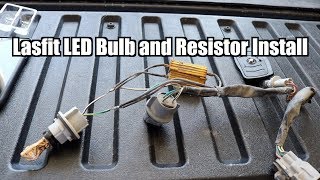
- If you have LED bulbs, you MUST use an electronic flasher relay to prevent hyperflash.
- The relay is located on the back of the fuse box under the driver's dash; it's hard to reach but a DIY-possible job.
- For 2nd Gen (2005-2012) Tacomas with Daytime Running Lights (DRL), you may need a special jumper plug to install an aftermarket flasher.
Is Your Tacoma's Flasher Failing?

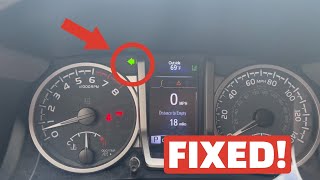
A bad hazard flasher can cause several problems. You might notice that your turn signals don't work on one or both sides, or they light up but don't flash. Sometimes, the hazard lights won't work even if the turn signals do. A very common symptom, especially after installing LED bulbs, is hyperflashing, where the signals blink much faster than normal. In some cases, the problem can be intermittent, working one minute and failing the next.
Check This First!
Before replacing the flasher, always check for simpler issues. Make sure your fuses (often labeled 'HAZ' or 'TURN') are not blown. Also, check for burned-out bulbs, as this can sometimes cause the system to act strangely. On some Tacomas, a faulty hazard switch on the dashboard can also cause the turn signals to stop working entirely.
Choosing the Right Aftermarket Flasher

When shopping for a new flasher relay, you will find OEM and aftermarket options. For this part, aftermarket brands like Standard Ignition offer reliable quality that often meets or exceeds original specifications, providing a good value.
There are two main types of flashers:
- Thermal Flashers: These are the old-style flashers that came in most older vehicles. They rely on the heat generated by standard halogen bulbs to work.
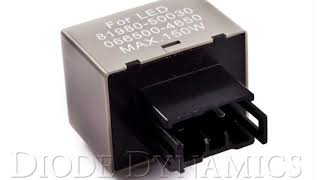
- Electronic Flashers: These are modern, solid-state units. They are a required upgrade if you have installed or plan to install LED turn signal bulbs. An electronic flasher will prevent the 'hyperflash' issue that occurs because LEDs use less power.
Pro Tip: Even if you don't have LED bulbs now, installing an electronic flasher is a good idea. It will work correctly with your current halogen bulbs and will be ready if you decide to upgrade to LEDs later.
Generation-Specific Notes
1st Gen (1995-2004): The flasher relay is a straightforward swap. It is located on the back of the fuse panel under the driver's side dash. A common issue on these trucks is that if the hazard switch on the dash is unplugged or broken, the turn signals will not function.
2nd Gen (2005-2012): These trucks may or may not have Daytime Running Lights (DRL). This is important. If your truck has DRL, the flasher relay is part of a more complex harness. If you are replacing a flasher on a DRL-equipped truck with an aftermarket LED flasher, you may need a separate jumper plug (Toyota part # 82671-30360) to properly bypass the DRL module. Trucks without DRL have a simpler replacement process.
Hazard Flasher Replacement Cost
The cost of the part itself is reasonable. The main cost difference is between OEM and aftermarket parts. Labor for diagnosis and installation can add to the total if you take it to a shop.
| Part or Service | Estimated Cost |
|---|---|
| New OEM Flasher Relay | $65 - $95 |
| New Aftermarket Flasher Relay | $40 - $138 |
| Shop Labor | $50 - $120 |
Frequently Asked Questions (FAQ)

Where is the hazard flasher located on a 1995-2012 Tacoma?
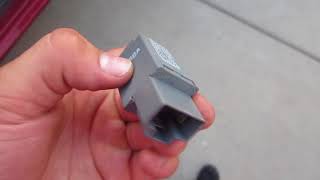
On both 1st and 2nd generation Tacomas, the flasher relay is plugged into the back of the interior fuse box, located under the driver's side dashboard near your left knee. To find it, you can turn on your hazard lights and listen for the clicking sound.
Why are my turn signals blinking really fast?
This is called 'hyperflash'. It happens when the flasher relay thinks a bulb is burned out because it's not sensing enough electrical load. This is almost always caused by installing LED bulbs with a stock thermal flasher. The solution is to replace the stock relay with an electronic, LED-compatible flasher relay.
Can I replace the flasher relay myself?
Yes, this is a job most DIY-ers can handle. However, the location is difficult to access. You will need to remove several lower dash panels and unbolt the fuse box to tilt it and reach the relay on the back. While not complex, it requires patience and working in a tight space.
Are there any recalls for the Tacoma hazard flasher?
No, there have not been any specific recalls or widespread Technical Service Bulletins (TSBs) from Toyota for the hazard warning flasher relay on the 1995-2012 Tacoma.
Helpful Videos
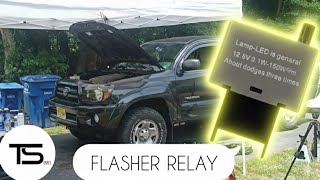
Technical Specifications
OEM Part Numbers: 81980-35020 81980-05060 81980-50030 81980-05040 81980-02010
Typically an 8-pin electronic relay. Pin configuration and compatibility varies based on model year and DRL option.
We Have This Part in Stock


The information in this article is provided for general reference and educational purposes only. Vehicle specifications, procedures, and part compatibility can vary by production date, trim level, and region. Always consult your vehicle's factory service manual and verify part numbers before purchasing or performing repairs. Safety-critical components such as airbags, seat belts, and braking systems should be installed by a qualified professional.
- Toyota Tacoma: