

A Deep Dive into the Oxygen Sensors for the 1996-1998 Suzuki X-90
Everything a Suzuki X-90 owner needs to know about choosing and replacing a failing oxygen sensor.
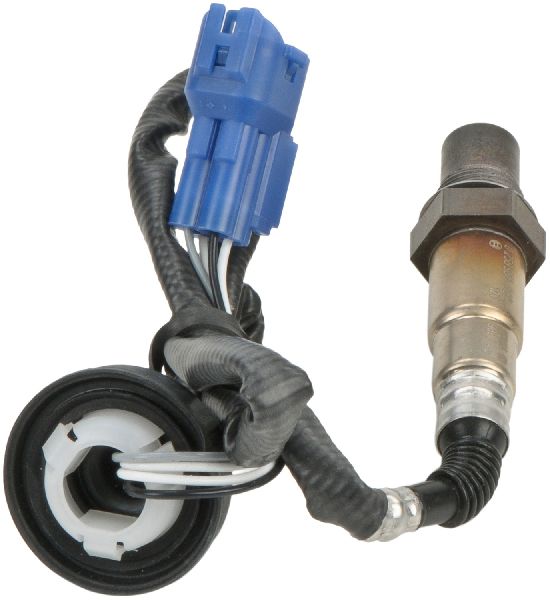
- Your X-90 has two 4-wire heated oxygen sensors: one upstream (for fuel control) and one downstream (for catalyst monitoring).
- For best results and compatibility, choose a direct-fit sensor from an OEM-equivalent brand like Denso or NGK.
- Replacement is a manageable DIY task, but you will need a special oxygen sensor socket to do the job correctly.
- Ignoring a bad O2 sensor can lead to poor fuel economy and expensive damage to your catalytic converter.
Signs of a Failing Oxygen Sensor
A bad oxygen sensor can cause several noticeable problems in your X-90. Because the sensor helps control the engine's fuel mixture, a faulty one can't provide the right information to the computer. This often leads to poor engine performance and higher emissions.
- Check Engine Light: This is the most common sign. A diagnostic trouble code (DTC) like P0133 (Front Oxygen Sensor Slow Response) might be stored in the computer. 🎬 See how to troubleshoot a P0135 oxygen sensor code
- Poor Fuel Economy: If the sensor fails, the engine's computer may default to a rich fuel mixture, causing you to use more gas. A decrease of 10-15% is possible.
- Rough Idle or Engine Hesitation: The engine may run rough, hesitate, or surge when the computer receives incorrect data from the sensor.
- Failed Emissions Test: A failing oxygen sensor is a primary reason for failing a state-mandated emissions inspection.
Don't Ignore a Bad O2 Sensor
While you can drive with a bad oxygen sensor, it's not recommended for long. Continuing to drive with a faulty sensor can lead to premature failure of your catalytic converter, which is a much more expensive repair.
Choosing the Right Aftermarket Oxygen Sensor
For a Japanese vehicle like the Suzuki X-90, sticking with brands known for being Original Equipment (OE) suppliers is often the safest bet. Aftermarket sensors come in different quality tiers.
Tier 1: OEM-Equivalent Brands
Denso & NGK: Denso and NGK are major OEM suppliers for Japanese automakers. Choosing a sensor from one of these brands is the closest you can get to buying the original part from a Suzuki dealer, but at a better price. They are designed to meet the exact specifications for your X-90's 1.6L engine, ensuring proper fit, connector style, and performance. 🎬 Watch: 1.6L oxygen sensor diagnostic and replacement walkthrough Many mechanics and enthusiasts prefer to stick with Denso or NGK for Japanese vehicles to avoid compatibility issues.
Tier 2: Quality Aftermarket Brands
Bosch: Bosch invented the automotive oxygen sensor and is a massive global supplier. Their sensors are high-quality and widely trusted. While some forum users express a preference for using Japanese brands like Denso on Japanese cars, a direct-fit Bosch sensor is still a reliable and excellent choice for your X-90. They offer sensors specifically for the upstream and downstream positions.
Tier 3: Economy Brands
Walker Products & Spectra: These brands provide a budget-friendly alternative. They are designed to function as a replacement part and can resolve a Check Engine Light code. While they may not have the same reputation for longevity or precision as Denso or Bosch, they are a viable option if cost is your primary concern.
Always Use a Direct-Fit Sensor
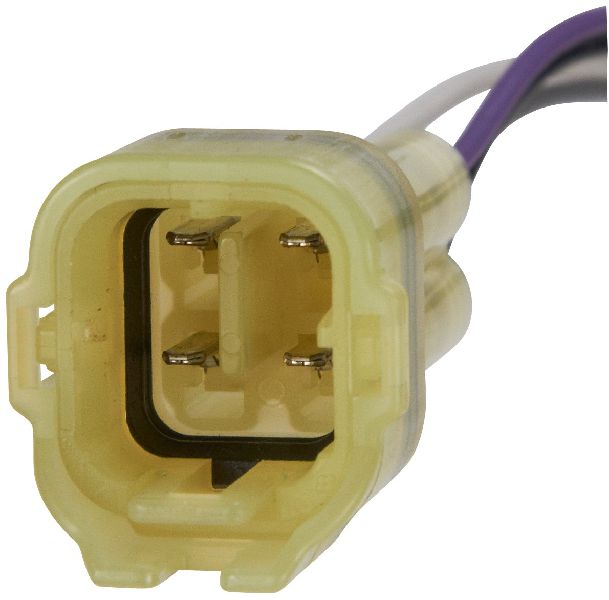
Avoid "universal" oxygen sensors that require you to cut and splice wires. The small savings are not worth the risk of a bad connection, which can cause performance issues or false readings. Always choose a "direct-fit" or "OE-style" sensor with the correct plug for your X-90.
Estimated Costs
The cost of replacing an oxygen sensor can vary based on the brand you choose and whether you do the work yourself.
| Part / Service | Estimated Cost |
|---|---|
| New Aftermarket Oxygen Sensor (Each) | $26.71 - $167.51 |
| Shop Labor (Per Sensor) | $50 - $150 |
| DIY Total (Part Only) | $26.71 - $167.51 |
| Shop Total (Parts + Labor) | $77 - $318 |
Frequently Asked Questions
How many oxygen sensors does my 1996-1998 X-90 have?
Your Suzuki X-90 has two oxygen sensors. As it is an OBD-II vehicle, it has one upstream sensor (before the catalytic converter) and one downstream sensor (after the catalytic converter).
What is the difference between an upstream and a downstream sensor?
The upstream sensor (also called Sensor 1) is used by the engine computer to control the air/fuel mixture. The downstream sensor (Sensor 2) is used to monitor the health of the catalytic converter. They are often physically identical but are not interchangeable due to their different locations and functions.
Can I replace the sensor myself?
Yes, this is a very DIY-friendly job for most home mechanics. The main challenge is often just accessing the sensor and removing the old one if it is rusted in place. You will need a special tool called an oxygen sensor socket, which can be purchased or sometimes rented from auto parts stores.
🎬 Watch: Cheap and easy OBD2 fixes for your SuzukiDo I need to replace both sensors at the same time?
No, you only need to replace the sensor that has failed. A code scanner can tell you which sensor is causing the problem (e.g., Bank 1 Sensor 1 for upstream, Bank 1 Sensor 2 for downstream). However, since they have similar lifespans, if one fails due to age and high mileage, the other may not be far behind.
Are there any recalls for the X-90 oxygen sensor?
No, there are no recalls from Suzuki or the NHTSA related to the oxygen sensors for the 1996-1998 Suzuki X-90.
Helpful Videos
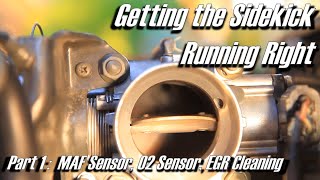
Technical Specifications
The 1996-1998 Suzuki X-90 uses two (2) four-wire heated oxygen sensors. Example part numbers include Denso 234-4060 (Upstream) and Denso 234-4649 (Downstream).
We Have This Part in Stock
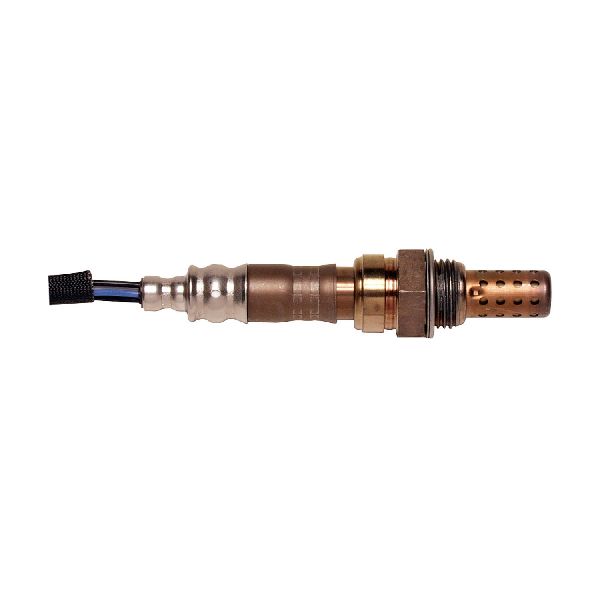

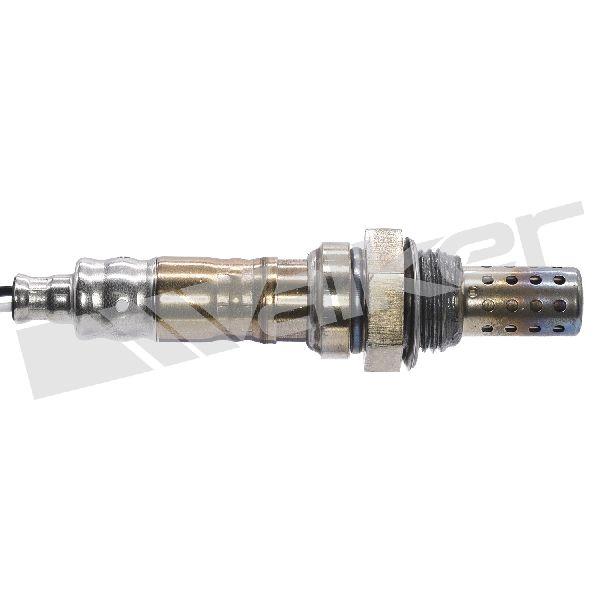
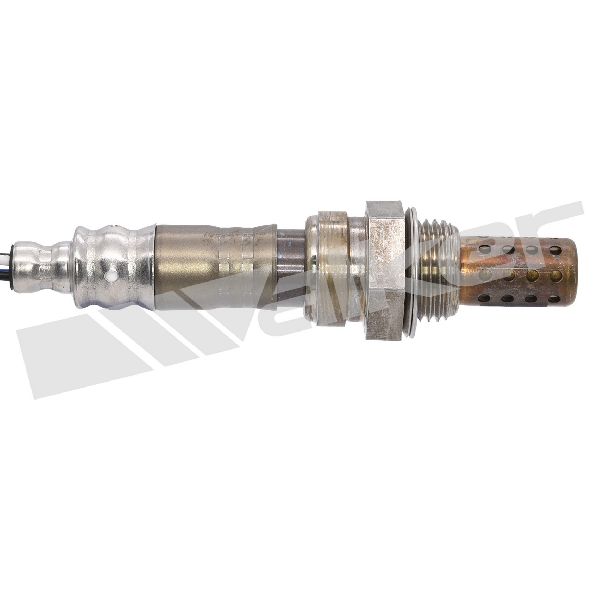

The information in this article is provided for general reference and educational purposes only. Vehicle specifications, procedures, and part compatibility can vary by production date, trim level, and region. Always consult your vehicle's factory service manual and verify part numbers before purchasing or performing repairs. Safety-critical components such as airbags, seat belts, and braking systems should be installed by a qualified professional.
- Suzuki X-90:
- 🎬 Helpful Videos
- 🛍️ Shop This Part
- Signs of a Failing Oxygen Sensor
- Don't Ignore a Bad O2 Sensor
- Choosing the Right Aftermarket Oxygen Sensor
- Tier 1: OEM-Equivalent Brands
- Tier 2: Quality Aftermarket Brands
- Tier 3: Economy Brands
- Always Use a Direct-Fit Sensor
- Estimated Costs
- Frequently Asked Questions
- 🎟️ Get 5% Off