

Throttle Position Sensor (TPS) Guide for 1996-1999 Ford Econoline Super Duty
Address common engine hesitation, stalling, and erratic shifting by understanding and replacing your van's throttle position sensor.
- First, confirm if you have a gas engine (TPS on throttle body) or a 7.3L diesel (sensor is part of the pedal assembly).
- Symptoms like harsh shifting, engine hesitation, and stalling are strong indicators of a failing TPS.
- Replacement is a simple DIY job that takes less than 30 minutes with basic tools.
- Choose a quality aftermarket brand like Delphi, NGK, or Standard Ignition to avoid premature failure common with budget parts.
Is Your Econoline Super Duty Showing Signs of a Bad TPS?
A failing throttle position sensor on these vans can be tricky because the symptoms often feel like a transmission problem or a fuel delivery issue. Since the sensor's signal affects fuel, spark, and shifting, a bad part can make your van feel unreliable. Watch for these common signs.
Gas vs. Diesel: A Critical Difference
Before buying any parts, you must know which engine your van has. The part you need is completely different for gas and diesel models.
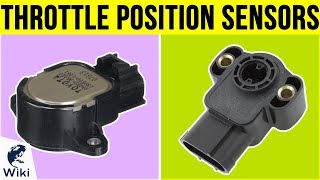
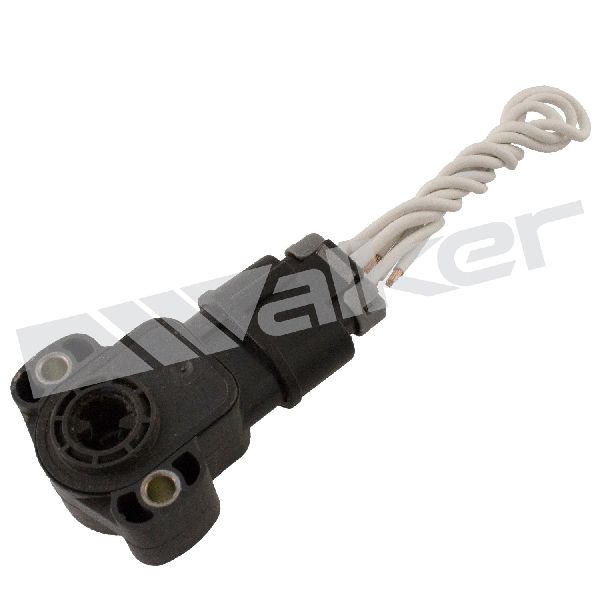
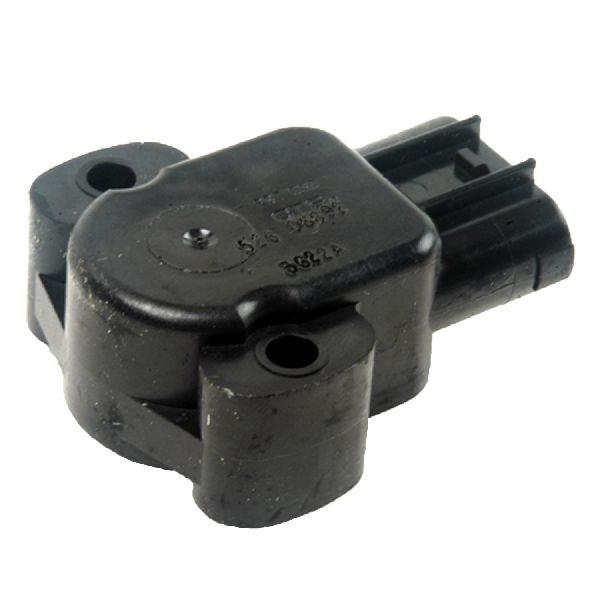
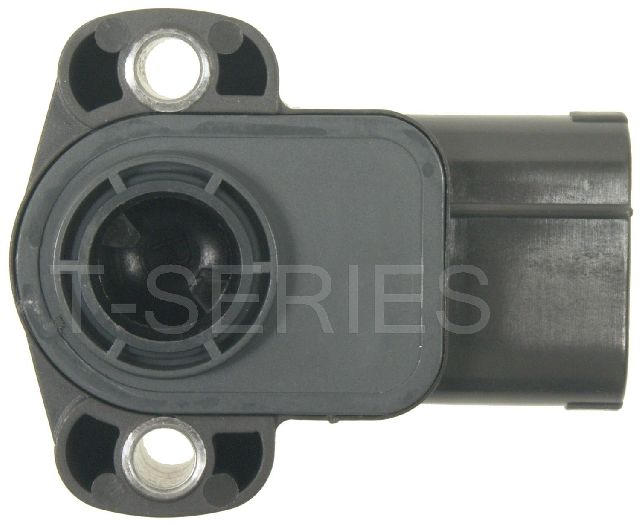
- Gas Engines (5.4L V8, 6.8L V10): You need a standalone Throttle Position Sensor (TPS). This is a small, less expensive sensor that mounts directly to the engine's throttle body.
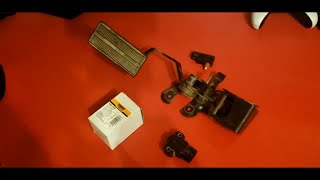
- 7.3L Power Stroke Diesel: You need a complete Accelerator Pedal Assembly. On these diesel vans, the sensor is built into the pedal unit and is not sold separately. Ordering a "TPS" for a diesel will get you the wrong part.
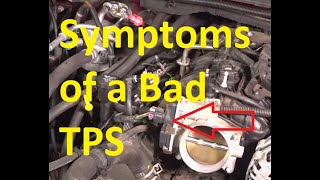
Common Symptoms of a Failing TPS
- Erratic Shifting and Acceleration: This is one of the most common complaints. The transmission may shift harshly, at the wrong times, or seem to hunt for gears because it relies on the pedal position to time shifts.
- Hesitation or "Dead Pedal": You might press the gas pedal and get no response for a moment, followed by a sudden surge of power. On the 7.3L Power Stroke, this is a well-known "dead pedal" issue where the engine just idles no matter how much you press the pedal.
- Poor or Unstable Idle: A faulty sensor can cause the engine to idle too high, too low, surge, or even stall when you come to a stop.
- Check Engine Light: The computer will often trigger a Check Engine Light and store diagnostic trouble codes (DTCs), typically in the P0120-P0124 range, which point to a TPS circuit problem. 🎬 Learn more about identifying symptoms and testing for sensor failure.
Choosing the Right Aftermarket Throttle Position Sensor
For a workhorse vehicle like an Econoline Super Duty, reliability is key. While an OEM Motorcraft part is a safe bet, high-quality aftermarket brands offer similar performance for less money. Cheaper, budget-tier parts are known to fail prematurely, sometimes within months, forcing you to do the job again.
Brand Quality Tiers
- Top Tier (Recommended): Brands like Delphi, NGK, and Standard Ignition (SMP) are often original equipment manufacturers for many car brands and are known for producing reliable sensors that meet or exceed OEM standards. Forum users and mechanics frequently recommend these brands for their durability.
- Mid Tier: Dorman and Walker Products offer a wide range of parts. Dorman is known for sometimes re-engineering parts to fix original flaws, but their overall quality can be hit-or-miss according to owner feedback. These can be a decent option if a top-tier brand is not available.
- Budget Tier: Brands like Global Parts and True Tech fall into the budget category. While the low price is tempting, these parts have a higher likelihood of early failure. For a critical sensor like the TPS, it's often worth spending more for a better part to avoid future headaches.
Pro Tip: Clean the Throttle Body First
Sometimes, symptoms of a bad TPS on gas engines can be caused by a dirty throttle body. Heavy carbon buildup can prevent the throttle plate from moving smoothly, causing hesitation or a rough idle. Before replacing the sensor, cleaning the throttle body with a dedicated cleaner is an inexpensive step that might solve your problem.
Typical Replacement Costs
The cost to replace a TPS on a 1996-1999 Econoline Super Duty is reasonable, especially if you do it yourself. The part itself is not expensive, and the job is straightforward.
| Part Type | Estimated Cost |
|---|---|
| New Aftermarket TPS | $34.81 - $79.77 |
| Shop Labor | $60 - $120 |
Frequently Asked Questions (FAQ)
Is replacing the TPS a difficult job?
No, this is a very DIY-friendly job. On gas engines, the sensor is located on the side of the throttle body, accessible after removing the engine cover ("doghouse"). It's held on by two screws (usually Torx T20) and a single electrical connector. The entire job can be done in under 30 minutes with basic hand tools.
🎬 Watch this step-by-step guide to replacing your Econoline's TPS.Do I need to calibrate or reset the new TPS?
For this generation of Econoline, most aftermarket sensors are non-adjustable and do not require calibration. However, it is a good practice to reset the engine computer after the installation. You can do this by disconnecting the battery's negative terminal for about 15 minutes. This allows the computer to clear any stored trouble codes and relearn its settings with the new sensor.
Why do some aftermarket TPS sensors fail so quickly?
This is a common complaint, especially with lower-priced sensors. Failure is often due to lower-quality internal components (the potentiometer) that wear out quickly, creating "dead spots" in the signal. This is why investing in a quality brand like Delphi or Standard Ignition is often recommended to ensure longevity.
Are there any recalls for the throttle position sensor on these vans?
A search of the National Highway Traffic Safety Administration (NHTSA) database did not show any specific recalls for the throttle position sensor on 1996-1999 Ford Econoline Super Duty models. Recalls found were for much newer model years and different components.
Helpful Videos

Technical Specifications
OEM Part Numbers: F4SZ-9B989-A F4SZ-9B989-AA DY-967
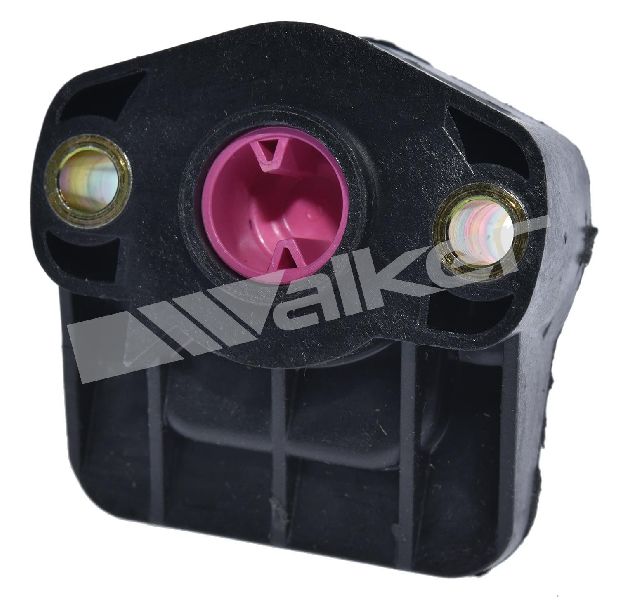
Rotary potentiometer sensor with a 3-pin electrical connector. Mounts to the throttle body with two screws. On gas engines, it measures the rotation of the throttle plate.
We Have This Part in Stock


The information in this article is provided for general reference and educational purposes only. Vehicle specifications, procedures, and part compatibility can vary by production date, trim level, and region. Always consult your vehicle's factory service manual and verify part numbers before purchasing or performing repairs. Safety-critical components such as airbags, seat belts, and braking systems should be installed by a qualified professional.
- Ford Econoline Super Duty:
- 🎬 Helpful Videos
- 🛍️ Shop This Part
- Is Your Econoline Super Duty Showing Signs of a Bad TPS?
- Gas vs. Diesel: A Critical Difference
- Common Symptoms of a Failing TPS
- Choosing the Right Aftermarket Throttle Position Sensor
- Brand Quality Tiers
- Pro Tip: Clean the Throttle Body First
- Typical Replacement Costs
- Frequently Asked Questions (FAQ)
- 🎟️ Get 5% Off