

1996-2000 BMW M3 Engine Coolant Temperature Sensor: A Complete Guide
Understand the critical role of the coolant temperature sensor in your E36 M3's S52 engine.
- This sensor is critical for fuel economy, emissions, and performance on your M3.
- Symptoms include a check engine light (P0117/P0118), rough idle, poor gas mileage, and an erratic temp gauge.
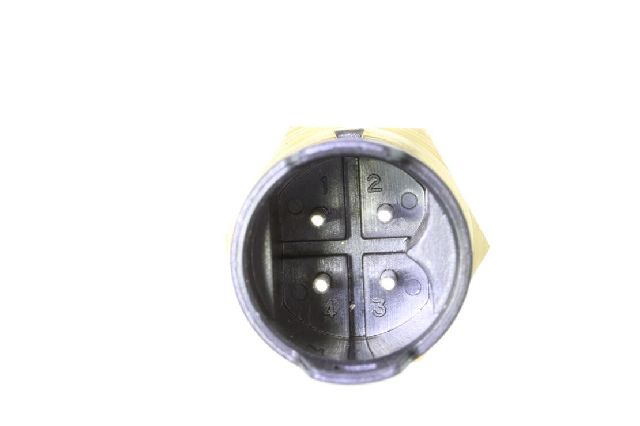
- Ensure you are buying the correct 4-pin sensor for the 1996-2000 M3 (S52 engine).
- Replacement is a simple DIY task, but using a quality brand is highly recommended for engine health.
Is your E36 M3 running rough or getting bad gas mileage? It could be this sensor.
The Engine Coolant Temperature (ECT) sensor is one of the most important sensors on your S52 engine. It tells the main computer (DME) how hot or cold the engine is. This information is used to make constant adjustments to the fuel mixture and ignition timing for optimal performance. When this sensor fails, the DME can receive incorrect information, leading to a host of noticeable problems.
Symptoms of a Failing Coolant Temperature Sensor
A bad ECT sensor can make your M3 run poorly. The computer may think the engine is permanently cold, leading it to inject too much fuel. Signs of a failure include:
- Check Engine Light: Often, the first sign is a check engine light with codes like P0117 (sensor circuit low) or P0118 (sensor circuit high).
- Poor Fuel Economy: The engine running a rich fuel mixture, as if it's always cold, will significantly increase fuel consumption.
- Black Smoke from Exhaust: An overly rich fuel mixture may not burn completely, resulting in black smoke from the tailpipe.
- Hard Starting: The wrong fuel mixture can make the engine difficult to start, especially when cold.
- Rough Idle or Misfires: The engine may vibrate, shake, or misfire due to the incorrect air-fuel ratio.
- Erratic Temperature Gauge: The needle on your dashboard's temperature gauge may swing wildly, read incorrectly, or not move at all.
No Recalls, But Still a Common Failure
Searches of the NHTSA database show no safety recalls or Technical Service Bulletins (TSBs) for the engine coolant temperature sensor on the 1996-2000 BMW M3. However, it is a common wear-and-tear item that fails due to age and constant exposure to heat cycles.
Choosing the Right Aftermarket Sensor for Your M3
When replacing a sensor that is so critical to engine management, quality matters. While budget-friendly options are available, for a high-performance vehicle like an M3, it's wise to choose a reputable brand.
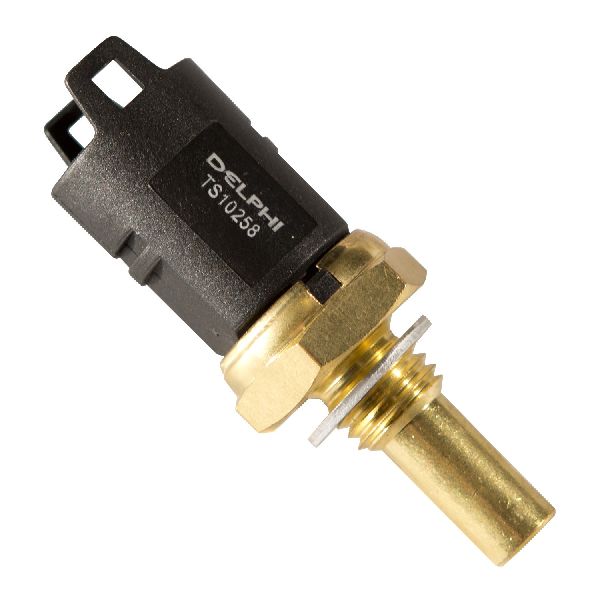
- OEM-Tier Brands: Brands like Bosch are known OEM suppliers for BMW and offer the highest likelihood of original performance and longevity. Other highly reputable aftermarket brands like Delphi or Vemo are also trusted choices in the BMW community.
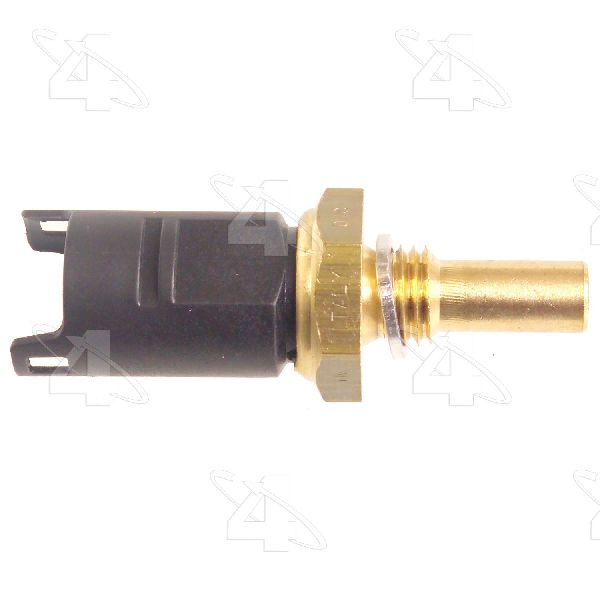
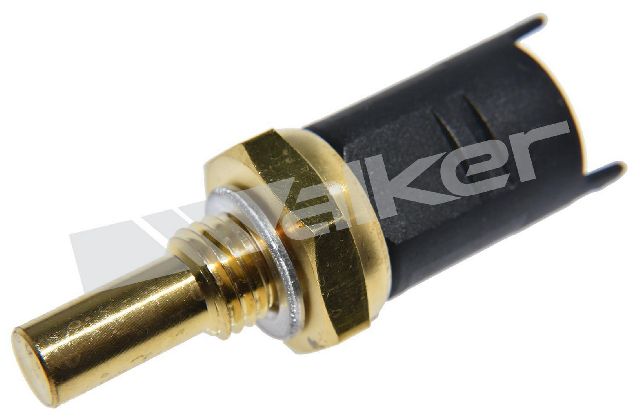
- Standard Aftermarket Brands: Brands such as Standard Ignition, Walker Products, and Four Seasons offer a balance of value and reliability. They are a dependable choice for a stock vehicle.
- Budget-Tier Brands: While the price is attractive, quality can be inconsistent. For a sensor this important, saving a few dollars now could lead to driveability problems or another replacement job sooner than expected.
Pro Tip: Your 1996-2000 M3 uses a specific four-pin sensor that controls both the DME and the gauge. Be sure to order the correct part, as earlier models used a different two-pin setup. Always replace the small metal sealing washer to prevent coolant leaks.
Estimated Replacement Costs
| Part Type | Estimated Cost |
|---|---|
| New OEM (Genuine BMW) | $60 - $90 |
| New Aftermarket | $26.38 - $42.26 |
| Shop Labor | $70 - $170 |
Cost estimates are for parts and labor only and do not include taxes, fees, or diagnosis. Labor is based on 0.5-1.0 hours at typical independent shop rates.
Frequently Asked Questions
Can I replace the M3 coolant temp sensor myself?
Yes, this is a very feasible DIY job for those with basic tools. The sensor is located on the front of the cylinder head under the intake manifold. Access is tight, but it can be reached with a 22mm wrench. The job typically takes less than an hour.
Do I need to drain all the coolant to replace it?
A full drain is not required. If you work quickly on a cool engine, only a small amount of coolant will be lost as you swap the old sensor for the new one. Have the new sensor and its sealing washer ready to install immediately after removing the old one to minimize coolant loss. Be sure to top off the coolant afterward.
Why is my temperature gauge acting up? Is it this sensor?
On the 1996-2000 M3, yes. This single four-pin sensor sends signals to both the engine computer and the temperature gauge. An erratic or dead gauge is a very common symptom of a failing sensor on these specific models.
Why shouldn't I just buy the cheapest sensor available?
The engine computer relies on this sensor for critical data to manage the engine. A low-quality sensor may provide inaccurate readings, leading to persistent poor performance, bad fuel economy, and failed emissions tests, even if it doesn't fail completely. For a performance engine like the M3's S52, using a quality, reputable brand is a smart investment.
Technical Specifications
OEM Part Numbers: 13621703993
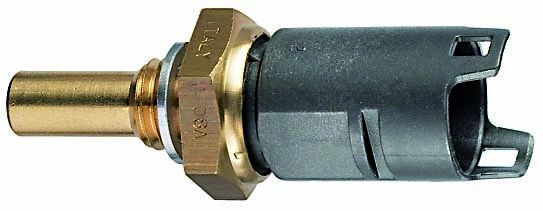
4-pin connector, M12x1.5 thread, includes sealing washer.
We Have This Part in Stock


The information in this article is provided for general reference and educational purposes only. Vehicle specifications, procedures, and part compatibility can vary by production date, trim level, and region. Always consult your vehicle's factory service manual and verify part numbers before purchasing or performing repairs. Safety-critical components such as airbags, seat belts, and braking systems should be installed by a qualified professional.
- BMW M3:
- 🛍️ Shop This Part
- Is your E36 M3 running rough or getting bad gas mileage? It could be this sensor.
- Symptoms of a Failing Coolant Temperature Sensor
- No Recalls, But Still a Common Failure
- Choosing the Right Aftermarket Sensor for Your M3
- Estimated Replacement Costs
- Frequently Asked Questions
- 🎟️ Get 5% Off