

Guide to the 1996-2000 Chevrolet Blazer Ignition Knock Sensor
Understanding the knock sensor in your Blazer is key to maintaining engine health and performance.
- A bad knock sensor will most commonly trigger a P0327 trouble code and cause poor acceleration.
- The sensor is in a difficult-to-reach spot at the rear of the engine, making replacement a labor-intensive job.
- Stick with quality aftermarket brands like Delphi or NGK; cheap sensors are known to fail and require doing the job a second time.
- Proper torque (15 ft-lbs) is critical during installation; incorrect torque will cause the new sensor to malfunction.
Symptoms of a Failing Knock Sensor
A bad knock sensor can cause several noticeable problems in your Blazer. Because the sensor's job is to protect the engine, the computer will often reduce engine power to be safe when it receives a bad signal or no signal at all.
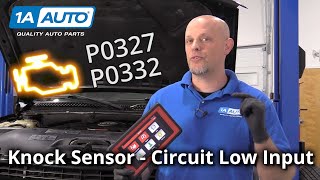
- Check Engine Light: This is the most common sign. The computer will store a trouble code, often P0327 (Knock Sensor Circuit Low Input) 🎬 Watch: Understanding trouble codes P0327 and P0332, which a mechanic can read with a scan tool.
- Poor Acceleration: Your Blazer might feel sluggish or slow to respond when you press the gas pedal. This is because the engine's computer is likely limiting performance to prevent potential damage.
- Reduced Fuel Economy: When ignition timing isn't optimal, the engine doesn't burn fuel as efficiently, leading to more trips to the gas station.
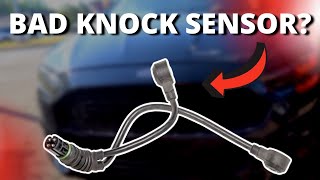
- Engine Pinging: You might hear a metallic pinging or knocking sound, especially when accelerating or going uphill. This is the sound of detonation that the faulty sensor is failing to correct. 🎬 See a breakdown of common bad knock sensor symptoms
Choosing the Right Aftermarket Knock Sensor
When it comes to engine sensors, quality matters. While OEM parts from the dealer are an option, high-quality aftermarket brands offer a reliable repair for a better price. For the 1996-2000 Blazer, it's best to avoid the cheapest options, as forum users and mechanics often report that low-quality sensors can fail quickly or be dead on arrival.
Aftermarket Brand Tiers
| Tier | Brands | General Assessment |
|---|---|---|
| Top Tier | Delphi, NGK (NTK) | Delphi was an original equipment (OE) supplier to GM, so their parts are often identical to the factory original. NGK (under their NTK sensor brand) is another highly respected name known for quality electronics that meet or exceed OE specifications. You can't go wrong with these brands. |
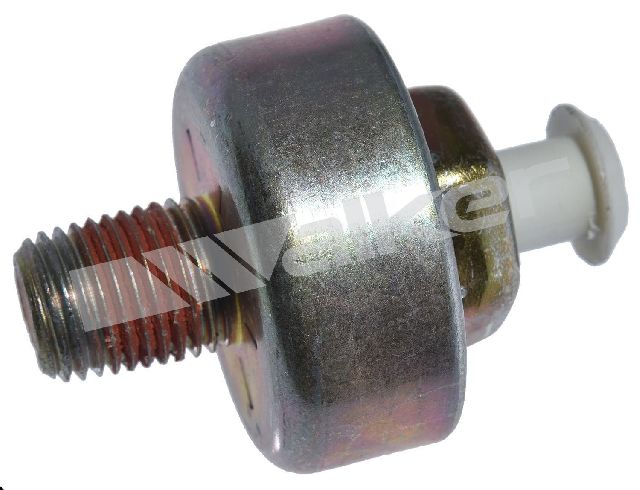
| Mid-Grade | Standard Motor Products, Walker Products | Standard Motor Products (SMP) has a long history and generally produces reliable components. Walker Products also offers OE-fit parts and is a well-established aftermarket brand. These are solid choices if top-tier brands aren't available. |
| Budget | Global Parts (and other store brands) | While the price is tempting, budget sensors have a higher risk of premature failure. Some owners have had success, but many have had to do the job twice. Given the labor involved, it's often worth spending a little more for a better brand. |
Cost of Replacing a Knock Sensor on a 1996-2000 Chevrolet Blazer
| Part/Service | Estimated Cost |
|---|---|
| New Aftermarket Part | $51.52 - $58.37 |
| New OEM Part (ACDelco) | $84 - $99 |
| Shop Labor | $200 - $293 |
| Total Professional Repair | $284 - $391 |
Frequently Asked Questions (FAQ)
Where is the knock sensor located on my 1996-2000 Blazer?
The knock sensor is a single sensor located on the top rear of the engine block, near the distributor and close to the firewall. Access is tight, and you may need to work from both sides of the engine bay.
Can I replace the knock sensor myself?
Yes, this is a DIY-feasible job for someone with moderate mechanical experience. However, access is difficult. You will need tools like a deep socket, a universal joint, and extensions to reach the sensor. Some owners find it easier to remove the distributor cap and move fuel lines out of the way for better access. Because of the difficult location, it can be a frustrating job.
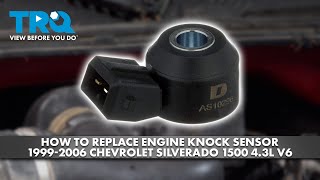
🎬 Watch this walkthrough for replacing the sensor on older Chevy enginesAre there any recalls for this part on my Blazer?
No, searches of the National Highway Traffic Safety Administration (NHTSA) database did not find any recalls or technical service bulletins (TSBs) specifically for the knock sensor on the 1996-2000 Chevrolet Blazer. Any issues are typically due to age and normal wear.
Should I buy an OEM or aftermarket knock sensor?
For this specific part, a high-quality aftermarket sensor from a brand like Delphi or NGK/NTK is a very reliable choice and can save you money. Delphi was an OE supplier for GM, meaning their part is often the same as the one sold at the dealership. Some professional technicians have even reported better results with quality aftermarket sensors compared to a batch of faulty OEM parts. The key is to avoid unbranded, cheap online parts.
What is the torque spec for the knock sensor?
This is critical. The knock sensor must be torqued to the correct specification, which is typically 15 ft-lbs for GM engines of this era. Over-tightening or under-tightening the sensor can damage its sensitive internal crystal or cause it to send incorrect readings, leading to the same problems you were trying to fix.
Helpful Videos

Technical Specifications
OEM Part Numbers: 10456288 12589867
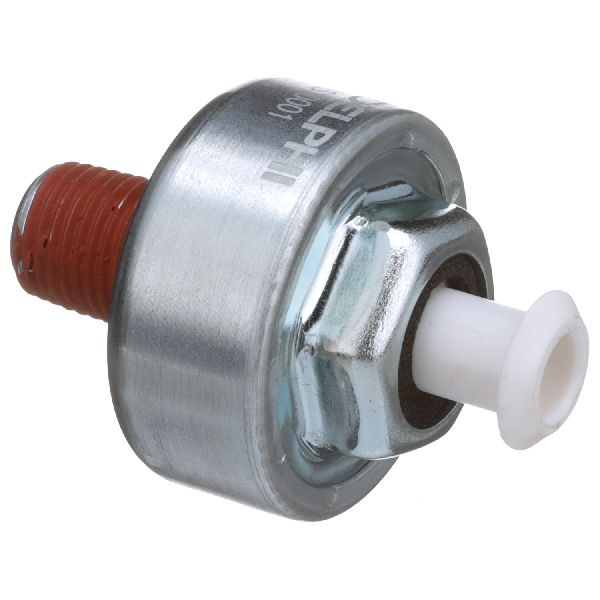
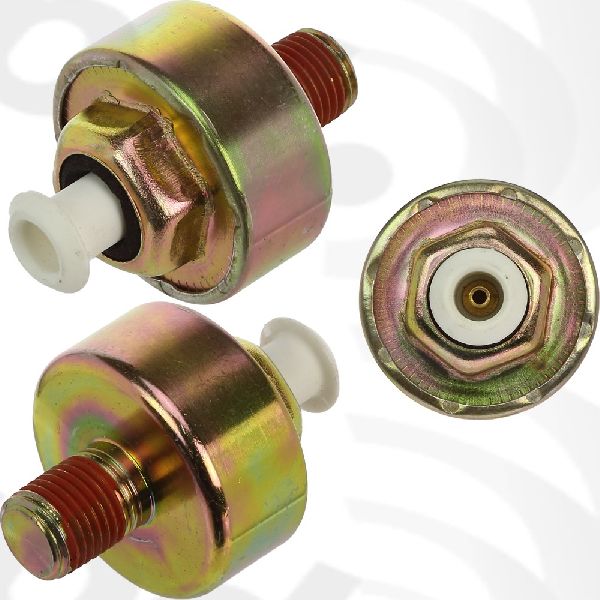
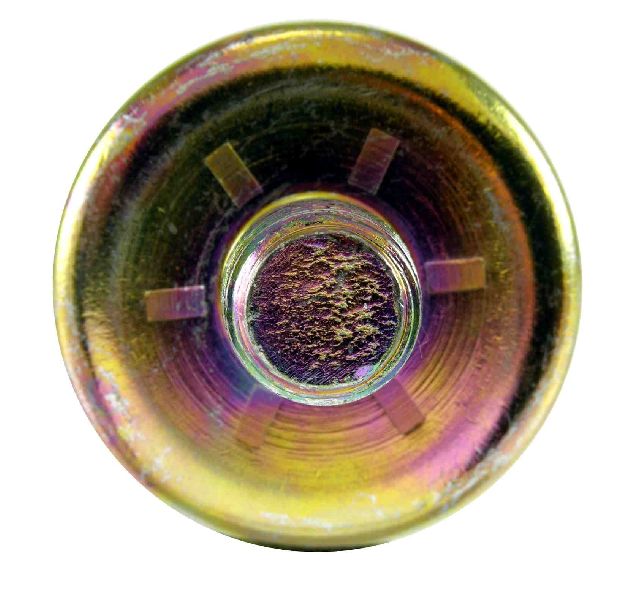
Single sensor, 1-terminal pin connector, located on top rear of engine block. Torque specification: 15 ft-lbs.
We Have This Part in Stock


The information in this article is provided for general reference and educational purposes only. Vehicle specifications, procedures, and part compatibility can vary by production date, trim level, and region. Always consult your vehicle's factory service manual and verify part numbers before purchasing or performing repairs. Safety-critical components such as airbags, seat belts, and braking systems should be installed by a qualified professional.
- Chevrolet Blazer: