

Replacing the Oxygen Sensors on Your 1996-2000 Chevrolet C3500
Keep your C3500's engine running strong and efficient by understanding its oxygen sensors.
- Your V8 C3500 has four O2 sensors; identify the correct one before buying.
- Symptoms include a Check Engine Light, poor gas mileage, and rough idling.
- Ignoring a bad O2 sensor can lead to costly catalytic converter damage.
- Stick with reputable brands like ACDelco, Denso, or NGK/NTK for best results.
Is Your C3500's Oxygen Sensor Failing?
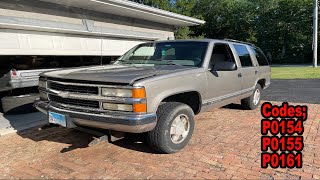
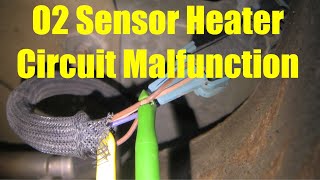
A bad oxygen sensor can cause a range of problems, from annoying to serious. The most common sign is the Check Engine Light turning on. 🎬 Learn how to diagnose common O2 sensor heater circuit codes. You might also notice your truck running rough, especially at idle, or even stalling. Other symptoms include a drop in fuel economy, a rotten egg or harsh smell from the exhaust, and sluggish acceleration. If left ignored, a failing O2 sensor can lead to expensive damage to your catalytic converters.
Choosing the Right Aftermarket O2 Sensor
When it comes to O2 sensors for your C3500, you have options. While ACDelco is the original equipment (OE) manufacturer for GM, several aftermarket brands offer quality replacements. In many cases, brands like Denso are the actual manufacturer for the part you'd find in an ACDelco box.
| Brand Tier | Brands | Notes |
|---|---|---|
| OE & Premium Aftermarket | ACDelco, Denso, NGK (NTK) | These brands are often considered the most reliable choices. Denso and NGK/NTK are major OEM suppliers and are known for their quality and compatibility with GM vehicles. Many owners report the best results when sticking to these brands. |
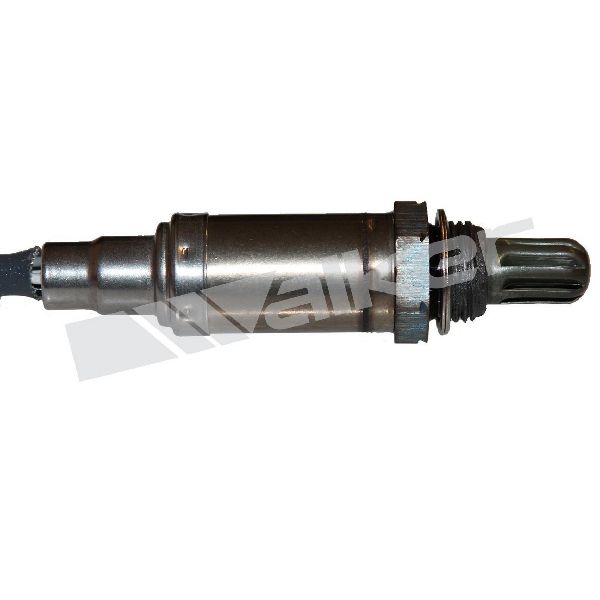
| Quality Aftermarket | Bosch, Delphi, Walker Products | Bosch invented the O2 sensor and is a huge name in the industry. Delphi was once part of GM and is generally a trusted name. Walker is another established aftermarket exhaust component manufacturer. While many have success with these brands, some forum users have noted occasional compatibility issues with Bosch on certain GM platforms, so sticking to direct-fit models is crucial. |
| Economy | DriveWire, Spectra, other store brands | These brands offer a more budget-friendly option. While they can work, their long-term reliability and performance may not match the premium brands. They can be a viable choice if budget is the primary concern, but be aware you may be replacing them sooner. |
Common Ordering Mistake: Upstream vs. Downstream
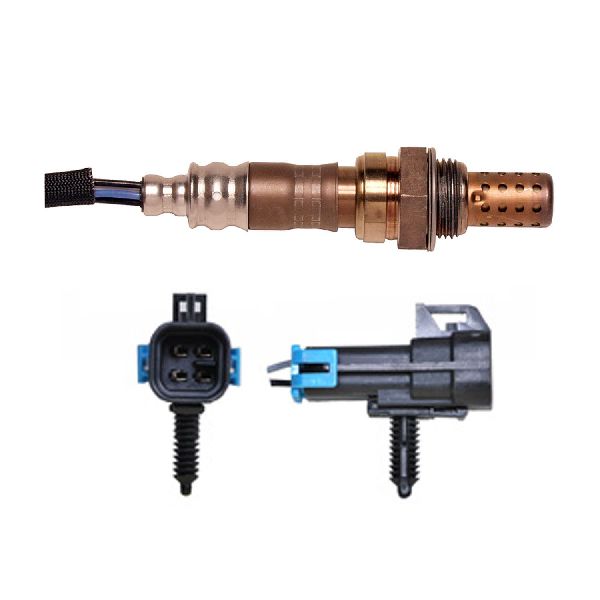
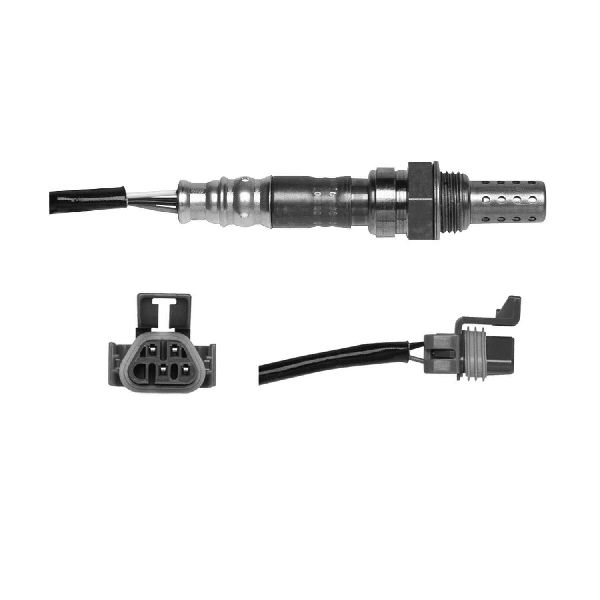
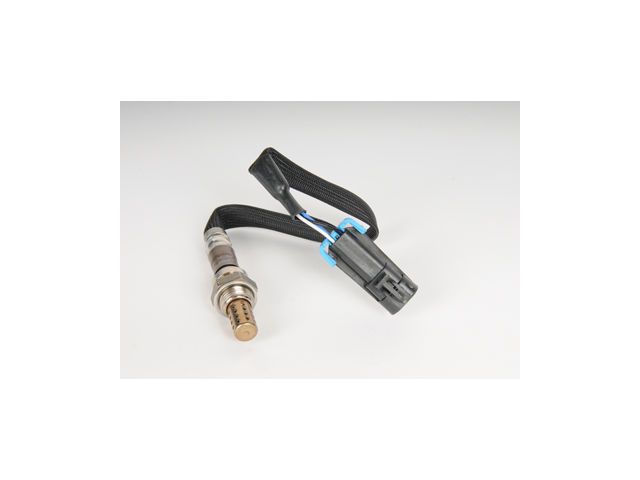
Your C3500 has both upstream (before the catalytic converter) and downstream (after the converter) sensors. These sensors are not always interchangeable. They often have different wire lengths and connectors. Always verify the location (e.g., Bank 1 Sensor 1, Bank 2 Sensor 2) before ordering.
Frequently Asked Questions
How many oxygen sensors does my 1996-2000 C3500 have?
If you have a V8 engine (like the 5.7L or 7.4L), your truck is equipped with four oxygen sensors. There are two upstream sensors (one for each engine bank, called Bank 1 Sensor 1 and Bank 2 Sensor 1) and two downstream sensors (Bank 1 Sensor 2 and Bank 2 Sensor 2).
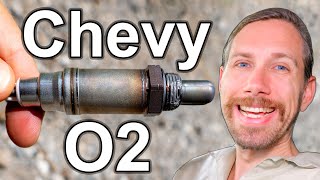
🎬 Watch this step-by-step guide on replacing all four O2 sensors.What's the difference between an upstream and a downstream sensor?
Upstream sensors are located in the exhaust manifold or pipe before the catalytic converter. They are the primary sensors used by the engine computer to make rapid adjustments to the air/fuel ratio. Downstream sensors are located after the catalytic converter and are used to monitor the converter's efficiency. A failure in an upstream sensor has a more immediate impact on engine performance.
Can I clean my old O2 sensor instead of replacing it?
While some people attempt to clean O2 sensors to save money, it is generally not a reliable or long-term fix. The sensor's internal components wear out over time, and cleaning only removes surface deposits. A new sensor is the only way to guarantee correct performance and restore fuel efficiency.
Do I need a special tool to replace an O2 sensor?
Yes, an oxygen sensor socket is highly recommended. It's a 7/8" (22mm) socket with a slit down the side to accommodate the sensor's wire. While a standard wrench can sometimes work, the sensors are often very tight or in awkward positions, and the special socket makes the job much easier and reduces the risk of damaging the new sensor.
🎬 See how to remove stubborn sensors quickly and easily.Are there any recalls for the oxygen sensors on my C3500?
A search of the National Highway Traffic Safety Administration (NHTSA) database did not show any specific recalls for oxygen sensors on the 1996-2000 Chevrolet C3500. However, TSBs (Technical Service Bulletins) for later model GM trucks mention issues with O2 sensor wiring being mis-routed and contacting hot exhaust components, causing failure. Always ensure the new sensor's wiring is properly secured away from the exhaust pipes.
Helpful Videos
Technical Specifications
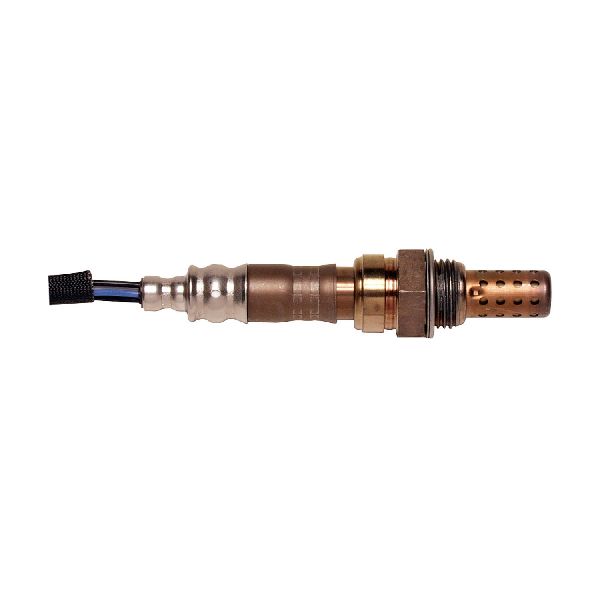
Your 1996-2000 C3500 uses heated, 4-wire oxygen sensors. The thread size is typically M18x1.5. It is crucial to distinguish between upstream (pre-catalyst) and downstream (post-catalyst) sensors, as wire length and connectors may differ.
We Have This Part in Stock


The information in this article is provided for general reference and educational purposes only. Vehicle specifications, procedures, and part compatibility can vary by production date, trim level, and region. Always consult your vehicle's factory service manual and verify part numbers before purchasing or performing repairs. Safety-critical components such as airbags, seat belts, and braking systems should be installed by a qualified professional.
- Chevrolet C3500: