

Chevrolet Express 2500 Knock Sensor Guide (1996-2000)
Understanding knock sensor failure and replacement for your 1996-2000 Chevrolet Express 2500 van.
- Replacement is a major job requiring removal of the intake manifold; it is not a simple sensor swap.
- Always replace both sensors, the wiring harness, and the intake manifold gaskets at the same time.
- Using high-quality brands like Delphi or AC Delco is strongly recommended to avoid repeating this expensive repair.
- Properly torqueing the new sensors to 15 ft-lbs is critical for them to function correctly.
Is Your Express Van Running Rough? It Could Be a Bad Knock Sensor.
A failing knock sensor is a common issue on the 1996-2000 Chevrolet Express 2500, especially those with the 5.7L Vortec V8 engine. The engine's computer relies on these sensors to run efficiently and safely. When one fails, the computer defaults to a safe mode, reducing ignition timing to prevent damage. This results in noticeable performance loss and other symptoms.
A Complicated Replacement Job
On these specific vans, the two knock sensors are located deep in the engine valley, underneath the entire intake manifold. This is not a simple part to access. Replacing them requires removing the fuel system components and the intake manifold, making it a labor-intensive job that is best left to an experienced mechanic unless you are a very confident DIYer.
Symptoms of a Failing Knock Sensor
The signs of a bad knock sensor are often very clear. The most common indicator is a Check Engine Light, but you may also notice how your van drives.
- Check Engine Light: This is the most common symptom. You will likely see codes P0327 (Bank 1) or P0332 (Bank 2).
- Reduced Power and Sluggish Acceleration: The van may feel slow or hesitant because the computer has retarded the timing to protect the engine.
- Worse Fuel Economy: With the engine running in a less efficient state, your gas mileage will suffer.
- Engine Pinging Noise: In some cases, a completely failed sensor won't detect knock at all, and you may hear a metallic pinging or rattling sound from the engine, especially when accelerating or towing. This is very harmful to the engine.
Choosing the Right Aftermarket Knock Sensor
Because this replacement is so labor-intensive, choosing a high-quality, reliable part is critical. You do not want to do this job twice. While many brands are available, they fall into different quality tiers.
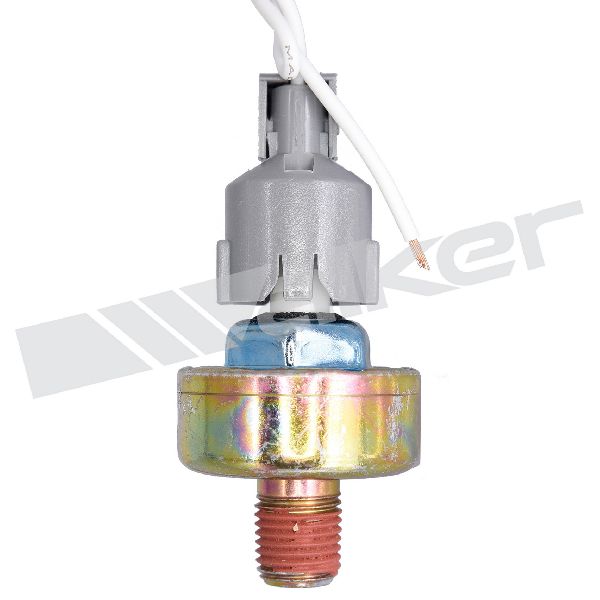
Pro Tip: Always replace both knock sensors at the same time. It is also highly recommended to replace the short wiring harness that connects them, as it is a common failure point due to heat and corrosion.
Brand Quality Tiers
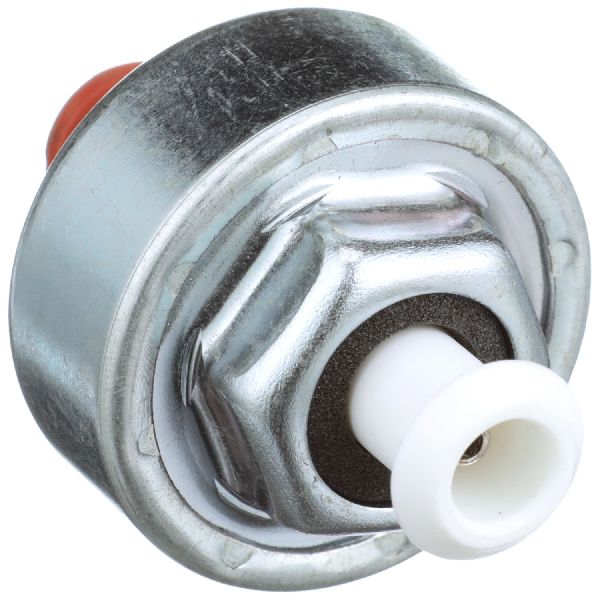
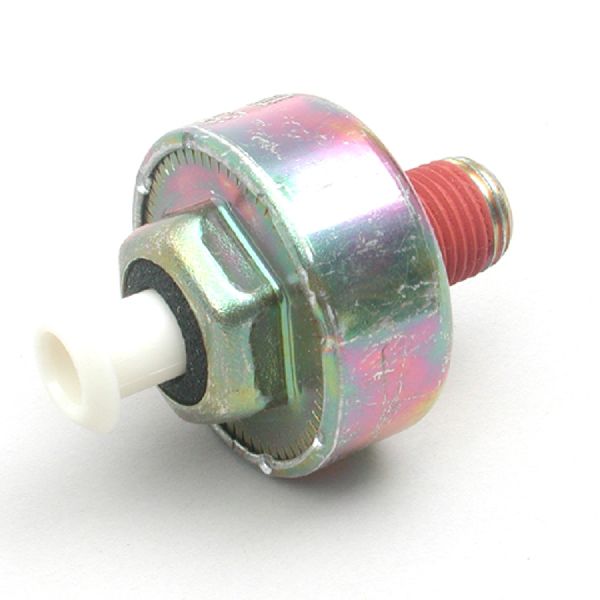
- Tier 1 (OEM Quality): Delphi is widely regarded as the Original Equipment Manufacturer (OEM) for General Motors. Choosing Delphi or the official AC Delco part is the safest bet for reliability and correct performance. Mechanics overwhelmingly recommend using these brands to avoid repeat failures.
- Tier 2 (Reputable Aftermarket): Brands like NGK (NTK) and Standard Ignition (SMP) have a strong reputation for producing quality sensors that are a good alternative to OEM parts.
- Tier 3 (Budget Brands): While brands like Holstein, Global Parts, and True Tech offer a lower price, be cautious. Generic, low-cost sensors have a much higher reported failure rate, sometimes being faulty right out of the box. Given the high cost of labor for this job, saving a few dollars on the part itself is a significant risk.
| Item | Estimated Cost |
|---|---|
| Aftermarket Knock Sensors (Set of 2) | $80 - $140 |
| Knock Sensor Harness | $30 - $50 |
| Intake Manifold Gasket Set | $40 - $80 |
| Shop Labor | $300 - $500+ |
| Total Estimated Cost | $450 - $770+ |
Frequently Asked Questions (FAQ)
Why did my knock sensor fail?
The primary cause of failure on these Vortec engines is the sensor's location. They sit in wells in the engine valley that can collect water from rain or engine washing. This water sits on top of the sensor, causing it and its electrical connector to rust and corrode over time, eventually leading to failure.
Is there a recall for this issue?
No, there are no active NHTSA recalls for the knock sensors on the 1996-2000 Chevrolet Express.
What is the TSB for knock sensors?
General Motors issued a Technical Service Bulletin (TSB #02-06-04-023A) for similar trucks with the same engine design. It advises mechanics to apply a bead of RTV silicone to form a small dam around the base of the new sensors during installation. This helps prevent water from pooling in the sensor wells in the future.
Do I have to replace the intake manifold gaskets?
Yes. The intake manifold gaskets on these engines are designed for one-time use. They crush to create a seal and will not seal properly if reused, which can cause vacuum leaks, coolant leaks, and poor engine performance. Replacing them is a required part of the job.
What does the torque spec matter?
Knock sensors are sensitive piezoelectric devices. The torque specification (typically 15 ft-lbs for these engines) is critical. Over-tightening the sensor can damage it or make it overly sensitive, while under-tightening can prevent it from detecting knock correctly. Always use a torque wrench for installation.
Technical Specifications
OEM Part Numbers: 10456603 12589867
Location: Under Intake Manifold, Quantity Required: 2, Torque Spec: 15 ft-lbs
We Have This Part in Stock


The information in this article is provided for general reference and educational purposes only. Vehicle specifications, procedures, and part compatibility can vary by production date, trim level, and region. Always consult your vehicle's factory service manual and verify part numbers before purchasing or performing repairs. Safety-critical components such as airbags, seat belts, and braking systems should be installed by a qualified professional.
- Chevrolet Express 2500: