

Chevrolet K2500 Catalytic Converter: A Guide for 1996-2000 Models
Everything you need to know before replacing the catalytic converter on your 1996-2000 Chevy K2500.
- Always diagnose and fix the root cause of the original converter's failure (e.g., misfires, fuel issues) before installing a new one.
- A check engine light with code P0420 or P0430 is the most common sign of a bad converter.
- Choose a direct-fit converter and verify the correct part for your truck's specific GVWR and wheelbase configuration.
- For DIY replacement, be prepared to deal with heavily rusted exhaust bolts; a torch and penetrating oil are often necessary.
Is Your K2500's Catalytic Converter Failing?
A bad catalytic converter doesn't just hurt the environment; it can seriously impact your truck's engine performance and health. The signs of failure are usually clear and shouldn't be ignored. Driving for too long with a severely clogged converter can cause excessive exhaust backpressure, which can lead to overheating and serious engine damage.
Common Failure Symptoms
If your converter is on its way out, you'll likely notice one or more of these signs:
🎬 Watch: See and hear common symptoms of a clogged converter- Check Engine Light: This is the most common symptom. A code reader will usually show P0420 or P0430, which points to "Catalyst System Efficiency Below Threshold." 🎬 Watch: How to diagnose and fix a P0420 code
- Sluggish Performance: A clogged converter restricts exhaust flow, making your truck feel weak, slow to accelerate, and hesitant, especially when towing or going uphill.
- Rotten Egg Smell: A strong sulfur smell from the exhaust means the converter is no longer processing gases correctly.
- Rattling Noises: The ceramic honeycomb inside can break apart over time, causing a rattling sound from underneath the truck, especially when starting the engine or accelerating.
- Worse Fuel Economy: A restricted engine has to work harder, burning more fuel to get the job done.
Fix the Root Cause First!
Catalytic converters rarely fail on their own. They are usually destroyed by an underlying engine issue. Common culprits include engine misfires, a rich fuel mixture from bad injectors, or burning oil/coolant. Before you install a new converter, you must diagnose and fix what killed the old one. If you don't, you will quickly ruin the new part.
Choosing the Right Aftermarket Converter
You don't need to buy an expensive OEM part from the dealer. Aftermarket converters offer a good balance of value and quality, but they are not all created equal. They generally fall into three tiers.
Tier 1: Premium & Performance Brands (e.g., MagnaFlow)
These are the highest quality aftermarket options. Brands like MagnaFlow are known for their durable stainless steel construction and excellent performance. They are designed to last and often improve exhaust flow, which can benefit performance. While they are the most expensive aftermarket choice, they offer the best longevity and are a smart investment if you plan to keep your truck for a long time.
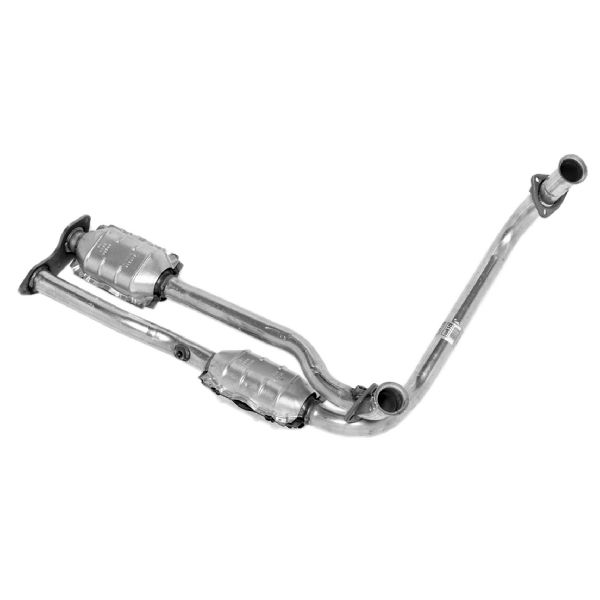
Tier 2: OEM-Style Replacement Brands (e.g., Walker)
Walker is a highly trusted name that focuses on creating parts that fit and function just like the original. They are a reliable choice for the average truck owner who wants a quality part that will keep the check engine light off without the high price of a performance brand. Fitment is generally very good for their direct-fit applications.
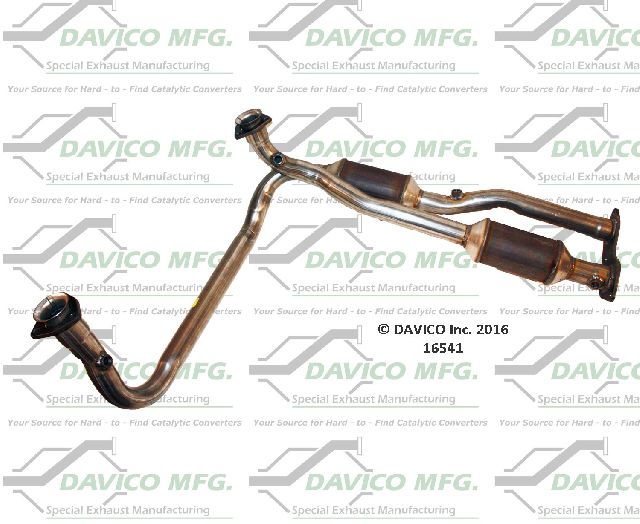
Tier 3: Economy Brands (e.g., Davico, Eastern Catalytic, AP Exhaust, Evan Fischer)
These brands offer the lowest prices, making them a tempting option if you're on a tight budget. However, quality and fit can be inconsistent. Forum discussions show mixed experiences; some users have no problems, while others report issues with fitment requiring modification, and some find the check engine light returns prematurely. These are best considered a short-term solution to pass an emissions test or for a truck you don't plan on keeping long-term.
Direct-Fit vs. Universal Fit
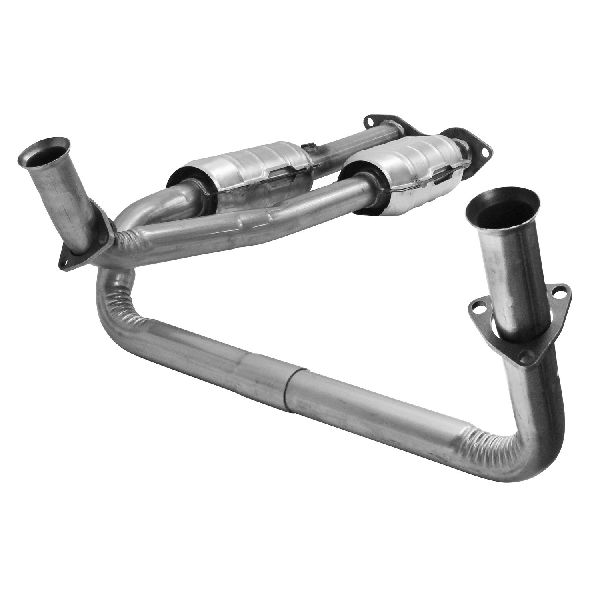
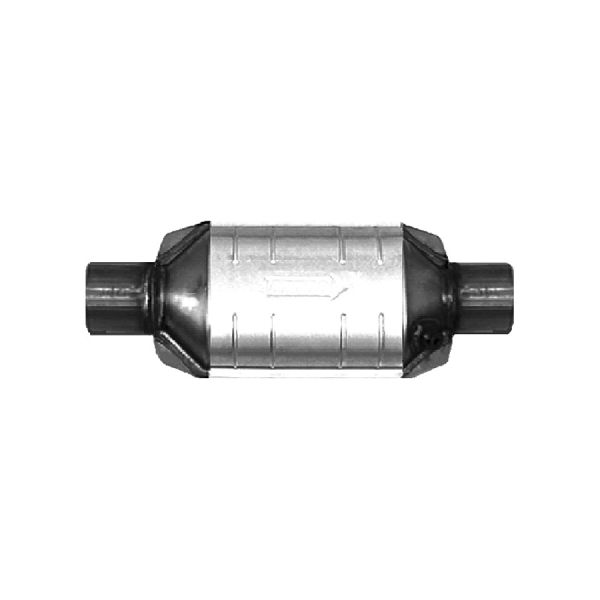
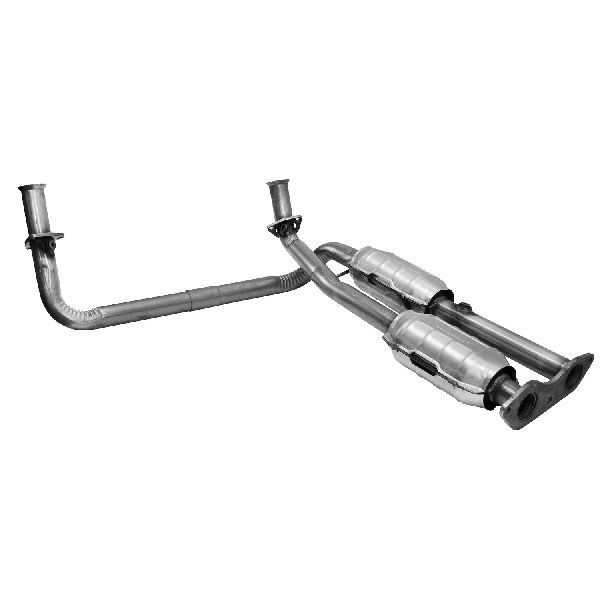
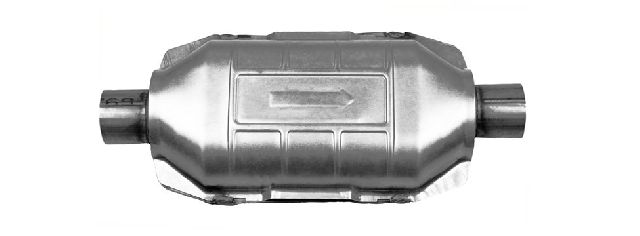
For your K2500, a direct-fit converter is strongly recommended. It's designed to bolt right into the factory location without any cutting or welding. A universal converter is cheaper but will require a professional exhaust shop to cut and weld it into place, adding to the labor cost. Also, be sure to check your truck's Gross Vehicle Weight Rating (GVWR) and wheelbase, as there are different converter configurations.
Cost of Replacing a K2500 Catalytic Converter
| Part/Service | Estimated Cost |
|---|---|
| New Aftermarket Part | $145 - $1,925 |
| Shop Labor | $200 - $450 |
| Total Estimated Cost | $345 - $2,375 |
Cost estimates are for reference only and may vary based on your location, the specific brand chosen, and the condition of your vehicle's exhaust hardware.
Frequently Asked Questions
Is it hard to replace the catalytic converter on a K2500 myself?
The job is straightforward if you have a direct-fit part, but it can be difficult due to rust. The bolts connecting the converter to the exhaust manifolds are often seized. You will likely need a torch, lots of penetrating oil, and possibly a bolt extractor set to get them off. If you aren't equipped to deal with heavy rust and stubborn bolts, it's best to leave this job to a professional.
🎬 Watch: Step-by-step guide to replacing the Y-pipe and convertersAre there any recalls or TSBs for the K2500 converter?
There are no specific recalls for the 1996-2000 Chevrolet K2500 catalytic converter. However, GM has issued general service bulletins for older trucks that can be relevant, such as TSB PIP5232C, which notes that a bad engine ground can cause premature converter failure, and TSB 17-NA-321, which points to cracks forming on the mounting flange. It's worth checking these areas during diagnosis.
Do I need to replace my oxygen sensors at the same time?
It's a good idea, especially if they are old. A failing oxygen sensor can sometimes incorrectly trigger a P0420 code, making you think the converter is bad when it isn't. Replacing the O2 sensors (especially the downstream sensors that monitor the converter) with the new converter is good preventative maintenance to ensure the whole system works correctly.
What's the difference between Federal/EPA and CARB-compliant converters?
CARB (California Air Resources Board) compliant converters are required for vehicles registered in California and other states that have adopted its strict emissions standards. They contain more precious metals and are more expensive. Federal/EPA compliant converters are for all other states. You must install the correct type for your state to be street legal and pass inspections.
Helpful Videos
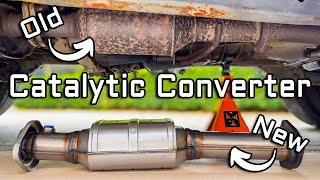
Technical Specifications
Configurations for the 1996-2000 Chevrolet K2500 vary. Buyers must verify the correct catalytic converter based on their vehicle's Gross Vehicle Weight Rating (GVWR), wheelbase, and engine size (e.g., 5.7L V8). Both direct-fit and universal-fit options are available, with direct-fit being highly recommended for easier installation.
We Have This Part in Stock

The information in this article is provided for general reference and educational purposes only. Vehicle specifications, procedures, and part compatibility can vary by production date, trim level, and region. Always consult your vehicle's factory service manual and verify part numbers before purchasing or performing repairs. Safety-critical components such as airbags, seat belts, and braking systems should be installed by a qualified professional.
- Chevrolet K2500:
- 🎬 Helpful Videos
- 🛍️ Shop This Part
- Is Your K2500's Catalytic Converter Failing?
- Common Failure Symptoms
- Fix the Root Cause First!
- Choosing the Right Aftermarket Converter
- Tier 1: Premium & Performance Brands (e.g., MagnaFlow)
- Tier 2: OEM-Style Replacement Brands (e.g., Walker)
- Tier 3: Economy Brands (e.g., Davico, Eastern Catalytic, AP Exhaust, Evan Fischer)
- Direct-Fit vs. Universal Fit
- Cost of Replacing a K2500 Catalytic Converter
- Frequently Asked Questions
- 🎟️ Get 5% Off