

Chevrolet K3500 Oxygen Sensor Guide for 1996-2000 Models
Everything you need to know about replacing the oxygen sensors on your 1996-2000 Chevrolet K3500 truck.
- Your truck has four O2 sensors; use a code scanner to identify the correct one before buying a replacement.
- Upstream sensors (Sensor 1) are vital for performance, while downstream sensors (Sensor 2) monitor emissions.
- Stick with trusted brands like Denso, NGK/NTK, or ACDelco for the best reliability and to avoid repeat repairs.
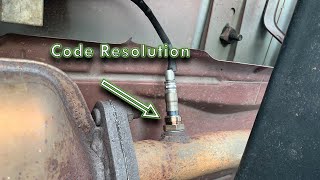
- Original sensors are often seized in the exhaust; soak them with penetrating oil before trying to remove them.
Understanding Your K3500's Oxygen Sensors
If you own a 1996-2000 Chevy K3500 with a gasoline engine (like the 5.7L or 7.4L V8), your truck has four oxygen sensors. It's important to know which one needs replacing. The check engine code will tell you which one is bad.
- Upstream Sensors (Bank 1 Sensor 1, Bank 2 Sensor 1): These are located on the exhaust manifolds or just after them, before the catalytic converters. They are the most important for engine performance and fuel mixture. Bank 1 is the driver's side, and Bank 2 is the passenger's side.
- Downstream Sensors (Bank 1 Sensor 2, Bank 2 Sensor 2): These are located after the catalytic converters. Their main job is to monitor the converter's efficiency for emissions control. A bad downstream sensor will turn on the check engine light but usually won't affect how the truck runs.
Symptoms of a Failing Oxygen Sensor
When an O2 sensor starts to fail, your truck will give you clear warning signs. The most obvious is the check engine light. Other common symptoms include poor gas mileage, a rough idle, engine hesitation or misfires, and a rotten egg smell from the exhaust. Ignoring a bad upstream sensor can lead to expensive damage to your catalytic converters over time.
Known Issues for This Vehicle
No specific recalls or Technical Service Bulletins (TSBs) from the NHTSA exist for oxygen sensor failures on the 1996-2000 Chevrolet K3500. The most common issue reported by owners is the extreme difficulty in removing the original sensors, which often get seized in the exhaust pipe due to age and rust. Soaking the sensor with penetrating oil for several hours or overnight before attempting removal is highly recommended.
🎬 See these expert tips for removing a stuck, rusted sensor.Choosing the Right Aftermarket Oxygen Sensor
For a critical sensor like this, brand quality matters. Using a cheap, low-quality sensor can cause persistent check engine lights and performance issues. Based on owner experiences and mechanic recommendations, here is a breakdown of trusted brands for your K3500.
Tier 1: OEM & Premium OEM-Equivalent
These brands are either the original equipment manufacturer or are widely trusted to provide the same performance and reliability. They are the safest bet for a first-time fix without issues.
- ACDelco: This is GM's official parts brand. However, many forum users note that ACDelco often re-boxes sensors made by Denso or NGK.
- Denso: Highly recommended by K3500 owners. Denso is a major OEM supplier and is often considered the actual manufacturer of the ACDelco part, but at a lower price.
- NGK (also sold as NTK): Another top-tier OEM supplier with a strong reputation for reliability in these trucks.
Tier 2: Reputable Aftermarket
These brands are well-known and can offer good value, but owner feedback is more mixed compared to the top tier.
- Bosch: Bosch invented the automotive oxygen sensor and is a massive global supplier. While they make quality parts, some GM truck owners report occasional compatibility issues, making Denso or NGK a safer choice.
- Delphi: Once a part of GM, Delphi has a long history of making quality electronics. However, since becoming independent, some users are less certain if the quality has remained consistent.
Tier 3: Budget Options
These brands meet basic specifications and are the most affordable. They may be a good choice for a tight budget, but have a higher risk of premature failure or compatibility problems.
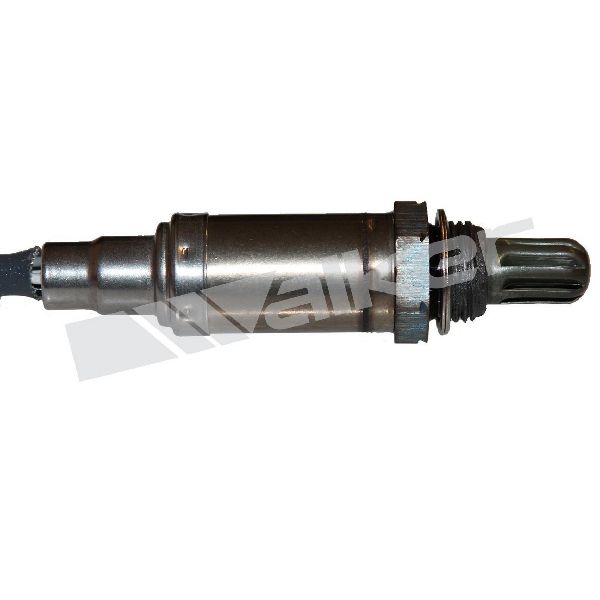
- Walker Products
- Spectra
- DriveWire
Direct-Fit vs. Universal Sensors
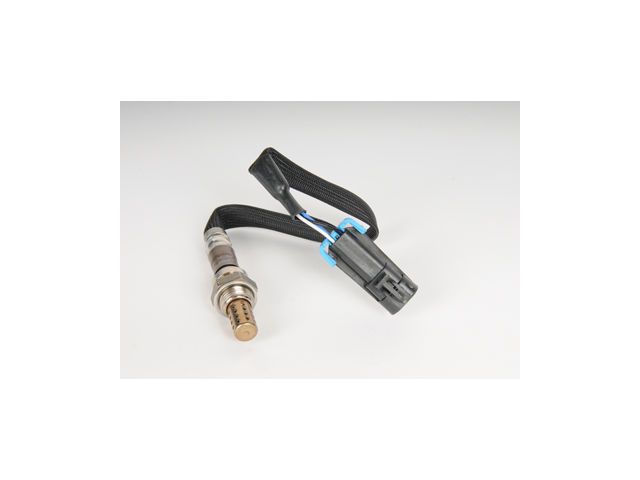
Always choose a "direct-fit" sensor. These come with the correct wire length and factory-style electrical connector for a simple plug-and-play installation. 🎬 Watch this simple walkthrough for replacing upstream and downstream sensors. Universal sensors require you to cut and splice wires, which can lead to connection problems and is not recommended.
Typical Replacement Costs
The cost to replace an oxygen sensor depends on the brand you choose and whether you do the work yourself.
| Item | Estimated Cost |
|---|---|
| New Aftermarket Oxygen Sensor (Budget) | $33 - $60 |
| New Aftermarket Oxygen Sensor (Premium) | $60 - $137 |
| Shop Labor | $100 - $200 |
| Total Professional Replacement | $133 - $337 |
Frequently Asked Questions
How do I know which of the four sensors is bad?
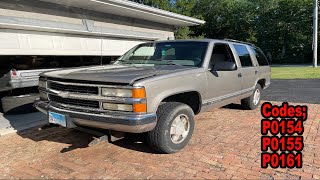
You need to use an OBD-II code scanner. The code will point you to the exact sensor. For example, code P0135 is for "Bank 1, Sensor 1 Heater Circuit," which is the upstream sensor on the driver's side. Code P0155 is for Bank 2, Sensor 1.
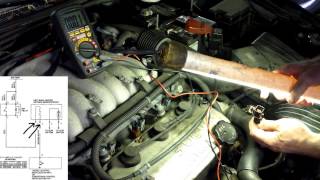
🎬 Watch: How to diagnose O2 sensor heater circuit codes.Can I replace just one oxygen sensor?
Yes. You only need to replace the sensor that has failed. However, oxygen sensors have a similar lifespan. If one has failed and your truck has high mileage, the others may not be far behind.
Do I need a special tool to replace an O2 sensor?
A special oxygen sensor socket is highly recommended. It's a deep socket with a cutout for the wire, which makes the job much easier. You can also use a 7/8" wrench, but the socket provides a better grip, which is helpful for a stuck sensor.
Can I clean my old oxygen sensor instead of replacing it?
While some people attempt to clean O2 sensors, it is not a reliable or long-term fix. Contaminants bake into the sensor's ceramic element, and cleaning the surface rarely restores its proper function. Replacement is the only guaranteed solution.
Helpful Videos
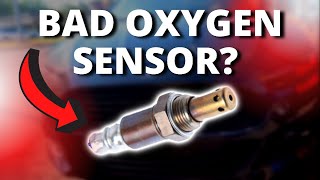
Technical Specifications
Your truck uses heated, 4-wire oxygen sensors. Upstream and downstream sensors are different parts and are not interchangeable. Bank 1 (driver side) and Bank 2 (passenger side) sensors are typically the same part for each position (e.g., Bank 1 Sensor 1 is the same part as Bank 2 Sensor 1).
We Have This Part in Stock
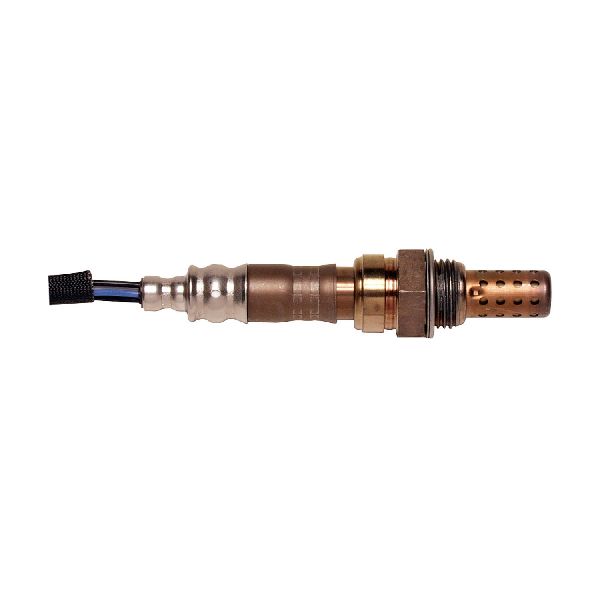
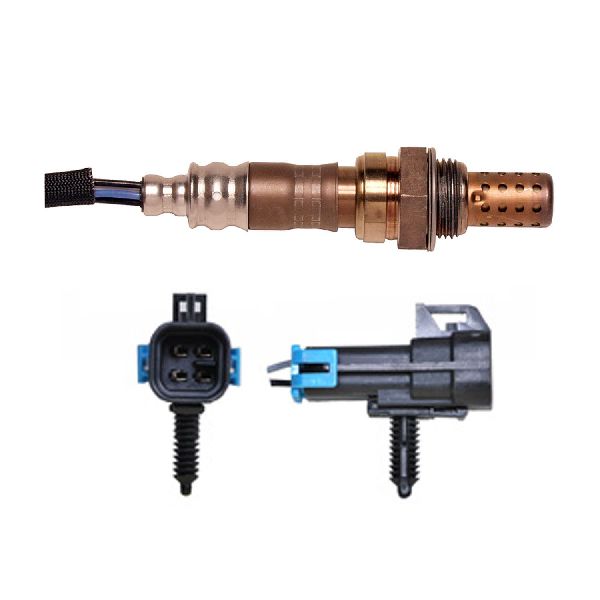
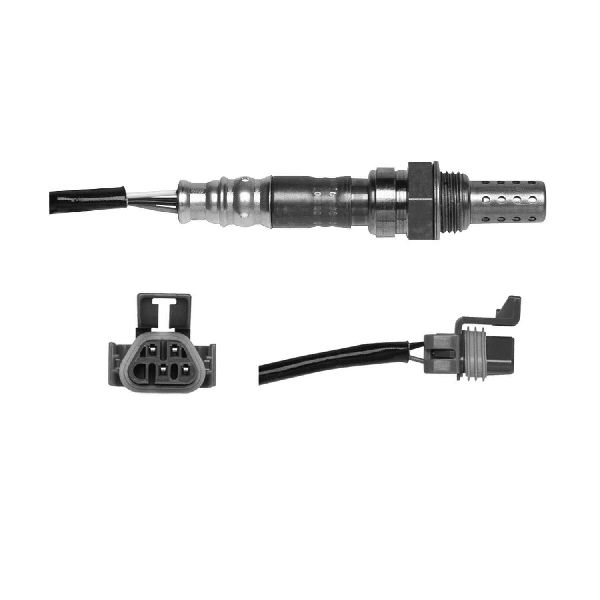


The information in this article is provided for general reference and educational purposes only. Vehicle specifications, procedures, and part compatibility can vary by production date, trim level, and region. Always consult your vehicle's factory service manual and verify part numbers before purchasing or performing repairs. Safety-critical components such as airbags, seat belts, and braking systems should be installed by a qualified professional.
- Chevrolet K3500:
- 🎬 Helpful Videos
- 🛍️ Shop This Part
- Understanding Your K3500's Oxygen Sensors
- Symptoms of a Failing Oxygen Sensor
- Known Issues for This Vehicle
- Choosing the Right Aftermarket Oxygen Sensor
- Tier 1: OEM & Premium OEM-Equivalent
- Tier 2: Reputable Aftermarket
- Tier 3: Budget Options
- Direct-Fit vs. Universal Sensors
- Typical Replacement Costs
- Frequently Asked Questions
- 🎟️ Get 5% Off