

Chevrolet Monte Carlo Engine Coolant Temp Sensor Guide (1996-2000)
Everything a fifth-gen Monte Carlo owner needs to know about a failing engine coolant temperature sensor.
- A failing ECT sensor can cause a Check Engine Light with codes P0117 or P0118, poor fuel economy, and overheating.
- Replacement is a simple, low-cost DIY job that takes less than an hour with basic tools.
- For best results, choose a premium aftermarket brand like ACDelco or Delphi, as they are original equipment suppliers for GM.
- Consider replacing the thermostat at the same time, as it's located nearby and is also an inexpensive wear item.
Is My Monte Carlo's Coolant Temp Sensor Failing?
A bad Engine Coolant Temperature (ECT) sensor can cause a variety of confusing problems. Because the sensor's reading affects so many engine functions, a failure can mimic other issues. The most common signs point to the engine running too rich (too much fuel) or too lean (not enough fuel), or problems with the cooling system itself.
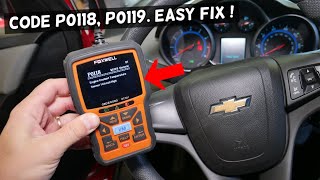
- Check Engine Light: This is often the first sign. Codes like P0117 (Circuit Low Input) 🎬 Watch this quick DIY fix for the P0117 engine code. or P0118 (Circuit High Input) 🎬 See how to troubleshoot P0118 and P0119 temperature sensor codes. point directly to the ECT sensor.
- Poor Fuel Economy: If the sensor incorrectly tells the computer the engine is cold, the system will inject too much fuel, hurting your gas mileage.
- Black Smoke from Exhaust: This is a sign of unburned fuel exiting the exhaust, which can happen if the engine is running too rich due to a bad sensor reading.
- Overheating or Erratic Temp Gauge: The sensor might cause the temperature gauge on your dash to read incorrectly, or it could fail to trigger the cooling fans, leading to actual overheating.
- Cooling Fans Run Constantly: A failed sensor can default to a "fail-safe" mode, causing the cooling fans to run all the time as a precaution, even when the engine is cold.
Choosing the Right Aftermarket ECT Sensor
For the 1996-2000 Monte Carlo, you don't necessarily need to buy an expensive OEM part from the dealer. Several reputable aftermarket brands offer quality replacements that meet or exceed original specifications. Aftermarket parts provide a cost-effective solution without sacrificing reliability.
Brand Quality Tiers
- Premium Aftermarket (e.g., ACDelco, Delphi, NGK): Brands like ACDelco are the original equipment manufacturer for GM, so their "Professional" or "GM Original Equipment" lines are a direct replacement. Delphi is another trusted OEM supplier. NGK is well-known for its sensor technology. These brands are highly recommended for fit and long-term reliability.
- Standard Aftermarket (e.g., Standard Motor Products, Beck Arnley, Walker Products): These brands are well-regarded in the industry and offer a solid balance of quality and price. They are a reliable choice for daily drivers.
- Economy Brands (e.g., Global Parts, True Tech): While these are the most budget-friendly options, their long-term durability can be less consistent. They can be a good choice for a quick fix or if budget is the primary concern, but a premium or standard brand is often worth the small extra investment for peace of mind.
How Much Does a New Sensor Cost?
The cost to replace the ECT sensor is very reasonable, especially if you do it yourself. The part itself is inexpensive, and labor is minimal.
| Item | Estimated Cost |
|---|---|
| New Aftermarket Part | $12.58 - $50.04 |
| New OEM Part | $15 - $40 |
| Shop Labor | $50 - $100 |
Frequently Asked Questions
Where is the ECT sensor located on my 1996-2000 Monte Carlo?
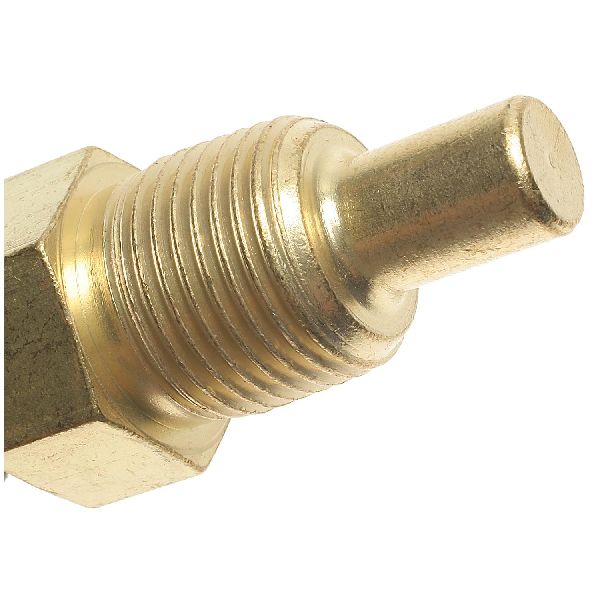
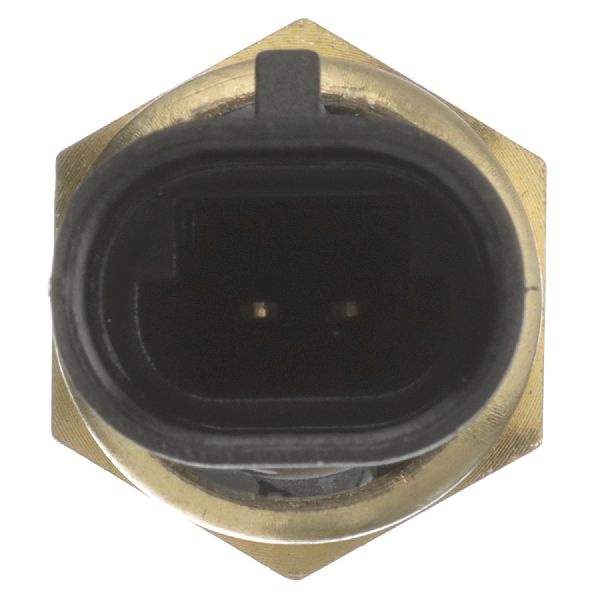
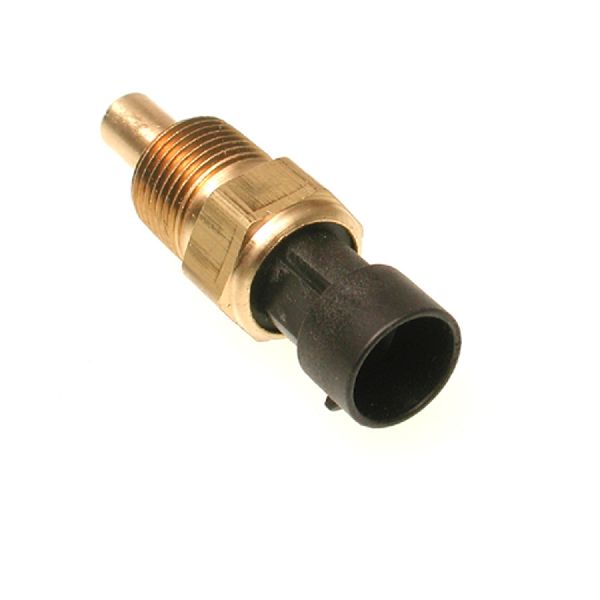
The sensor is located near the thermostat housing. For both the 3.1L and 3.4L V6 engines, you can find it by following the upper radiator hose to where it connects to the engine. The sensor is a small, brass-colored plug with a plastic electrical connector, screwed into the engine block or intake manifold in that area.
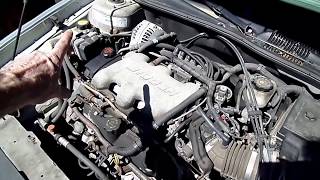
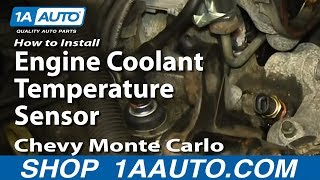
Can I replace this sensor myself? 🎬 Follow this step-by-step guide to replacing your GM V6 sensor.
Yes, this is a very DIY-friendly job. It requires basic hand tools like a socket set and wrench. The main steps are to let the engine cool, disconnect the battery, unplug the sensor's electrical connector, and unscrew the old sensor. Be prepared for a small amount of coolant to spill out. Screw in the new sensor, reconnect it, and top off your coolant if needed.
Are there any recalls for this part?
No, a search of the National Highway Traffic Safety Administration (NHTSA) database shows no recalls or official investigations related to the engine coolant temperature sensor for the 1996-2000 Chevrolet Monte Carlo.
Should I replace the thermostat at the same time?
It's a good idea, especially if your car has high mileage or you're experiencing overheating issues. The thermostat and ECT sensor are located in the same area, and the thermostat is also an inexpensive part. Replacing both at the same time can save you from having to do a similar job twice.
Helpful Videos
![How to Fix CHEVROLET P0118 Engine Code in 3 Minutes [2 DIY Methods / Only $7.33]](https://img.youtube.com/vi/2Qo6yKfu9Zk/mqdefault.jpg)
![How to Fix CHEVROLET P0117 Engine Code in 3 Minutes [2 DIY Methods / Only $7.43]](https://img.youtube.com/vi/jZfBynPZdcc/mqdefault.jpg)
Technical Specifications
OEM Part Numbers: 19236568 213-4514 15326388 12191170 15369305 25037062
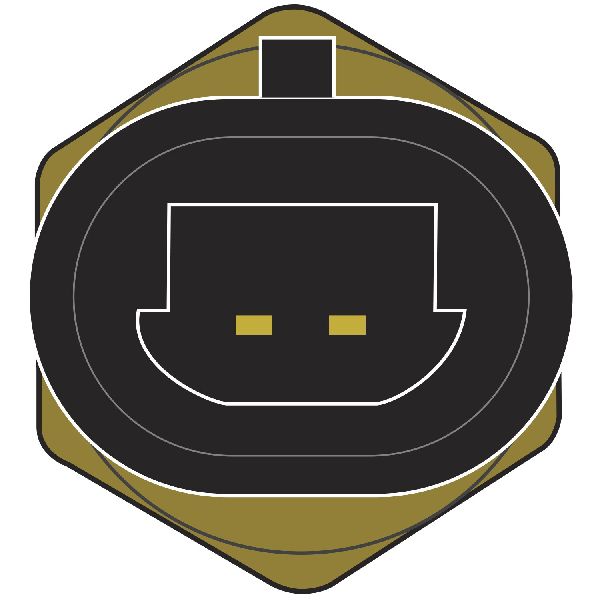
The sensor for the 1996-2000 Monte Carlo typically has a 2-pin male connector and M12x1.5 threads. It is a thermistor that changes resistance based on coolant temperature.
We Have This Part in Stock


The information in this article is provided for general reference and educational purposes only. Vehicle specifications, procedures, and part compatibility can vary by production date, trim level, and region. Always consult your vehicle's factory service manual and verify part numbers before purchasing or performing repairs. Safety-critical components such as airbags, seat belts, and braking systems should be installed by a qualified professional.
- Chevrolet Monte Carlo: