

Chevrolet P30 Oxygen Sensor Guide: 1996-2000 Models
Keep your P30 running efficiently by choosing the right oxygen sensor for your engine.
- For best results, use OEM (ACDelco) or OEM-equivalent brands like Denso and NGK/NTK.
- Your P30 likely has two or four sensors; use a code scanner to identify the exact one that has failed.
- Do not ignore a bad O2 sensor, as it can lead to failure of the expensive catalytic converter.
- Replacement is a feasible DIY job with the right tools, mainly an O2 sensor socket and penetrating oil.
Signs of a Failing Oxygen Sensor in Your P30
When an oxygen sensor starts to fail, it can cause several noticeable problems. Because the P30 chassis is often used for heavy vehicles like RVs and work vans, poor engine performance can be more obvious. Look out for these signs:
- Check Engine Light: This is the most common sign. A code reader will often show codes between P0130 and P0167.
- Worse Fuel Economy: A bad sensor can send incorrect data to the engine's computer, causing it to use more fuel than necessary.
- Rough Idle and Misfires: Your engine may run rough, shake, or misfire, especially at idle or low speeds.
- Failed Emissions Test: An incorrect air-fuel mixture leads to higher emissions, which will cause a failed smog check.
- Rotten Egg Smell: In some cases, a rich-running engine can overheat the catalytic converter, producing a sulfur-like smell.
Driving with a Bad O2 Sensor
While you can technically drive with a failing O2 sensor, it's not recommended for long. Continuing to drive can lead to clogged fuel injectors, damaged spark plugs, and most importantly, a ruined catalytic converter—a much more expensive repair.
How Many Sensors Does a 1996-2000 P30 Have?
The exact number of oxygen sensors depends on your P30's specific engine and exhaust configuration. Most V8 models (like the 5.7L 350 and 7.4L 454) from this era have either two or four sensors:
- Two Sensors: One upstream (before the catalytic converter) and one downstream (after the catalytic converter).
- Four Sensors: If your vehicle has a dual exhaust system, it will likely have two upstream and two downstream sensors, one pair for each exhaust bank.
It is critical to identify which sensor needs replacement. A code scanner can tell you the specific sensor location, such as "Bank 1, Sensor 1" (upstream) or "Bank 2, Sensor 2" (downstream).
Choosing the Right Aftermarket Oxygen Sensor
For GM trucks of this era, the quality of electronic parts matters. While some aftermarket parts work fine, critical sensors like the O2 sensor can be sensitive. Sticking with OEM or high-quality aftermarket brands is a safe bet to avoid performance issues.
Pro Tip: Many forum users and mechanics note that ACDelco sensors for this era are often manufactured by Denso or NGK/NTK. Buying the Denso or NGK equivalent can sometimes get you the same part as the OEM for a lower price.
Brand Tiers for Your Chevrolet P30
Tier 1: OEM & OEM-Equivalent
- ACDelco: As the original GM parts brand, this is the direct replacement and is guaranteed to work. Many owners prefer to stick with ACDelco for electronic components to ensure compatibility.
- Denso: Denso is a known OEM manufacturer for GM and their sensors are considered top quality. They are often identical to the ACDelco part, just in a different box.
- NGK (NTK): NTK is the sensor division of NGK. They are another highly-regarded OEM supplier known for reliability and are a popular choice among mechanics.
Tier 2: Quality Aftermarket
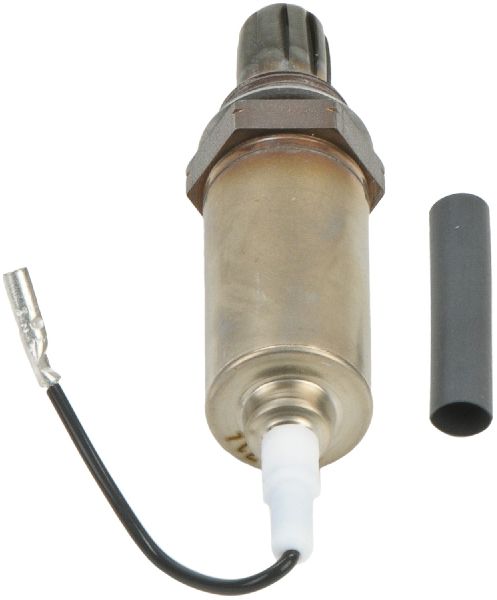
- Bosch: Bosch is a massive OEM supplier for many brands and generally makes high-quality sensors. However, some forums have mixed reviews on their performance in older GM trucks, with some users reporting issues while others have none. Ensure you get the correct part number for your vehicle.
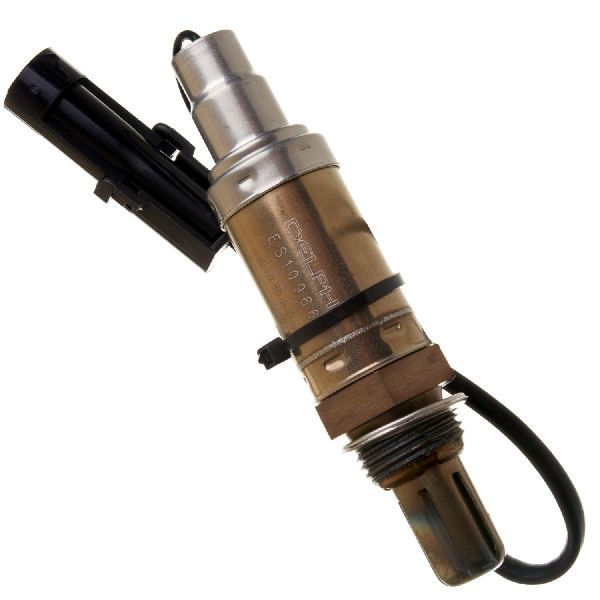
- Delphi: Formerly a part of GM, Delphi parts are generally a solid choice. Quality is considered good, though some users stick to Denso or NGK as primary alternatives to ACDelco.
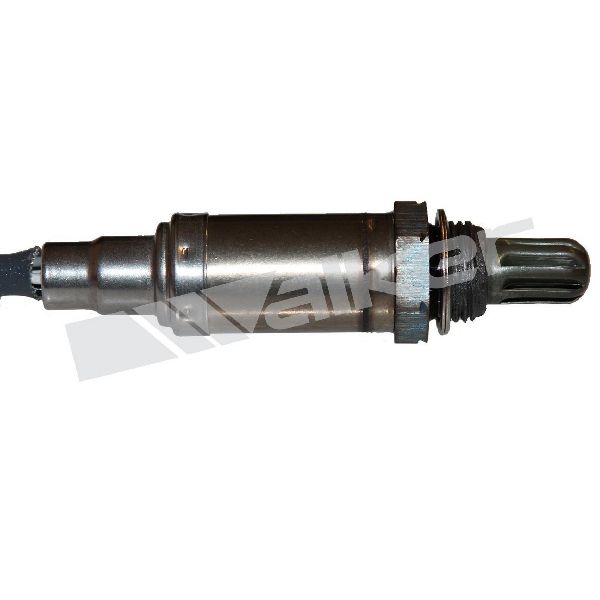
- Walker Products: Walker is a well-known aftermarket exhaust and emissions component company. Their sensors are a viable option if OEM brands are not available.
Tier 3: Budget-Friendly
- DriveWire, Spectra, and other store brands: These brands offer a lower price point. While tempting, they can be a gamble for sensitive electronics. They may not last as long or provide the same precise readings as higher-tier brands, potentially causing persistent, subtle performance issues.
| Brand Tier | Price Range (per sensor) |
|---|---|
| Tier 1 (ACDelco, Denso, NGK) | $45 - $98 |
| Tier 2 (Bosch, Delphi, Walker) | $35 - $70 |
| Tier 3 (Budget Brands) | $28 - $50 |
Frequently Asked Questions
Can I clean my old oxygen sensor instead of replacing it?
Some people attempt to clean a dirty O2 sensor by tapping out soot or using a specific cleaner. However, this is usually a temporary fix at best. O2 sensors fail due to age or internal contamination that cleaning can't fix. For a reliable repair, replacement is the only recommended solution.
Should I replace all the oxygen sensors at once?
It is good practice to replace sensors in pairs (e.g., both upstream sensors) or all at once if they are original and have high mileage. Sensors wear out over time, so if one has failed, the others are likely not far behind. This can save you from another repair in the near future.
What tools do I need to replace an O2 sensor?
You will typically need a special O2 sensor socket, which has a slit for the wire, and a ratchet. A 7/8-inch (22mm) wrench can also work. Because exhaust parts are often rusty, you will likely need penetrating oil to help loosen the old sensor. Always apply anti-seize compound to the threads of the new sensor before installation (most new sensors include a small packet).
Are there any recalls for the 1996-2000 P30 oxygen sensor?
No recalls were found specifically for oxygen sensors on the 1996-2000 Chevrolet P30 after checking NHTSA data. There are also no widespread Technical Service Bulletins (TSBs) related to this specific part and vehicle.
Technical Specifications
OEM Part Numbers: 10221960 25132819 25164155 1256943
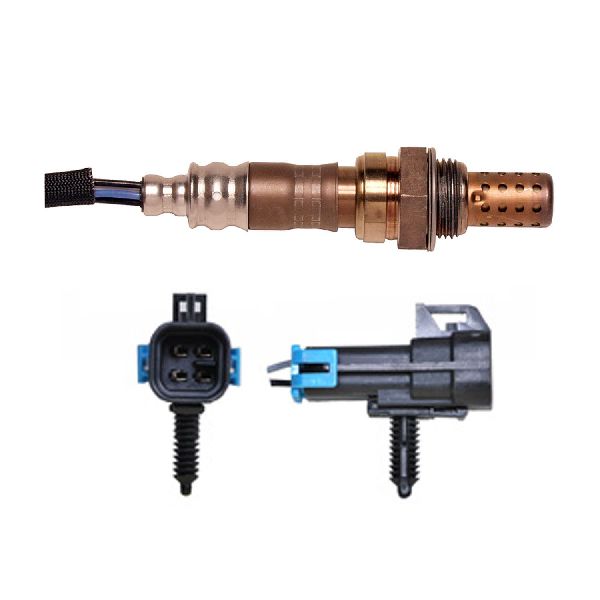
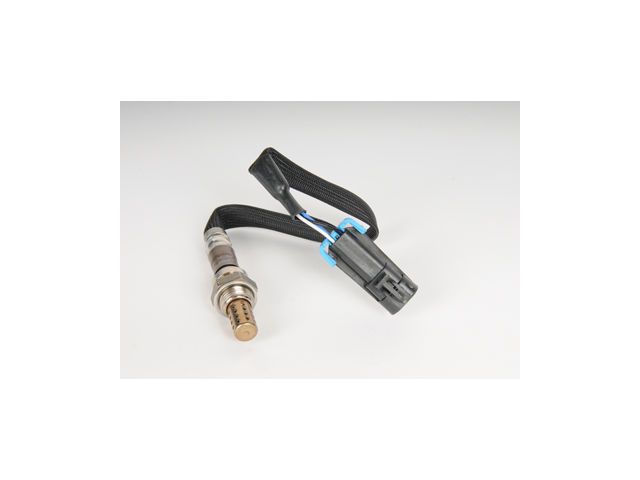
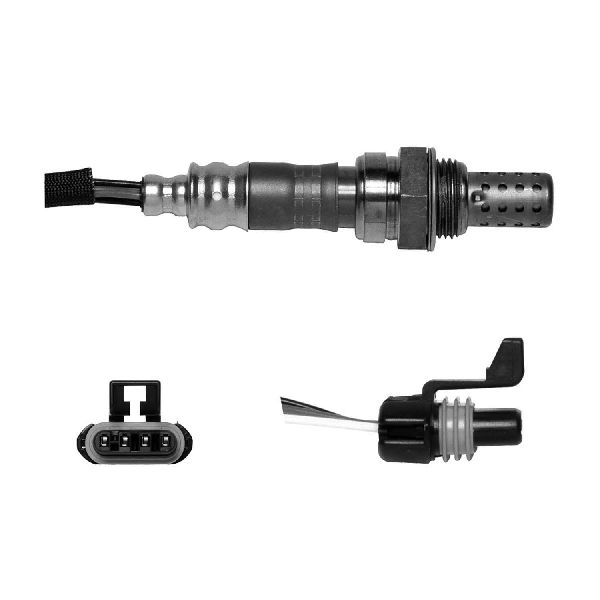
Sensors for the 1996-2000 P30 are typically 4-wire heated types. The physical length of the wire harness varies depending on whether it is an upstream or downstream sensor, so it is crucial to order the correct part for the specific location.
We Have This Part in Stock

The information in this article is provided for general reference and educational purposes only. Vehicle specifications, procedures, and part compatibility can vary by production date, trim level, and region. Always consult your vehicle's factory service manual and verify part numbers before purchasing or performing repairs. Safety-critical components such as airbags, seat belts, and braking systems should be installed by a qualified professional.
- Chevrolet P30: