

Choosing the Right Replacement Brake Pads for Your 1996-2000 Dodge Caravan
Stop brake noise and improve your minivan's stopping power by selecting the best new aftermarket pads for the job.
- For most owners, a quality ceramic aftermarket pad from a brand like Bosch, Wagner, or Raybestos provides the best mix of quiet performance and value.
- Always service the caliper slide pins. Seized pins are a very common cause of uneven pad wear on these vans.
- It is strongly recommended to replace the brake rotors at the same time as the pads to ensure smooth, powerful, and quiet braking.
- If you hear a grinding noise, stop driving. The pads are completely worn out, creating a dangerous situation and destroying your rotors.
Symptoms of Worn-Out Brake Pads
Your Caravan will give you clear warnings when the brake pads are nearing the end of their service life. Ignoring these signs can lead to more dangerous driving conditions and more expensive repairs down the road.
- High-Pitched Squealing: Most brake pads have a small metal tab called a wear indicator. When the pad material gets thin, this tab scrapes against the brake rotor, making a high-pitched squeal when you apply the brakes. This is your first and most common warning.
- Metallic Grinding Noise: If you hear a deep, harsh grinding sound, stop driving as soon as it is safe to do so. This means the friction material is completely gone, and the metal backing plate of the pad is grinding against the metal rotor. This is a critical safety failure.
- Longer Stopping Distances: If you notice your van takes more time and distance to stop than it used to, your pads are likely too worn to create the necessary friction.
- Vehicle Pulling to One Side: When you brake, if the van pulls to the left or right, it can indicate that the brakes on one side are not working as well as the other. This can be caused by a seized caliper or unevenly worn pads.
- Brake Pedal Pulsation: A pulsing or vibrating feeling in the brake pedal, especially during firm stops, is usually caused by warped brake rotors. Rotors often warp from the high heat of braking, and it's a strong sign they should be replaced along with your pads.
Choosing the Right Aftermarket Brake Pads
For a vehicle like the 1996-2000 Caravan, high-quality aftermarket brake pads offer the best combination of performance and value. Original OEM Mopar parts are an option, but for a vehicle of this age, they are often unnecessarily expensive. The most important decision is choosing the right pad material and quality tier for your needs.
Pad Material: Ceramic vs. Semi-Metallic
The friction material is what does the work. For your Caravan, the choice is usually between ceramic and semi-metallic pads.
- Ceramic Pads: This is the best choice for the vast majority of Caravan owners. Ceramic pads are known for being very quiet, producing very little brake dust (which keeps your wheels cleaner), and offering a long service life. They provide smooth, consistent stopping power perfect for daily driving.
- Semi-Metallic Pads: These pads contain metal fibers. They can offer slightly better stopping power in extreme conditions like towing heavy loads. However, they are generally noisier and produce much more noticeable black brake dust than ceramic pads.
Pro Tip: For typical family use, a quality set of ceramic brake pads is the recommended choice for a quiet ride and clean wheels.
Aftermarket Brand Tiers
Many brands offer different quality levels. For your Caravan, think of them in these tiers:
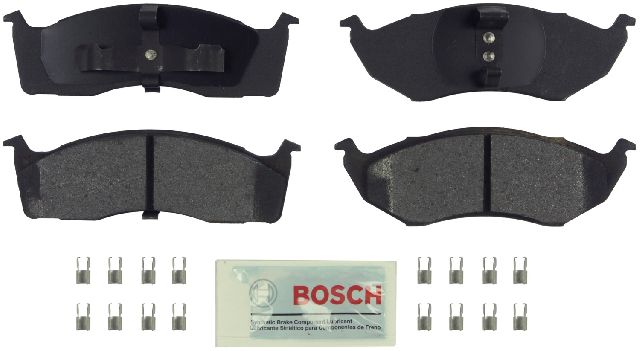
- Daily Driver (Recommended): This tier offers the best balance of price, performance, and durability. Brands like Bosch QuietCast, Wagner ThermoQuiet, Raybestos, and Centric Posi-Quiet are excellent choices. They are designed to meet or exceed original factory performance with quiet operation and reliable stopping power.
- Premium: Brands like Akebono or hybrid pads like Raybestos Element3 offer enhanced features, such as even quieter operation or improved bite. These are a great upgrade but may be more than what's necessary for a 20+ year-old minivan.
- Economy: While these are the most affordable, they are often a trade-off. Economy pads are known for being noisier, creating more dust, and wearing out faster. They will stop the vehicle, but you sacrifice the quiet, clean operation of a better-quality pad.
Known Issues, Recalls, and TSBs
While there are no major open recalls for the brake pads themselves on the 1996-2000 Dodge Caravan, Chrysler did issue several Technical Service Bulletins (TSBs) related to brake noise. TSBs were released for the 1996 models to address rear brake moaning and rubbing noises (TSB #050297, #050197) and for later models concerning water entering the rear drums. Another TSB was noted for the 1999 model year regarding front brake roughness. This history shows that brake noise has been a known issue, making the choice of a quality, quiet ceramic pad even more important.
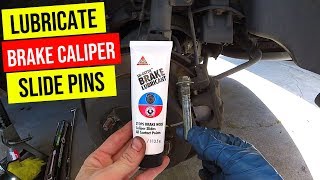
Common Problem: Seized Caliper Pins. A very common issue on these vans is uneven brake pad wear, where the inner pad is worn completely while the outer pad looks new. This is almost always caused by seized or sticky caliper slide pins. These pins must be removed, cleaned of all rust and old grease, and lubricated with new high-temperature brake grease 🎬 See how to properly clean and lubricate your caliper slide pins. during every brake job to ensure the caliper can move freely.
| Part Type | Estimated Cost |
|---|---|
| New Aftermarket Brake Pad Set | $21 - $77 |
| New OEM (Mopar) Brake Pad Set | $80 - $150 |
| Shop Labor for Installation | $100 - $200 |
Frequently Asked Questions (FAQ)
Should I replace my rotors when I replace my pads?
Yes, it is highly recommended. Replacing rotors and pads together ensures the new pads have a perfectly smooth, flat surface to bed into. This provides the best possible stopping performance and prevents vibration or shuddering from warped old rotors. Given the weight of the Caravan, rotors work hard and are prone to warping.
Why are my new brakes squeaking?
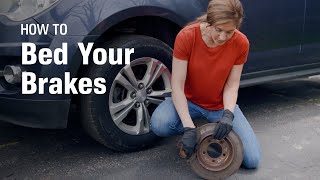
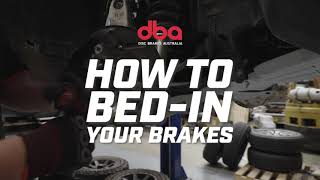
New brakes can squeak for a few reasons. Cheaper, economy pads are more prone to noise. Another common cause is failing to apply brake grease to the contact points on the back of the brake pads and on the caliper hardware. Finally, all new pads require a "bed-in" procedure (a series of controlled stops) to properly mate the pad material to the rotor surface; check the instructions included with your new pads.
🎬 Watch this video to learn how to properly bed your brakes.How difficult is it to replace the brake pads myself?
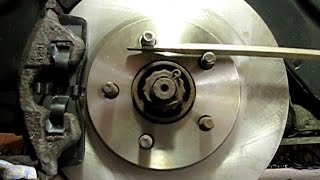
For the front wheels, this is a very DIY-friendly job for someone with basic mechanical skills and tools. You will need a jack and jack stands, a lug wrench, a 10mm wrench or socket, and a large C-clamp to compress the caliper piston. 🎬 Watch this step-by-step guide to replacing your front pads and rotors. The most critical step is cleaning and lubricating the caliper slide pins.
How often should I replace my Caravan's brake pads?
There is no set mileage. It depends entirely on the type of pads, your driving style (city vs. highway), and how much weight you carry. The best way to know is to listen for the squeal from the wear indicators and have the pad thickness checked during regular tire rotations.
Helpful Videos
Technical Specifications
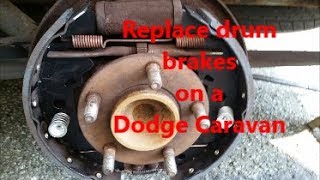
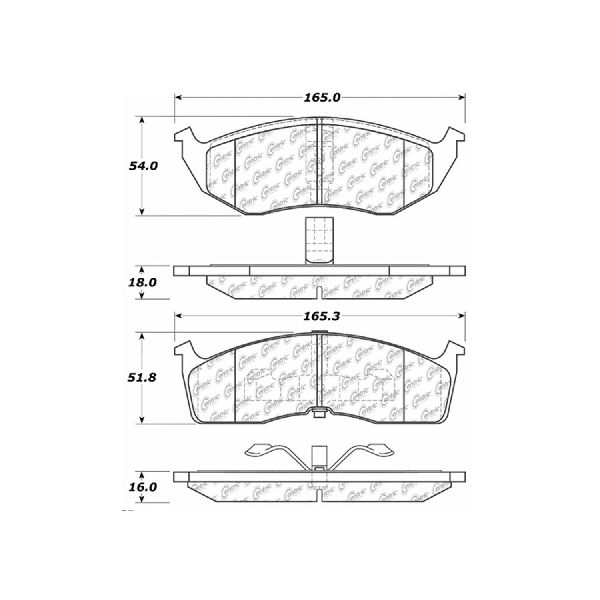
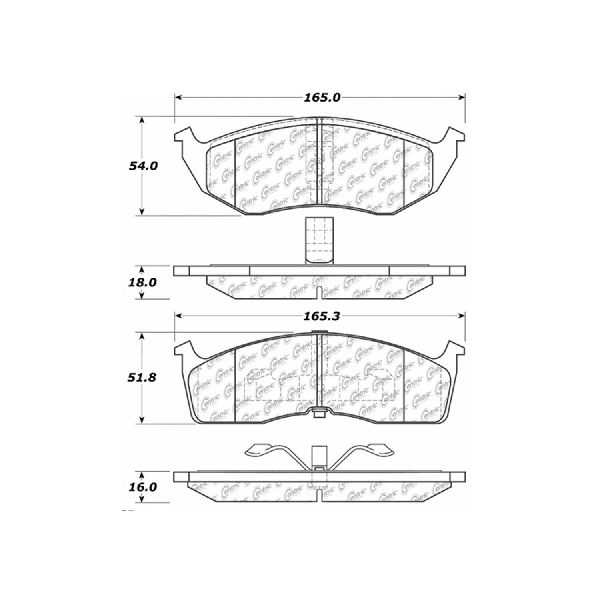
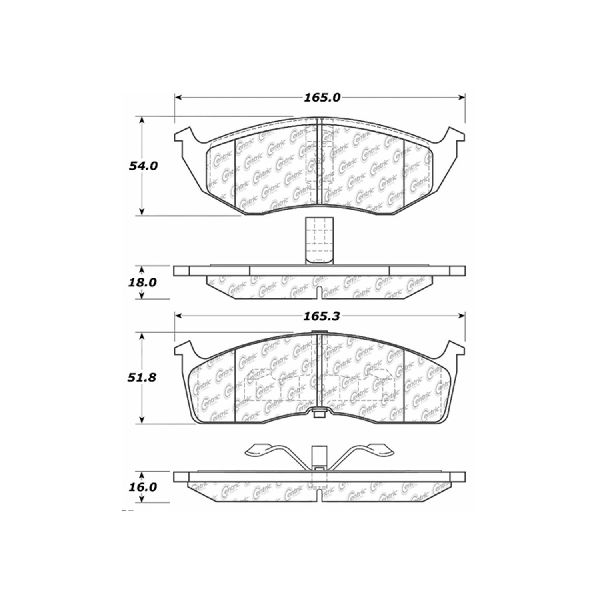
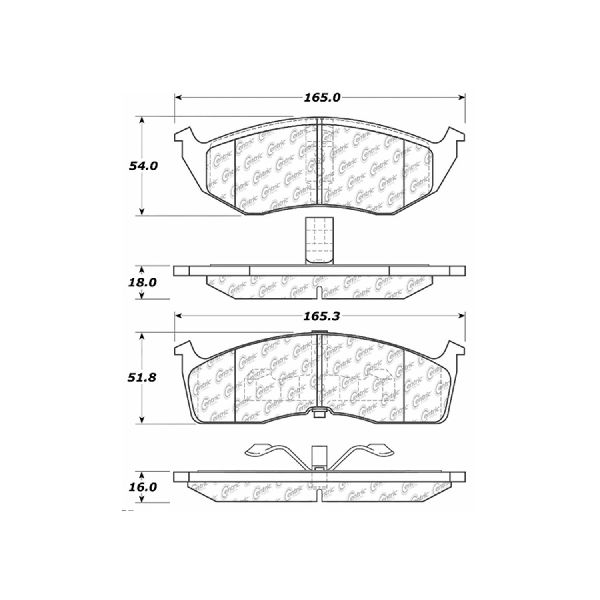
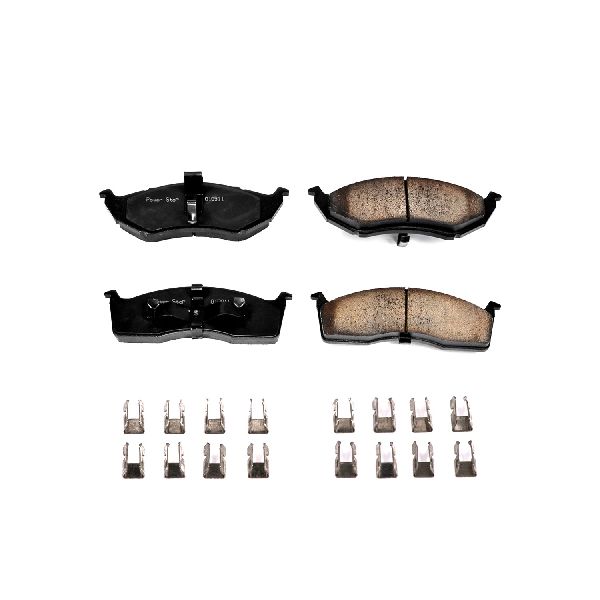
Brake pad sets are specific to the front or rear axle. The 1996-2000 Dodge Caravan uses disc brakes on the front wheels and typically drum brakes on the rear, although some models may have rear discs. Always verify fitment for your specific vehicle configuration (front/rear) before purchasing.
We Have This Part in Stock

The information in this article is provided for general reference and educational purposes only. Vehicle specifications, procedures, and part compatibility can vary by production date, trim level, and region. Always consult your vehicle's factory service manual and verify part numbers before purchasing or performing repairs. Safety-critical components such as airbags, seat belts, and braking systems should be installed by a qualified professional.
- Dodge Caravan: