

A Practical Guide to Oxygen Sensors for the 1996-2000 Dodge Dakota
Solve poor fuel economy and rough running by choosing the right O2 sensor for your truck.
- Your Dakota likely has two or four O2 sensors; confirm the location of the bad sensor before buying.
- For best results, choose an OEM-equivalent brand like NTK or Denso, as these trucks can be picky.
- Using a special O2 sensor socket will make the replacement job much easier.
- Replacing a bad O2 sensor is a cost-effective way to restore fuel economy and engine performance.
Understanding Your Dakota's Oxygen Sensors

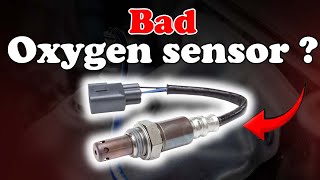
If your 1996-2000 Dodge Dakota is running rough, getting bad gas mileage, or has the check engine light on, a faulty oxygen sensor is a common culprit. These sensors live in a harsh environment and have a limited lifespan, typically needing replacement after 60,000 to 100,000 miles. Replacing them is a straightforward job that can restore performance and fuel efficiency.
Symptoms of a Failing O2 Sensor

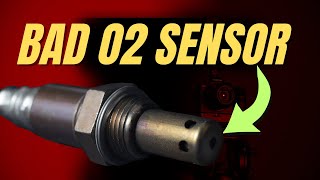
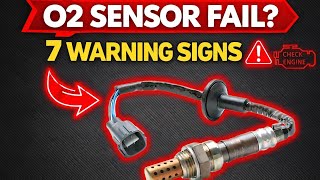
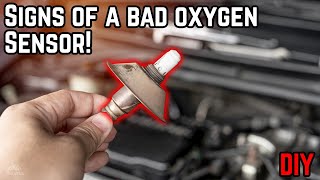
A bad O2 sensor can cause a few noticeable problems. The most obvious is a Check Engine Light with codes related to the O2 sensor heater circuit, high or low voltage, or lean/rich conditions (such as P0132, P0135, P0138, P0158, or P0171). You'll also likely experience poor fuel economy as the engine computer defaults to a rich fuel mixture to protect the engine. Other symptoms include a rough idle, hesitation, or a general lack of power. In some cases, you might also notice a smell of rotten eggs or see black smoke from the exhaust.
A Note on Brand Selection
Dodge Dakotas from this era can be particularly sensitive to the brand of oxygen sensor used. Forum discussions and owner experiences consistently show that these trucks run best on OEM-equivalent brands like NGK/NTK and Denso. While brands like Bosch are reputable, some owners report issues like delayed sensor activation when cold or compatibility problems when mixing brands. For best results and to avoid replacing the part twice, sticking with NTK or Denso is highly recommended.
Choosing the Right Aftermarket O2 Sensor

When shopping for a new oxygen sensor, it's helpful to think in tiers of quality and compatibility:
- Tier 1 (OEM-Equivalent): NGK/NTK, Denso. These brands are often the original equipment manufacturers and are widely recommended by Dakota owners for their reliability and perfect compatibility. They provide the best assurance of a first-time fix without compatibility headaches.
- Tier 2 (Reputable Aftermarket): Bosch, Delphi. These are quality brands that produce reliable sensors. However, some Dakota owners have reported issues, so it's best to replace all sensors with the same brand if you choose this route to ensure consistent performance.
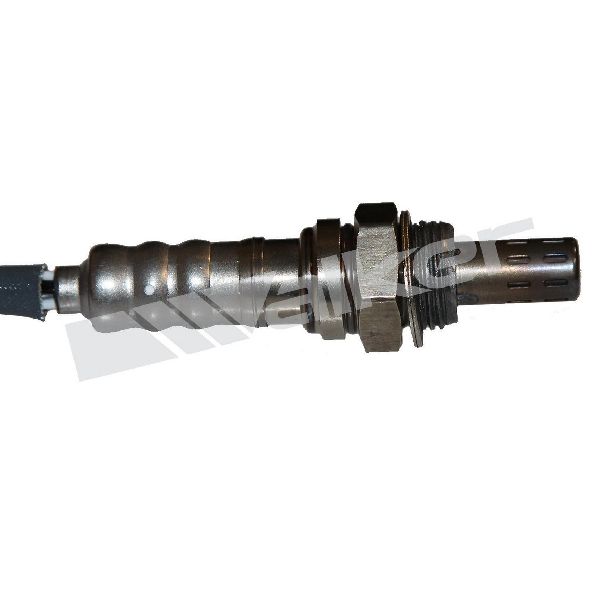
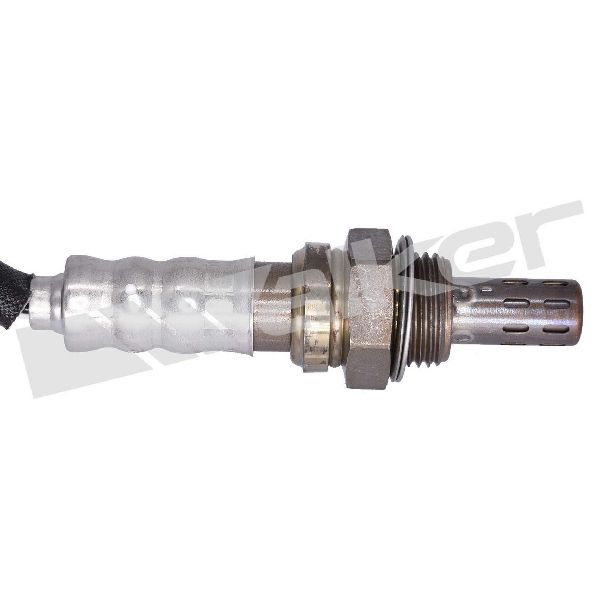
- Tier 3 (Budget-Friendly): DriveWire, Spectra, Walker, Vemo. These brands offer a lower price point. They can be a viable option if budget is the primary concern, but they may not offer the same longevity or precise performance as higher-tier brands.
How Many O2 Sensors Does My Dakota Have?

The number of sensors depends on your truck's specific year and emissions configuration. Most 1996-2000 V6 and V8 Dakotas have either two or four sensors.
- Upstream (Bank 1, Sensor 1 and Bank 2, Sensor 1): Located on the exhaust manifolds or downpipes before the catalytic converter. These are the primary sensors for fuel control.
- Downstream (Bank 1, Sensor 2 and Bank 2, Sensor 2): Located after the catalytic converter to monitor its performance. Some 1999 models have a unique setup with three upstream sensors.
Pro Tip: Get the Right Tool
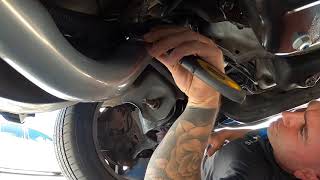
A special tool called an O2 sensor socket makes removal and installation much easier. This socket has a slit down the side to accommodate the sensor's wire. While you can sometimes use a standard wrench, the sensors are often seized in the exhaust pipe, and this tool provides a much better grip, preventing damage to the sensor or your knuckles.
Cost of Replacing an Oxygen Sensor on a 1996-2000 Dodge Dakota
| Part/Service | Estimated Cost |
|---|---|
| New Aftermarket O2 Sensor | $34 - $98 |
| New OEM Mopar O2 Sensor | $75 - $220 |
| Shop Labor | $100 - $200 |
| Total (DIY) | $34 - $98 |
| Total (Installed at Shop) | $134 - $420 |
Frequently Asked Questions

What's the difference between an upstream and downstream sensor?
The upstream sensor (before the catalytic converter) is the most important for engine performance, as it directly controls the air-fuel mixture. The downstream sensor (after the converter) primarily checks if the converter is working correctly. A failing upstream sensor will cause immediate performance and fuel economy issues.
Can I clean my old O2 sensor instead of replacing it?
It is not recommended. The sensing element inside is delicate and cleaning methods are ineffective and can cause damage. Given the reasonable cost of a new sensor, replacement is always the better option for a reliable repair.
Do I need to disconnect the battery to change an O2 sensor?
Yes, it is always a good safety practice to disconnect the negative battery terminal before working on any part of your vehicle's electrical system. This also helps reset the engine computer, which will then re-learn fuel trims with the new, functioning sensor.
Are there any recalls for the oxygen sensors on these trucks?
No, there are no specific recalls for oxygen sensors on the 1996-2000 Dodge Dakota. However, there were other recalls for this generation, so it's always wise to check your VIN for any open safety recalls.
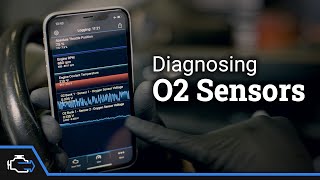
Helpful Videos

Technical Specifications
OEM Part Numbers: 56028586AA 56028766AA 56041702AA 56029049AA 56041212AE 56041213AG
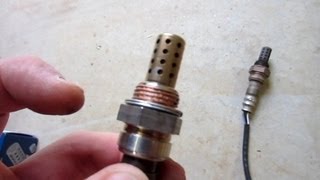
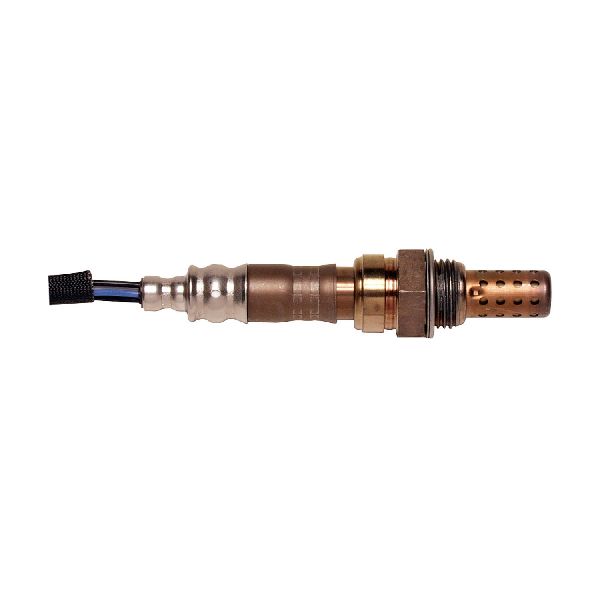
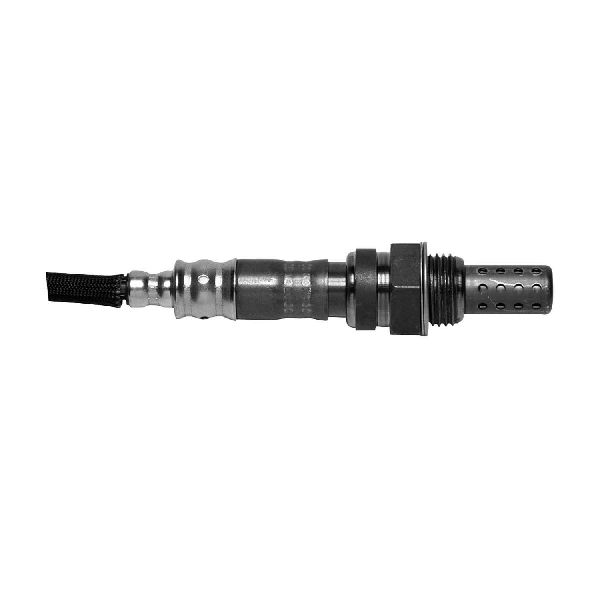
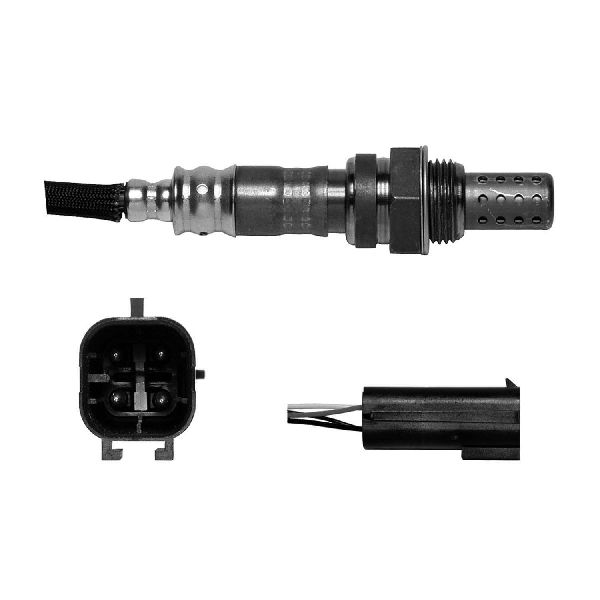
Typically 3-wire or 4-wire heated sensors with vehicle-specific connectors. Thread size is commonly M18x1.5. New sensors should come with anti-seize compound on the threads.
We Have This Part in Stock


The information in this article is provided for general reference and educational purposes only. Vehicle specifications, procedures, and part compatibility can vary by production date, trim level, and region. Always consult your vehicle's factory service manual and verify part numbers before purchasing or performing repairs. Safety-critical components such as airbags, seat belts, and braking systems should be installed by a qualified professional.
- Dodge Dakota:
- 🎬 Helpful Videos
- 🛍️ Shop This Part
- Understanding Your Dakota's Oxygen Sensors
- Symptoms of a Failing O2 Sensor
- A Note on Brand Selection
- Choosing the Right Aftermarket O2 Sensor
- How Many O2 Sensors Does My Dakota Have?
- Pro Tip: Get the Right Tool
- Cost of Replacing an Oxygen Sensor on a 1996-2000 Dodge Dakota
- Frequently Asked Questions
- 🎟️ Get 5% Off