

A/C Evaporator Core Guide for 1996-2000 Ford Explorer
If your Explorer's A/C is blowing warm, the evaporator core might be the problem. Here’s what you need to know before you buy a new one.
- Evaporator replacement on this Explorer is a very labor-intensive job, so choose a quality part to avoid a repeat repair.
- Symptoms include warm A/C air, a musty smell from the vents, and wet passenger-side floorboards.
- Always replace the A/C accumulator/drier and orifice tube at the same time as the evaporator to ensure system longevity.
- For this repair, a reputable aftermarket brand like Four Seasons or Spectra offers a good balance of quality and value.
Is Your Explorer's A/C Evaporator Failing?
A failing A/C evaporator core in a 1996-2000 Ford Explorer will give you clear signs that something is wrong. Because it's buried in the dashboard, you want to be sure it's the problem before starting the repair. Look for these common symptoms:
- Weak or Warm Air: This is the most common sign. If the air from your vents isn't cold, even after you've checked the refrigerant level, the evaporator may be leaking or clogged.
- Musty Smell: A moldy or musty odor from the vents when you turn on the A/C points to moisture and mold building up on a faulty evaporator core.
- Wet Floorboards: If you notice dampness or a puddle on the passenger side floor, the evaporator's drain might be clogged, or the unit itself could be leaking condensation into the cabin.
- A/C Compressor Won't Turn On: If the evaporator has a significant refrigerant leak, the system's pressure will drop too low. Safety switches will then prevent the A/C compressor from turning on to avoid damage.
- Foggy Windows: A malfunctioning evaporator can cause excess condensation, leading to windows that fog up easily and are hard to clear.
Heater Core vs. Evaporator Core Leaks
A sweet, coolant-like smell inside the cabin is a sign of a leaking heater core, not the A/C evaporator. Refrigerant from the A/C system is mostly odorless. Both parts are located in the same area, but the smell is a key difference in diagnosis.
Replacing the Evaporator: A Major Job
Replacing the A/C evaporator core on the second-generation Ford Explorer is a difficult and time-consuming task. Unlike some vehicles where the entire dashboard must be removed, on many 1996-2000 Explorers, the evaporator is located in a housing on the passenger side of the engine bay. However, accessing it requires removing numerous components like the air intake, coolant reservoir, and cruise control servo. The bolts holding the housing are often in hard-to-reach places and may be rusted. This is a job that requires significant patience and mechanical skill. Because of the high labor involved, you want to use a quality part to avoid doing the job twice.
Choosing the Right Aftermarket Evaporator
For a vehicle of this age, new OEM parts are often expensive or discontinued. Aftermarket parts are the most practical choice. The key is to balance cost with quality, especially for a labor-intensive part like an evaporator.
OEM vs. Aftermarket Quality:
While OEM parts are made to the original factory specs, a quality aftermarket part can be just as reliable. For a 25-year-old truck, the cost savings of aftermarket usually makes the most sense. The most important factor is choosing a reputable brand to ensure proper fit and durability. Some forum users have noted that aftermarket parts can sometimes have minor fitment issues, like needing to slightly enlarge a screw hole, but generally work well.
Available Brands:
- Four Seasons: A very common and widely available aftermarket brand. It's generally considered a reliable mid-tier option for daily drivers. Forum discussions show it's a popular choice, though like any mass-market brand, occasional defects can occur.
- Spectra Premium: Often compared directly with Four Seasons, Spectra is another well-regarded aftermarket brand. Some users have had good long-term experiences with their heater cores and radiators, suggesting similar quality for evaporators.
- Global Parts (GPD) / UAC: These brands often fall into the "economy" or "value" tier. While they offer significant cost savings, some user reviews mention higher failure rates for components like compressors compared to brands like Four Seasons. For a part this difficult to replace, spending a little more on a more established brand may be wise.
Pro Tip: Replace More Than Just the Evaporator
Anytime you open the A/C system, it is critical to also replace the A/C accumulator/drier and the orifice tube. The accumulator absorbs moisture that can destroy the system from the inside, and its internal desiccant has a limited lifespan. Failing to replace these small, inexpensive parts can cause your new evaporator or compressor to fail prematurely.
Cost to Replace a 1996-2000 Ford Explorer A/C Evaporator
| Part Type | Estimated Cost |
|---|---|
| New Aftermarket Evaporator Core | $83.91 - $111.57 |
| Shop Labor | $550 - $800+ |
| A/C System Recharge | $150 - $500 |
| Total Professional Replacement | $780 - $1,400+ |
Note: Costs are estimates and will vary based on your location and the specific repair shop. The labor cost is high due to the difficulty of the job.
Frequently Asked Questions (FAQ)
Are there any recalls on the 1996-2000 Explorer A/C evaporator?
No, searches of the National Highway Traffic Safety Administration (NHTSA) database did not find any recalls specifically for the A/C evaporator core on 1996-2000 Ford Explorers. Any recalls found for Ford Explorers were for much newer model years and different components.
Is there a TSB for A/C issues on this Explorer?
No relevant Technical Service Bulletins (TSBs) were found for the A/C evaporator core itself on the 1996-2000 models. Some owners of this generation Explorer report issues with the blend door, which controls air temperature, as a common failure point that can be mistaken for an A/C problem.
Can I replace the evaporator core myself?
This is an advanced DIY repair. While it doesn't require removing the entire dashboard, it involves disconnecting A/C lines (which requires special tools and proper handling of refrigerant), removing many engine bay components, and working in tight spaces. It is feasible for an experienced home mechanic, but a novice should likely leave this to a professional.
Do I need special tools to replace the evaporator?
Yes. You will need a set of A/C line disconnect tools to safely separate the refrigerant lines from the evaporator. You will also need access to an A/C recovery machine to legally and safely remove the old refrigerant before starting, and vacuum/recharge equipment to properly refill the system after the repair.
Technical Specifications
OEM Part Numbers: YL5Z19850CC XL2Z19850LC
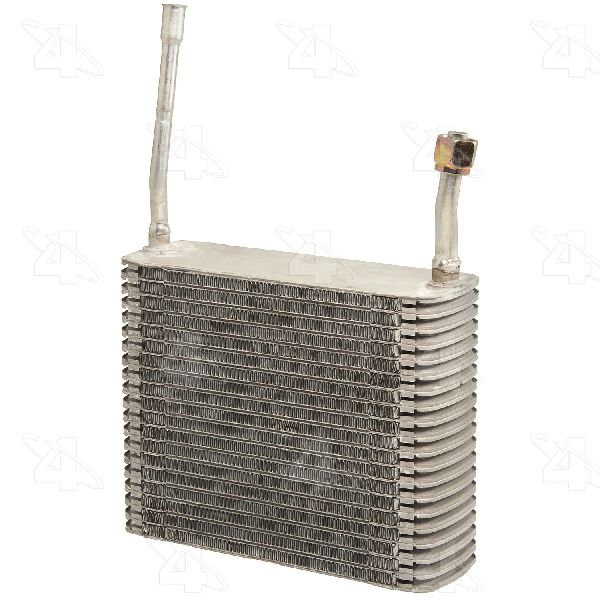
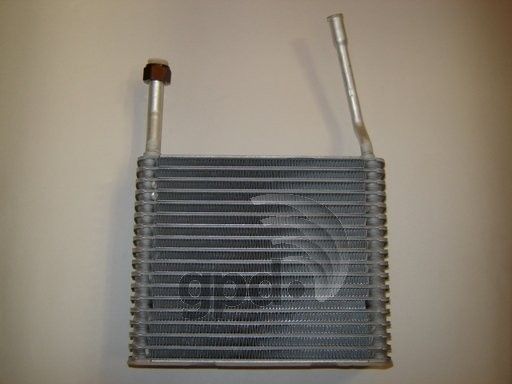
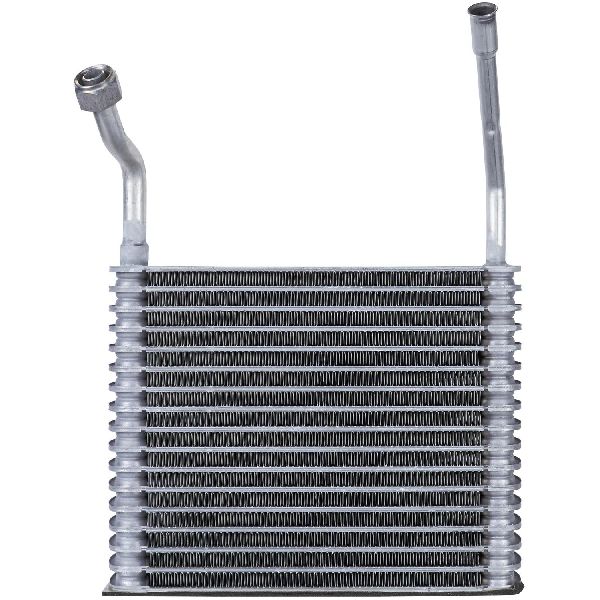
Located in HVAC housing in the engine bay on the passenger side. Made of aluminum. Requires R-134a refrigerant.
We Have This Part in Stock

The information in this article is provided for general reference and educational purposes only. Vehicle specifications, procedures, and part compatibility can vary by production date, trim level, and region. Always consult your vehicle's factory service manual and verify part numbers before purchasing or performing repairs. Safety-critical components such as airbags, seat belts, and braking systems should be installed by a qualified professional.
- Ford Explorer:
- 🛍️ Shop This Part
- Is Your Explorer's A/C Evaporator Failing?
- Heater Core vs. Evaporator Core Leaks
- Replacing the Evaporator: A Major Job
- Choosing the Right Aftermarket Evaporator
- Pro Tip: Replace More Than Just the Evaporator
- Cost to Replace a 1996-2000 Ford Explorer A/C Evaporator
- Frequently Asked Questions (FAQ)
- 🎟️ Get 5% Off