

Ford F-250 Oxygen Sensor Guide: 1996-2000
Everything F-250 owners need to know about replacing a faulty oxygen sensor to restore fuel economy and performance.
- Stick to trusted aftermarket brands like Bosch, Denso, or NGK/NTK for reliability; they are often the original equipment manufacturer.
- Confirm if you need an upstream or downstream sensor before ordering, as they are different.
- A special O2 sensor socket is highly recommended for DIY replacement to avoid stripping the old sensor.
- If an O2 sensor fails repeatedly, investigate other potential engine issues like fuel pressure problems or injector leaks.
Is a Bad Oxygen Sensor a Big Deal?
Yes, it can be. A failing oxygen sensor feeds bad information to your truck's computer. This can cause the engine to run too rich (too much fuel) or too lean (not enough fuel). This leads to poor fuel economy, a rough idle, and potentially failing an emissions test. Over time, a bad sensor can even damage your expensive catalytic converter. If your check engine light is on, it's important to get the codes read to see if a faulty O2 sensor is the culprit.
🎬 Watch this video to learn more about common O2 sensor symptoms.Symptoms of a Failing O2 Sensor on a 1996-2000 F-250
- Check Engine Light: The most common sign. Codes like P0130, P0133, P0171, or P0172 often point to an O2 sensor issue.
- Poor Fuel Economy: One of the first things owners notice. A bad sensor can cause the engine to use more fuel than necessary.
- Rough Idle or Misfires: The engine may shake, stutter, or run unevenly, especially when stopped.
- Sluggish Performance: Your truck may feel hesitant or slow to accelerate because the air-fuel mixture is off.
- Black Smoke or Rotten Egg Smell: Black smoke can indicate a rich fuel mixture, while a sulfur or rotten egg smell can mean the catalytic converter is struggling with an incorrect mixture.
Known Issues & Recalls
Searches of the National Highway Traffic Safety Administration (NHTSA) database and for Technical Service Bulletins (TSBs) did not reveal any specific recalls or widespread TSBs for oxygen sensors on the 1996-2000 Ford F-250. However, owners in forums report that repeated sensor failure can be a symptom of another problem, like a fuel pressure regulator issue or leaking injectors causing a rich condition that fouls the new sensor.
Choosing the Right Aftermarket Oxygen Sensor
You don't need to buy the most expensive sensor, but you should stick with trusted brands. For Ford trucks of this era, reliability is key. Aftermarket sensors are often made by the same companies that supply the original parts.
Brand Quality Tiers for Your F-250
- Top Tier (OEM-Quality): Brands like Bosch, Denso, and NGK/NTK are highly recommended by mechanics and F-250 owners. These companies are often the original equipment manufacturers for Ford and other automakers. They are known for their reliability and long life. RockAuto even lists NTK as Original Equipment for some models.
- Mid-Tier (Reliable Aftermarket): Delphi and Walker Products are solid choices that offer good performance and value. They are well-known in the aftermarket world and provide a dependable alternative to the top-tier brands.
- Budget Tier (Value-Focused): Brands like DriveWire, Spectra, and Vemo offer a lower price point. While they can get the job done, especially for an older truck, their longevity and performance might not match the higher-tier brands. These are best if you're on a tight budget and need a quick fix.
Pro Tip: Upstream vs. Downstream
Before you buy, confirm if you need an upstream (before catalytic converter) or downstream (after catalytic converter) sensor. They are not always interchangeable. Also, check if your truck is a California emissions model, as it may have more sensors than a standard 49-state model. Most F-250s from this period have two sensors unless they are a California emissions vehicle.
Cost of Replacing an F-250 Oxygen Sensor
| Part Type | Estimated Cost |
|---|---|
| New Aftermarket | $34.81 - $83.82 |
| New OEM (Motorcraft) | $70 - $140 |
| Shop Labor | $80 - $150 |
Frequently Asked Questions
How many O2 sensors does a 1996-2000 F-250 have?
Most 1996-2000 F-250s have two oxygen sensors: one upstream (before the cat) and one downstream (after the cat). However, some OBD-I models from 1996 may only have one, and California-spec vehicles might have more. It's always best to visually inspect your exhaust system to be sure.
Can I replace just one oxygen sensor?
Yes. You only need to replace the sensor that has failed. However, O2 sensors age over time. If your truck has high mileage (over 100,000 miles), it's sometimes a good preventative measure to replace them in pairs (e.g., both upstream sensors) to ensure balanced performance.
Is replacing an O2 sensor a DIY job?
Yes, it is often a feasible DIY job. The main challenge is that the sensors can be rusted tightly into the exhaust pipe. Using a special O2 sensor socket and plenty of penetrating oil is highly recommended. Letting the truck run for a minute to slightly warm the exhaust can sometimes help break it loose, but be careful of hot pipes.
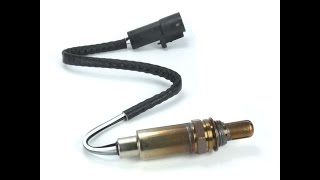
🎬 See how to replace an O2 sensor on a 1997 Ford.What's the difference between a direct-fit and a universal sensor?
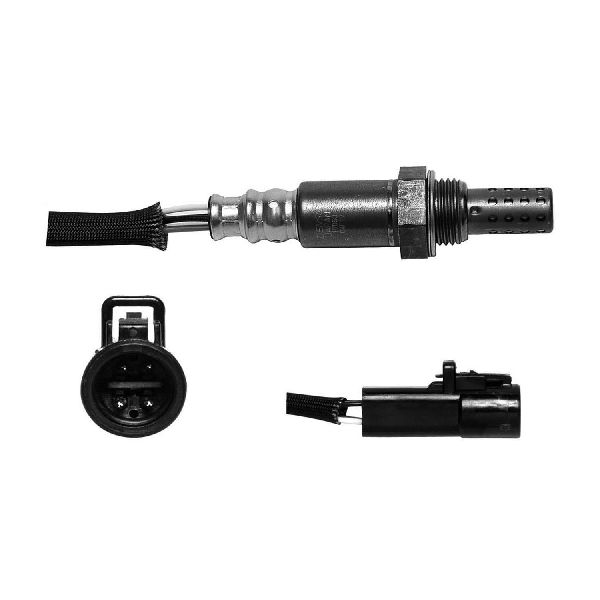
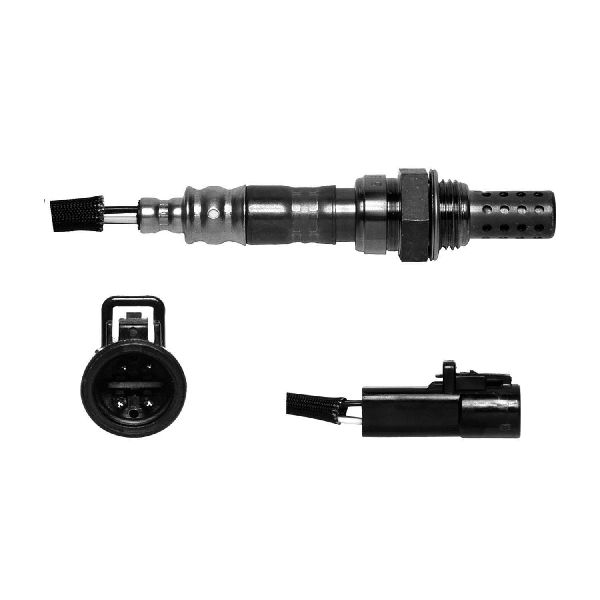
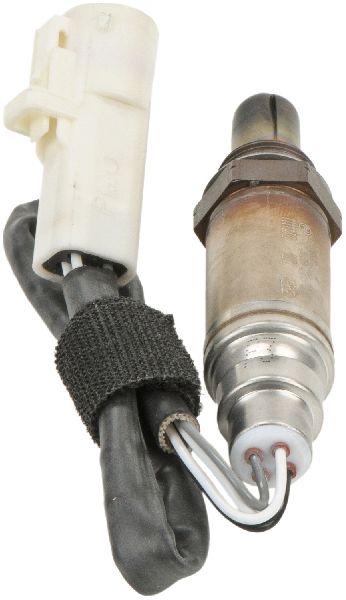
A direct-fit sensor comes with the correct wire length and factory-style electrical connector, making it a simple plug-and-play installation. A universal sensor is cheaper but requires you to cut the old connector off and splice it onto the new sensor's wires. For a hassle-free installation, a direct-fit sensor is always the better choice.
🎬 Follow this guide for replacing sensors on Ford Super Duty models.Helpful Videos
Technical Specifications
OEM Part Numbers: F88Z-9F472-BA
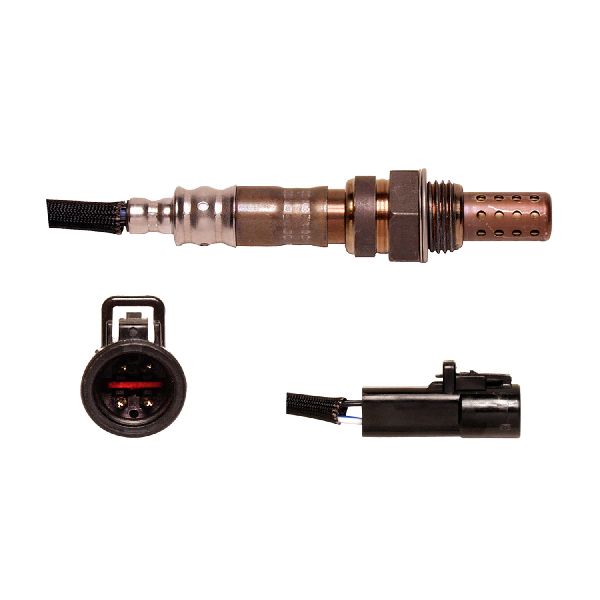
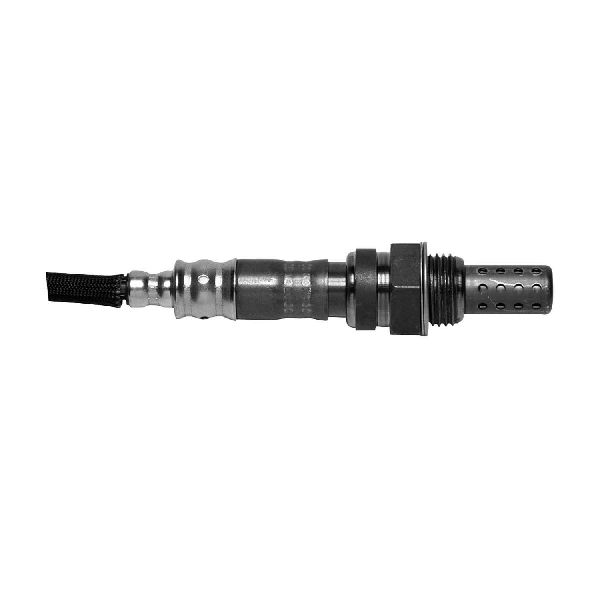
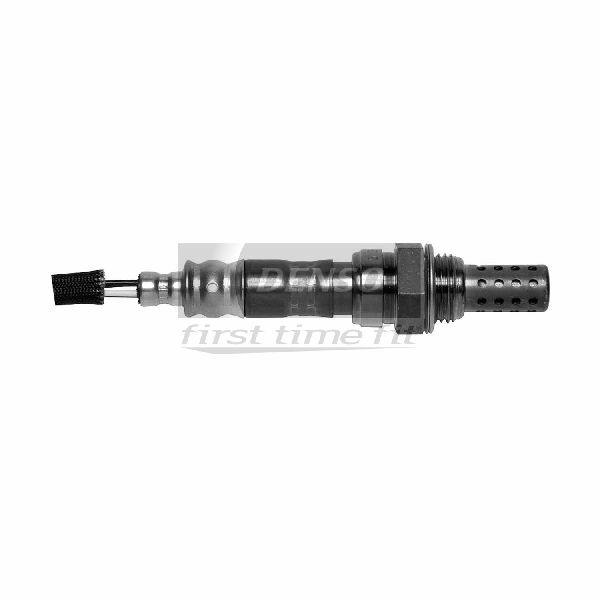
Most sensors for this vehicle are heated, 4-wire sensors with a direct-fit connector. Thread size is typically M18-1.50. Always verify the number of sensors (usually two) and their location (upstream/downstream) before purchasing.
We Have This Part in Stock

The information in this article is provided for general reference and educational purposes only. Vehicle specifications, procedures, and part compatibility can vary by production date, trim level, and region. Always consult your vehicle's factory service manual and verify part numbers before purchasing or performing repairs. Safety-critical components such as airbags, seat belts, and braking systems should be installed by a qualified professional.
- Ford F-250:
- 🎬 Helpful Videos
- 🛍️ Shop This Part
- Is a Bad Oxygen Sensor a Big Deal?
- Symptoms of a Failing O2 Sensor on a 1996-2000 F-250
- Known Issues & Recalls
- Choosing the Right Aftermarket Oxygen Sensor
- Brand Quality Tiers for Your F-250
- Pro Tip: Upstream vs. Downstream
- Cost of Replacing an F-250 Oxygen Sensor
- Frequently Asked Questions
- 🎟️ Get 5% Off