

Accessory Drive Belt Guide for the 1996-2000 Ford Taurus
Everything a Taurus owner needs to know about replacing a worn or noisy serpentine belt.
- A failing belt tensioner is a very common problem on this Taurus and should be inspected or replaced with the belt.
- You must know if you have the 3.0L Vulcan or 3.0L Duratec engine, as the belts are different and not interchangeable.
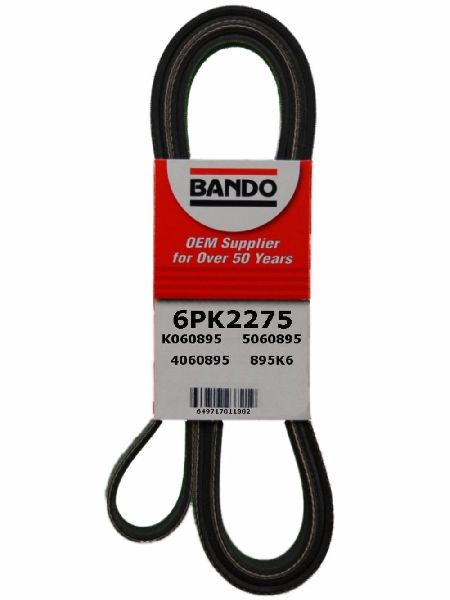
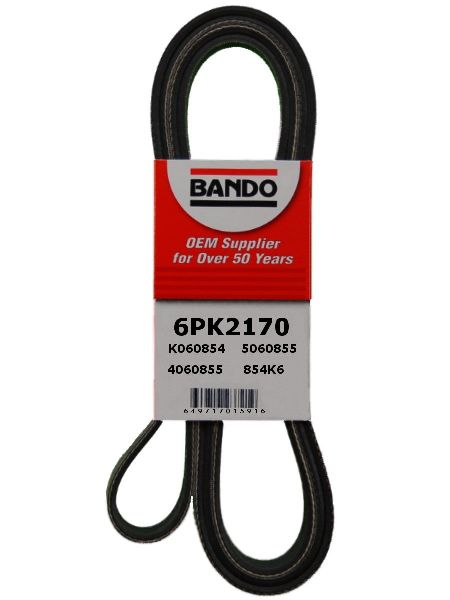
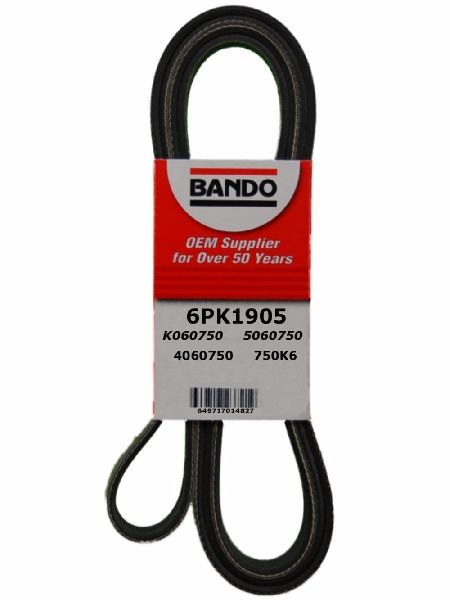
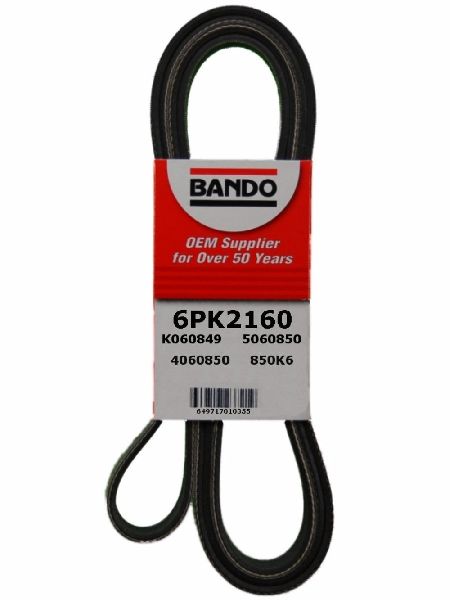
- High-quality aftermarket brands like ACDelco and Bando offer reliable performance and are a cost-effective choice for this vehicle.
- If the belt breaks, the car will lose power steering and alternator function immediately, making it unsafe to drive.
Is Your Taurus Serpentine Belt Failing?
The serpentine belt on your 1996-2000 Taurus is a normal wear-and-tear part. Modern belts are made of a durable EPDM rubber that doesn't crack and dry out like older belts. Instead, they wear down over time, losing material from their grooves. This wear can cause slipping, noise, and eventually, a complete break that will leave you stranded.
A Note on Belt Tensioners
A very common issue on this generation of Ford Taurus is a weak or failing belt tensioner. The tensioner is a spring-loaded pulley that keeps the belt tight. When the spring weakens or the pulley bearing fails, it can't hold proper tension, leading to belt squeal, shredding, or the belt coming off entirely. If you're replacing a belt due to noise or premature failure, it is highly recommended to replace the tensioner at the same time.
Symptoms of a Bad Accessory Drive Belt
- Squealing Noises: A high-pitched squeal, especially when you start the engine, turn the steering wheel, or turn on the A/C, is the most common sign of a slipping belt.
- Chirping or Shredding: A consistent chirping noise often points to a pulley misalignment or a failing tensioner. If you find shredded pieces of rubber, the problem needs immediate attention.
- Visible Wear: Look for fraying, glazing (a shiny, smooth surface), or missing ribs on the belt.
- Accessory Failure: If the belt breaks, you will instantly lose power steering, making the wheel extremely difficult to turn. The battery warning light will also illuminate because the alternator has stopped charging. If the water pump is belt-driven, the engine will overheat rapidly.
Choosing the Right Aftermarket Belt
For a vehicle like the 1996-2000 Taurus, a high-quality aftermarket belt offers excellent performance and value compared to dealership OEM parts. Both ACDelco and Bando are reputable brands often used as original equipment by various car manufacturers.
- Bando: Bando is a well-regarded manufacturer, often supplying belts for Japanese automakers. They are known for making quality rubber products that resist wear and stretching. They are a solid choice for reliability.
- ACDelco: As GM's parts division, ACDelco has a strong reputation for quality. Their professional-grade belts use durable EPDM rubber that resists heat and cracking, ensuring a long service life.
Both brands are considered good quality. The best choice often comes down to availability and price. You can confidently install either on your Taurus. Other trusted brands include Gates and Dayco.
| Part/Service | Estimated Cost |
|---|---|
| New Aftermarket Belt | $35 - $61 |
| Shop Labor | $59 - $90 |
| Total (Installed) | $94 - $151 |
Frequently Asked Questions (FAQ)
Is it hard to replace the serpentine belt on a 1996-2000 Taurus?
For a DIYer with some experience, this is a manageable job. The main challenge is the tight workspace. You will need a 15mm wrench, possibly a second wrench for extra leverage, or a dedicated serpentine belt tool to release the tensioner. The job typically takes less than an hour. Always make sure you have the correct belt routing diagram for your engine (Vulcan or Duratec) before you begin.
Do I need to replace the pulleys with the belt?
It is highly recommended to at least inspect them. With the belt off, spin the tensioner and idler pulleys by hand. They should spin smoothly and quietly. If you feel any roughness, hear grinding, or see any wobble, the pulley should be replaced. Replacing the tensioner assembly with the belt is a common and wise practice on these cars to prevent future problems.
What's the difference between the Vulcan and Duratec engine belts?
The 3.0L OHV Vulcan and 3.0L DOHC Duratec are completely different engines. They have different accessory locations, which means they require different length belts and have unique routing diagrams. It is critical to order the part specifically for your engine type to ensure it fits.
Are there any recalls for the accessory drive belt on the 1996-2000 Taurus?
No. A search of the National Highway Traffic Safety Administration (NHTSA) database shows no recalls specifically for the accessory drive belt, tensioner, or related components for this vehicle. Recalls for this period were for other issues like labeling or seat belts.
Technical Specifications
Belt length and rib count vary based on engine type (3.0L Vulcan vs. 3.0L DOHC Duratec). The belt is made of EPDM (Ethylene Propylene Diene Monomer) rubber. Replacement requires a 15mm wrench or serpentine belt tool to operate the tensioner.
We Have This Part in Stock

The information in this article is provided for general reference and educational purposes only. Vehicle specifications, procedures, and part compatibility can vary by production date, trim level, and region. Always consult your vehicle's factory service manual and verify part numbers before purchasing or performing repairs. Safety-critical components such as airbags, seat belts, and braking systems should be installed by a qualified professional.
- Ford Taurus: