

Guide to Oxygen Sensor Replacement for 1996-2000 GMC C3500
Fix your check engine light and poor fuel economy by understanding and choosing the right oxygen sensor for your truck.
- A bad oxygen sensor will trigger the Check Engine Light and cause poor fuel economy and rough running.
- For best results on a 1996-2000 GMC C3500, use ACDelco or Denso brand oxygen sensors to ensure compatibility with the factory computer.
- Your truck has four sensors; identify the correct failed sensor (e.g., Bank 1, Sensor 1) before purchasing a replacement.
- Use a special O2 sensor socket and penetrating oil to make the replacement job easier and avoid damaging the new part.
Is Your GMC C3500's Oxygen Sensor Failing?
A failing oxygen sensor is a common issue on older trucks like the 1996-2000 GMC C3500. When it goes bad, the engine's computer gets incorrect information, leading to a host of problems. Ignoring a bad O2 sensor can not only hurt performance and fuel economy but can also lead to more expensive repairs down the road, like a damaged catalytic converter.
Symptoms of a Bad Oxygen Sensor
If your C3500 is experiencing any of these issues, a faulty O2 sensor could be the culprit:
- Check Engine Light: This is the most common sign. A code scanner will often show codes between P0130 and P0167, pointing to a specific sensor that has failed.
- Poor Fuel Economy: The engine may run too rich (too much fuel) because the computer can't get an accurate oxygen reading, causing you to use more gas.
- Rough Idle or Engine Misfires: An incorrect air-fuel mixture can cause the engine to run unevenly, misfire, or stall.
- Failed Emissions Test: A bad O2 sensor will cause your truck to release more pollutants, leading to a failed smog check.
- Bad Smell from Exhaust: A "rotten egg" or strong fuel smell can occur when unburned fuel enters the exhaust system.
Upstream vs. Downstream Sensors
Your C3500 has both upstream and downstream sensors. Upstream sensors (also called Bank 1 Sensor 1 or Bank 2 Sensor 1) are located before the catalytic converter and are crucial for adjusting the air-fuel ratio. Downstream sensors (Bank 1 Sensor 2 or Bank 2 Sensor 2) are located after the catalytic converter and primarily monitor its efficiency. When replacing, make sure you order the correct sensor for the specific location, as they are often not interchangeable.
Choosing the Right Aftermarket Oxygen Sensor
For a vehicle from this era, aftermarket parts offer excellent value. However, not all brands are created equal. Many owners of GM trucks from this period report that the engine computer can be sensitive to the brand of O2 sensor used. Sticking with OEM-equivalent or trusted brands is highly recommended to avoid issues.
Brand Quality Tiers
Based on owner feedback and mechanic recommendations, here is a breakdown of available brands:
- Tier 1 (OEM & Premium Aftermarket): ACDelco and Denso are the most recommended choices. ACDelco is the original GM parts brand, and Denso is a well-respected original equipment manufacturer known for its quality and reliability. Many owners find these brands work best with the truck's computer system.
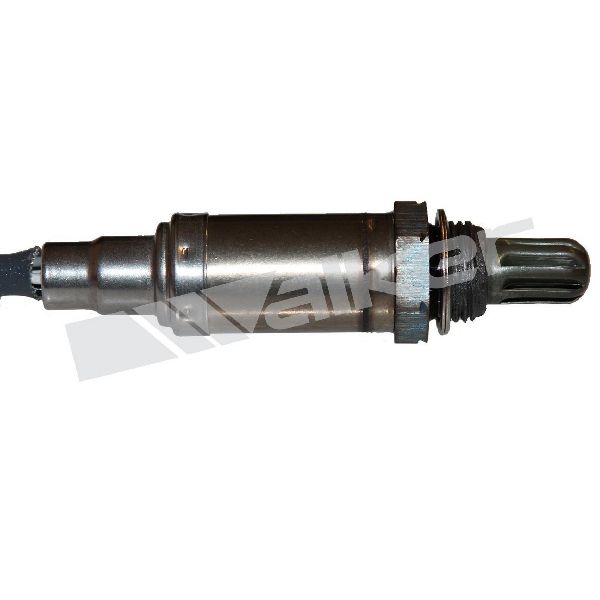
- Tier 2 (Quality Aftermarket): NGK (also NTK), Delphi, and Walker Products are solid alternatives that generally perform well and meet or exceed OEM specifications.
- Tier 3 (Value Brands): Bosch, DriveWire, and Spectra can be more budget-friendly. While Bosch is a major manufacturer, some GM truck owners have reported compatibility issues, leading to persistent check engine lights. These can be a viable option, but be aware of the potential for issues.
Pro Tip: Many forum users and mechanics strongly advise using ACDelco or Denso sensors on these GMT400 trucks to ensure compatibility and avoid having to do the job twice.
Cost of Aftermarket Oxygen Sensors (1996-2000 GMC C3500)
| Brand | Price Range (Per Sensor) | Notes |
|---|---|---|
| ACDelco | $55 - $75 | OEM recommended, highest compatibility. |
| Denso | $40 - $75 | Excellent OEM-quality alternative. |
| NGK / NTK | $45 - $80 | Trusted brand, known for ignition and sensor products. |
| Delphi | $40 - $65 | Good quality aftermarket option. |
| Bosch | $35 - $60 | Mixed reviews for this specific vehicle range. |
| Walker Products | $35 - $60 | Considered a reliable economy option. |
| DriveWire / Spectra | $33 - $55 | Budget-friendly options. |
Frequently Asked Questions (FAQ)
How many oxygen sensors does my 1996-2000 C3500 have?
Most V8 models (5.7L, 7.4L) from this generation have four oxygen sensors: two upstream (before the catalytic converters) and two downstream (after the catalytic converters). However, some configurations may vary, so it's always best to visually inspect your exhaust system to confirm the number and location of the sensors before ordering.
Can I clean my old oxygen sensor instead of replacing it?
While some people attempt to clean O2 sensors, it is generally not a reliable or long-term fix. The sensing element becomes contaminated and worn out internally over time. Given the relatively low cost of a new sensor and the importance of its function, replacement is always the recommended solution for a confirmed failure.
Do I need a special tool to replace an O2 sensor?
Yes, using a special O2 sensor socket is highly recommended. This socket has a slot cut into the side to accommodate the sensor's wire. Using a standard wrench or socket can be difficult and may damage the wire. The sensors can be very tight or rusted in place, so soaking them with penetrating oil a day before the job can make removal much easier.
Where are the oxygen sensors located on my truck?
The upstream sensors (Bank 1 Sensor 1 and Bank 2 Sensor 1) are located in the exhaust manifolds or in the exhaust pipes just after the manifolds, before the catalytic converter. The downstream sensors (Bank 1 Sensor 2 and Bank 2 Sensor 2) are located after the catalytic converters. Bank 1 is on the driver's side of the engine, and Bank 2 is on the passenger's side.
Technical Specifications
OEM Part Numbers: 25312211 25315373 25163080 25164488 25312194
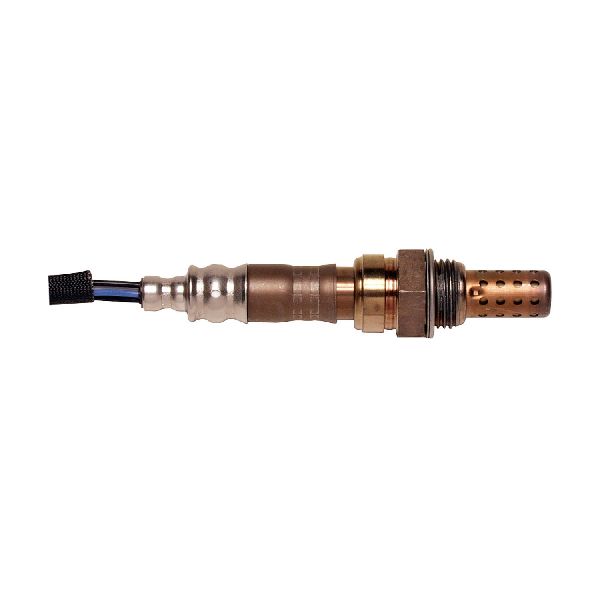
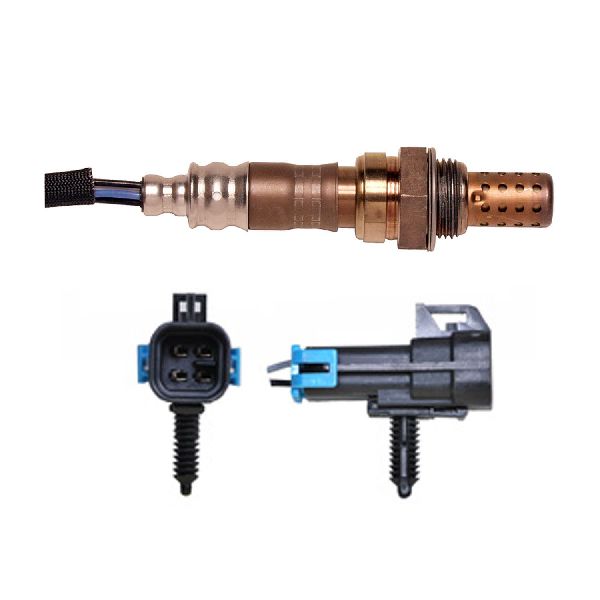
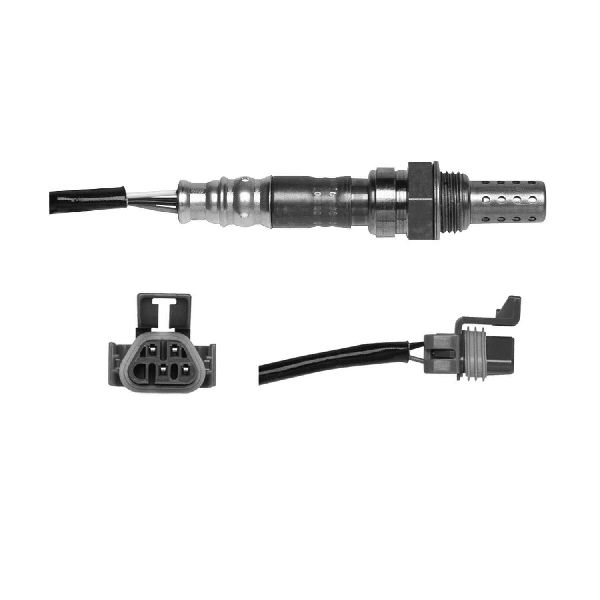
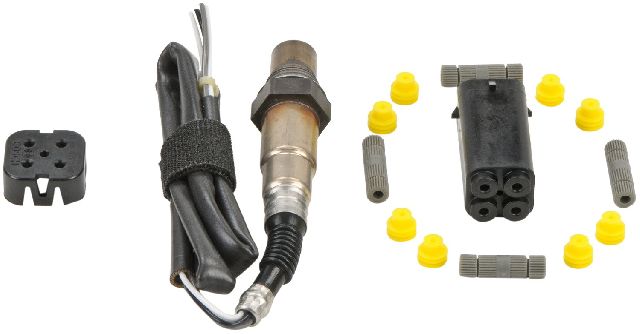
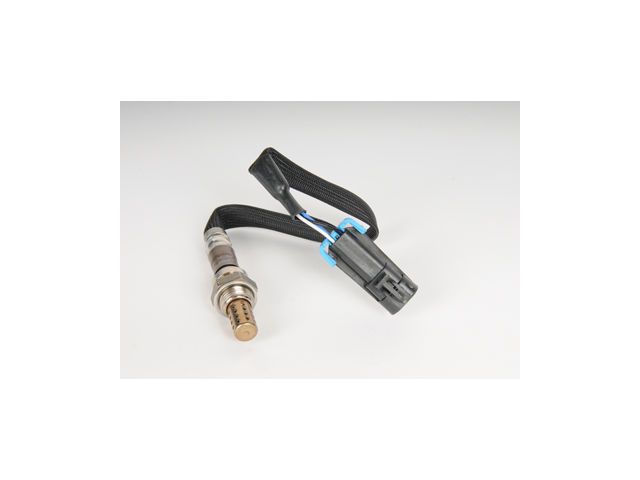
Thread Size: M18x1.5. Connector: 4-Pin. Type: Heated Zirconia.
We Have This Part in Stock

The information in this article is provided for general reference and educational purposes only. Vehicle specifications, procedures, and part compatibility can vary by production date, trim level, and region. Always consult your vehicle's factory service manual and verify part numbers before purchasing or performing repairs. Safety-critical components such as airbags, seat belts, and braking systems should be installed by a qualified professional.
- GMC C3500: