

Catalytic Converter Guide for 1996-2000 GMC K2500 Trucks
Everything you need to know before replacing the catalytic converter on your GMT400-era GMC K2500.
- A check engine light with code P0420 or P0430 is the most common sign of a bad converter.
- Fix any engine issues like misfires or oil burning *before* replacing the converter to avoid damaging the new part.
- For most owners, a direct-fit unit from a brand like MagnaFlow or Walker offers the best balance of quality and value.
- The biggest challenge for DIY replacement is dealing with rusted exhaust bolts; a torch and penetrating oil are essential tools.
Is Your K2500's Catalytic Converter Failing?
A failing catalytic converter isn't just bad for the environment; it can hurt your truck's performance. The signs of failure are usually straightforward. Being aware of them can help you diagnose the problem before it gets worse.
Common Failure Symptoms
- Check Engine Light: This is the most common sign. A code reader will likely show a P0420 or P0430 error, which points directly to low catalyst efficiency.
- Sluggish Performance: If the converter is clogged, it creates backpressure in the exhaust. This can make your truck feel weak and slow to accelerate.
- Worse Gas Mileage: A restricted exhaust makes the engine work harder, causing it to burn more fuel than usual.
- Rotten Egg Smell: A strong sulfur smell from your tailpipe means the converter is no longer breaking down exhaust gases properly.
- Rattling Noises: The ceramic honeycomb inside the converter can break apart over time. You may hear rattling from underneath the truck, especially at idle or during acceleration.
Don't Ignore a Clogged Converter
Driving for an extended period with a severely clogged catalytic converter can cause excessive backpressure. This can lead to serious engine damage, including overheating and internal component failure.
Choosing the Right Aftermarket Converter
For a truck of this age, an Original Equipment Manufacturer (OEM) converter is often too expensive or no longer available. The aftermarket is your best bet, but quality varies. Aftermarket brands can be grouped into tiers based on quality, fitment, and price.
Brand Quality Tiers
- Premium Brands (MagnaFlow, Walker): These are the most trusted names in the aftermarket exhaust world. They use higher-quality stainless steel and have more of the precious metals needed to keep the check engine light off long-term. Fitment on their direct-fit parts is generally excellent, making installation easier. MagnaFlow is often considered an OEM-grade or performance option.
- Standard Brands (AP Exhaust, Eastern Catalytic): These brands offer a good balance of price and quality. For most K2500 owners who aren't in strict emissions states, these are a solid choice. While most users report good experiences, there are occasional complaints about weld quality or a shorter lifespan compared to premium brands.
- Economy Brands (Davico, Evan Fischer): These are the most budget-friendly options. However, they are known for having inconsistent quality control. You might save money upfront, but be prepared for potential fitment issues that require cutting or welding, and a higher chance of the P0420 code returning sooner.
A Note on Emissions Compliance
Always check your local and state emissions laws. If you live in California, Colorado, New York, or Maine, you will need a converter that is legal for sale in your state (often called CARB-compliant). These converters are more expensive because they have a higher load of precious metals to meet stricter standards. Federal EPA-compliant converters are for all other states.
How Much Does a Replacement Cost?
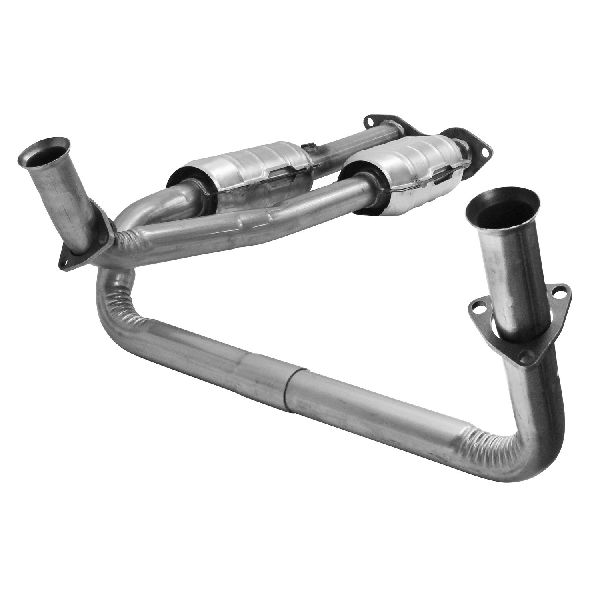
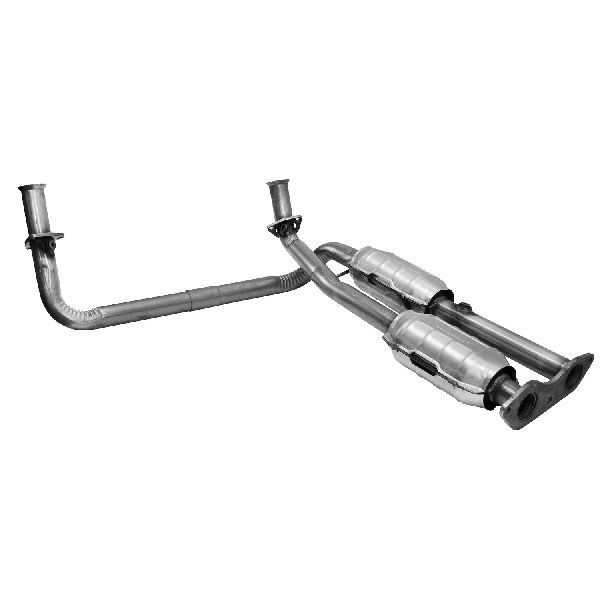
The cost depends on the brand you choose and whether you do the work yourself. Your 1996-2000 K2500 likely has a Y-pipe configuration with two converters. Prices reflect the entire assembly.
| Part Type | Estimated Cost |
|---|---|
| New Aftermarket (Economy) | $150 - $400 |
| New Aftermarket (Standard/Premium) | $400 - $900 |
| Shop Labor | $150 - $400 |
Frequently Asked Questions
Is it hard to replace the catalytic converter on a K2500 myself?
The job itself is straightforward for a direct-fit part: unbolt the old one, and bolt in the new one. The main difficulty comes from rust. The bolts connecting the converter to the exhaust manifolds and the rest of the exhaust system will likely be seized. You will probably need a torch, lots of penetrating oil, and possibly a bolt extractor set. If you're not comfortable dealing with stubborn, rusted bolts, it may be best to leave this job to a shop.
Do I need to replace my oxygen sensors at the same time?
It's a good idea, but not always required. A failing oxygen sensor can sometimes incorrectly trigger a P0420 code. If your sensors are old, replacing them with the new converter is good preventative maintenance and ensures the system is working correctly. Your truck has upstream sensors before the converter and downstream sensors after it; the downstream sensors are the ones that monitor converter efficiency.
Why did my original converter fail? Do I need to fix anything else?
Catalytic converters don't usually fail on their own. They are often killed by another problem. Common causes include engine misfires, a rich fuel mixture, or burning oil/coolant, which can overheat and contaminate the converter. Before spending money on a new converter, make sure your engine is in good tune. Otherwise, you risk damaging the new part as well.
Are there any recalls for the K2500 catalytic converter?
No. Searches of the National Highway Traffic Safety Administration (NHTSA) database show no open recalls for the catalytic converter on the 1996-2000 GMC K2500. Any recalls found are for much newer model years.
Technical Specifications
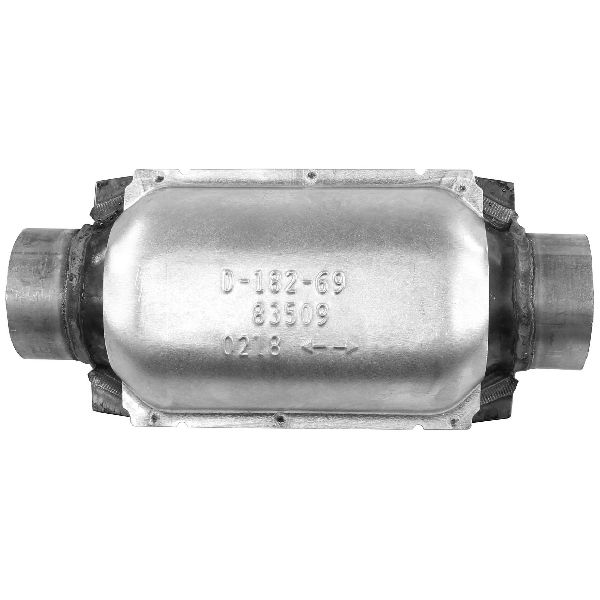
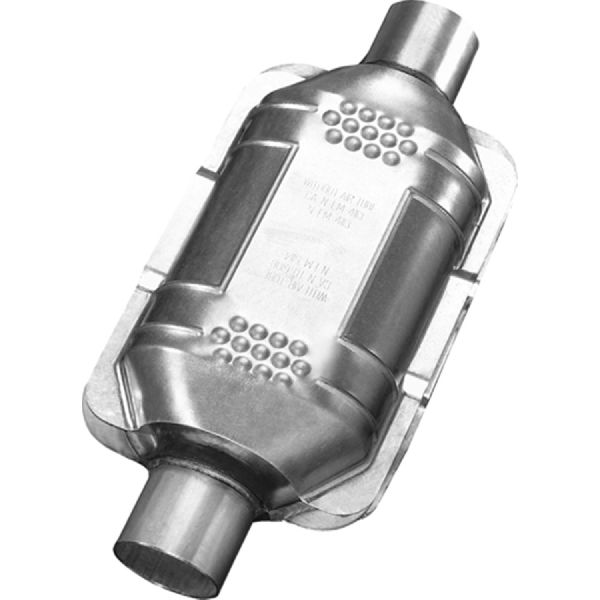
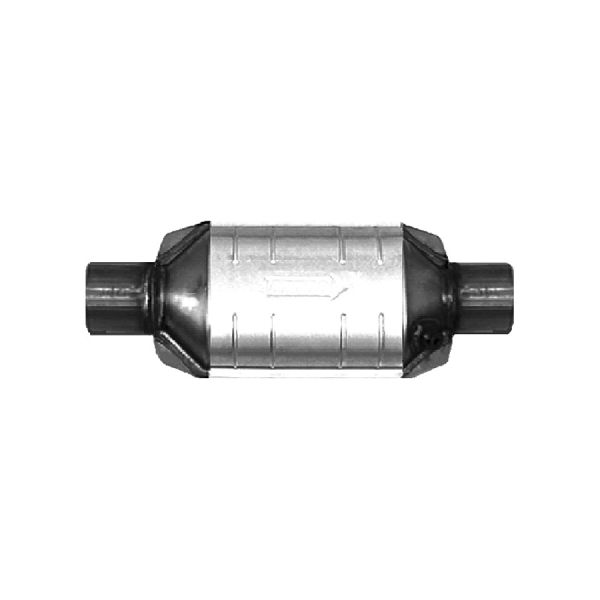
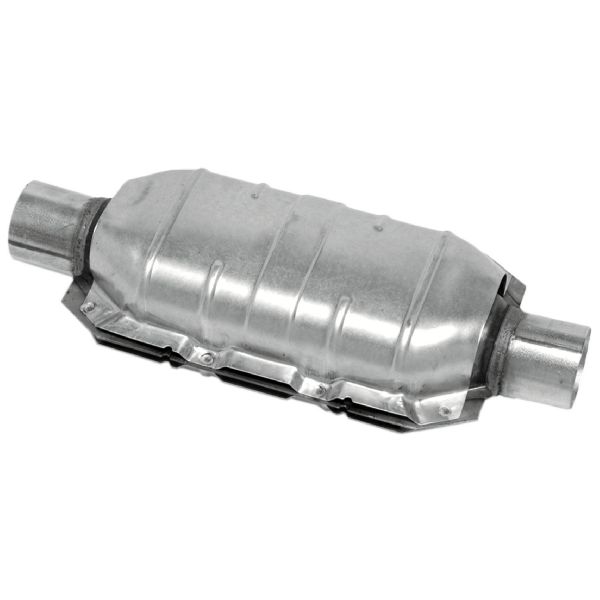
Configuration is typically a Y-Pipe assembly containing two catalytic converters. Direct-fit replacements are available and recommended over universal parts to avoid welding. Ensure compatibility with your specific engine (5.7L, 7.4L, or 6.5L Diesel) and emissions requirements (Federal EPA or CARB).
We Have This Part in Stock

The information in this article is provided for general reference and educational purposes only. Vehicle specifications, procedures, and part compatibility can vary by production date, trim level, and region. Always consult your vehicle's factory service manual and verify part numbers before purchasing or performing repairs. Safety-critical components such as airbags, seat belts, and braking systems should be installed by a qualified professional.
- GMC K2500: