

A GMC K2500 Owner's Guide to the 1996-2000 Engine Intake Manifold Gasket Set
Leaking coolant or oil? Your intake manifold gasket is the likely cause on these Vortec engines.
- This is a very common failure on 1996-2000 GMC K2500s; expect to do this repair.
- Do not ignore symptoms, especially coolant in the oil, as it can lead to catastrophic engine failure.
- Choose a premium aftermarket gasket set, like Fel-Pro's steel-core design, to prevent future failures.
- This is a complex job; if you are a beginner, it is best left to a professional mechanic.
Is Your GMC K2500's Intake Gasket Failing?
If you own a 1996-2000 GMC K2500 with a V8 engine, you will likely face an intake manifold gasket leak at some point. It's one of the most common repairs for these trucks. The original factory gaskets used a plastic carrier design that can become brittle and crack over time from engine heat cycles and exposure to fluids. This failure allows coolant or oil to leak. Ignoring it can lead to serious engine damage if coolant mixes with your oil.
Symptoms of a Bad Intake Manifold Gasket
A failing intake manifold gasket can show several signs. You might notice just one, or a combination of them.
- Coolant Loss with No Visible Drip: You're constantly adding coolant, but don't see a puddle under the truck. The engine may be burning it or it's mixing with the oil.
- External Leaks: You might see coolant pooling on the front or rear of the engine block, or oil running down the back of the engine onto the transmission housing.
- Engine Overheating: A loss of coolant will cause the engine to run hotter than normal and eventually overheat.
- Milky Engine Oil: Pull the oil dipstick. If the oil looks like a creamy, coffee-colored milkshake, coolant is mixing with your oil. This is a serious condition that requires immediate attention to avoid destroying engine bearings.
- Rough Idle or Misfires: A vacuum leak from a bad gasket can throw off the air-fuel mixture, causing the engine to run rough, misfire, or hesitate.
Critical Warning: Coolant in Oil
If you find coolant has contaminated your engine oil, do not continue to drive the vehicle. Running the engine with a coolant/oil mix can quickly lead to catastrophic engine bearing failure. The truck should be repaired as soon as possible.
Choosing the Right Aftermarket Gasket Set
The original gasket design is prone to failure, but the aftermarket offers improved, problem-solving designs. You don't want to do this job twice, so choosing a quality part is important.
Tier 1: Premium Problem-Solvers (Recommended)
- Fel-Pro: This is the most frequently recommended brand by mechanics and DIYers for this specific repair. Look for their PermaDryPlus sets (like MS9800T or MS 98016 T) which feature a steel carrier instead of plastic. This design resists cracking and provides a much more durable seal, directly addressing the original part's weakness.
Tier 2: OE Quality Replacements
- Victor Reinz: Often considered an OE-quality supplier, Victor Reinz gaskets are a solid choice if a premium Fel-Pro set isn't available. They are engineered to meet original specifications and are a reliable option for the repair environment.
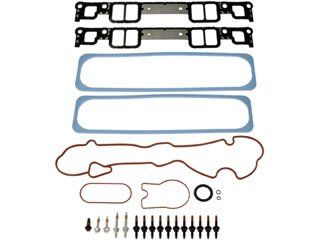
- Dorman: Dorman provides a wide range of aftermarket parts and often includes necessary components in their kits. Their quality is generally considered suitable for standard repairs.
Tier 3: Performance & Budget
- Edelbrock: Typically associated with performance applications, Edelbrock gaskets are designed to work with their own aftermarket intake manifolds. They can be a good choice if you are upgrading your intake, but might be overkill or have port-matching issues on a stock engine.
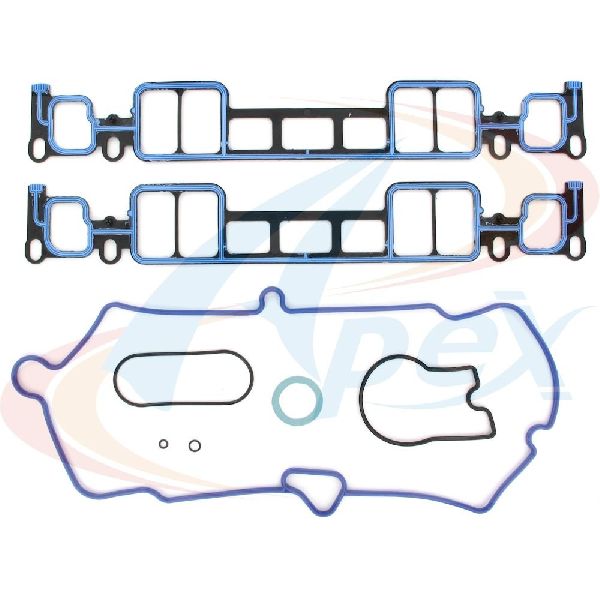
- Apex / Store Brands: These are budget-friendly options. While they will work, they may not feature the upgraded materials and designs of the premium brands, potentially leading to a shorter lifespan. Given the labor involved in this repair, spending a little more on a premium gasket is a wise investment.
Pro Tip: What Else to Do While You're In There
The intake manifold replacement is a labor-intensive job. Consider replacing other accessible parts at the same time, such as the distributor cap and rotor, thermostat, and coolant bypass hose. It's also a good time to clean the throttle body and intake passages.
Frequently Asked Questions (FAQ)
Do I need to use sealant on the new gaskets?
For the main side gaskets, no extra sealant is typically needed if they have a rubber seal. However, you MUST apply a bead of RTV silicone sealant to the front and rear "china walls" of the engine block. The gasket kit instructions will specify the exact procedure. Applying it correctly is critical to prevent oil leaks.
Is this a good DIY job for a beginner?
This is an intermediate to advanced DIY repair. It requires draining coolant, disconnecting fuel lines, removing the distributor, and following a specific multi-step torque sequence for reassembly. If you are not comfortable with these steps, it is best to leave it to a professional. Incorrectly installing the distributor, for example, can prevent the truck from starting.
Do I have to replace the intake manifold bolts?
It is not strictly required, but it is good practice. The original bolts on Vortec engines are torque-to-yield and should ideally be replaced. At a minimum, ensure the old bolts are clean and chase the threads in the cylinder heads to ensure an accurate torque reading.
My truck has a misfire. Could it be the intake gasket?
Yes. A leak in the gasket can cause a vacuum leak, which allows unmetered air into a cylinder. This leans out the air/fuel mixture and can cause a misfire code (like P0300, P0301, etc.). It can also be caused by coolant leaking into the cylinder.
Technical Specifications
OEM Part Numbers: 89017465
The key difference in aftermarket gaskets is the carrier material. Original equipment used a plastic frame which is prone to cracking. Upgraded 'problem-solver' gaskets from brands like Fel-Pro use an aluminized steel carrier for greater durability and longevity.
We Have This Part in Stock


The information in this article is provided for general reference and educational purposes only. Vehicle specifications, procedures, and part compatibility can vary by production date, trim level, and region. Always consult your vehicle's factory service manual and verify part numbers before purchasing or performing repairs. Safety-critical components such as airbags, seat belts, and braking systems should be installed by a qualified professional.
- GMC K2500: