

A Comprehensive Guide to the 1996-2000 GMC K3500 Automatic Transmission Control Solenoid
Having shifting problems with your heavy-duty GMC? This guide will help you understand and choose the right replacement transmission solenoid.
- The most common symptom of a failing solenoid in a K3500 is erratic, harsh, or delayed shifting.
- Your truck is likely equipped with the robust 4L80-E transmission, which has two main shift solenoids (A and B).
- Replacing solenoids is a DIY-friendly job if you are comfortable with draining fluid and removing the transmission pan.
- While budget brands are available, Standard Ignition (Standard Motor Products) is a well-regarded aftermarket option for reliability.
Is Your K3500's Transmission Acting Up? It Could Be a Solenoid.
If your GMC K3500 is experiencing harsh, delayed, or unpredictable shifting, a faulty automatic transmission control solenoid is a likely culprit. These components are critical for your truck's performance, especially when hauling or towing. Understanding the symptoms of failure can help you diagnose the problem before it leads to more severe transmission damage.
Common Symptoms of a Failing Transmission Solenoid
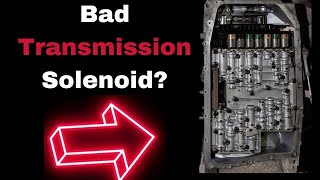
🎬 Watch this video to see common signs of solenoid failure.- Erratic or Harsh Shifting: The truck may jerk or slam into gear.
- Delayed Shifting: A noticeable pause after you accelerate before the truck shifts.
- Stuck in Gear: The transmission may refuse to shift out of a particular gear or go into "limp mode."
- Engine Light: A failing solenoid will often trigger the Check Engine Light.
- Slipping Gears: The engine may rev up, but the truck doesn't accelerate as it should because the gear isn't fully engaged. 🎬 Learn how a bad solenoid can also impact your fuel economy.
Choosing the Right Aftermarket Solenoid
When replacing a transmission solenoid, you have options ranging from OEM to various aftermarket brands. For a workhorse truck like the K3500, choosing a quality part is essential. The solenoids are located inside the transmission oil pan, so you want to install a part that you can trust to last.
Brand Quality Tiers
For the 1996-2000 GMC K3500, several aftermarket brands offer reliable replacement solenoids. Here’s a breakdown of what to expect:
- Top-Tier Aftermarket (Standard Ignition): Standard Motor Products (SMP) is a well-regarded brand in the aftermarket community. They often manufacture parts that meet or exceed OEM specifications and are known for their quality control. Many professional mechanics trust SMP for electronic components. While they may cost a bit more than other aftermarket options, they are a solid choice for reliability.
- Value-Oriented Aftermarket (ATP & Pioneer): Brands like ATP and Pioneer offer a more budget-friendly solution. ATP is known for producing a wide range of transmission parts, and many DIYers have used their kits with success. Pioneer also provides a broad catalog of stock replacement parts. These brands are a good option for owners looking for a cost-effective repair, but may not have the same reputation for longevity as top-tier brands.
Pro Tip: The 4L80-E transmission has two primary shift solenoids, often called Solenoid 'A' (1-2) and Solenoid 'B' (2-3). While you can replace just the failed solenoid, it is often recommended to replace them as a pair. Since the labor involves dropping the transmission pan, replacing both at the same time can save you from having to do the job again in the near future.
Cost of Replacing a Transmission Solenoid
| Part Type | Estimated Cost (Part Only) |
|---|---|
| New Aftermarket | $24.23 - $141.53 |
| Shop Labor | $150 - $300 |
Frequently Asked Questions
Do I need to replace the transmission filter when I replace a solenoid?
Yes. Since you must remove the transmission oil pan to access the solenoids, it is the perfect time to change the transmission fluid and filter. A new filter is essential for keeping the new solenoids and the rest of the transmission clean and functioning correctly.
What transmission fluid should I use in my 1996-2000 K3500?
For the 4L80-E transmission in this era of GM truck, you should use a fluid that meets DEXRON-III specifications. Always check your owner's manual to confirm the exact fluid type required for your vehicle.
Are there any recalls for this part on my truck?
Searches of the NHTSA database did not find any specific recalls for transmission control solenoids for the 1996-2000 GMC K3500 model years. Recalls found were for much newer model years and different transmission issues.
Can I replace a transmission solenoid myself?
Yes, this is a job that a moderately skilled DIY mechanic can perform. 🎬 Follow this step-by-step guide to install your new shift solenoids. It involves safely lifting the vehicle, draining the transmission fluid, removing the oil pan, and then unplugging and replacing the solenoids. It can be a messy job, but it does not require highly specialized tools beyond a good socket set and a torque wrench to properly tighten the pan bolts afterward.
Helpful Videos



Technical Specifications
OEM Part Numbers: 24230288 24230289 10478148
The 1996-2000 GMC K3500 is typically equipped with the 4L80-E 4-speed automatic transmission. This transmission uses two primary shift solenoids: Shift Solenoid A (1-2) and Shift Solenoid B (2-3). There are also other solenoids, such as the TCC (Torque Converter Clutch) solenoid, but the shift solenoids are the most common failure points related to shifting problems.
We Have This Part in Stock


The information in this article is provided for general reference and educational purposes only. Vehicle specifications, procedures, and part compatibility can vary by production date, trim level, and region. Always consult your vehicle's factory service manual and verify part numbers before purchasing or performing repairs. Safety-critical components such as airbags, seat belts, and braking systems should be installed by a qualified professional.
- GMC K3500: