

GMC K3500 Oxygen Sensor Guide: 1996-2000 Models
Fixing your truck's check engine light, poor fuel economy, and rough idle starts with choosing the right oxygen sensor.
- A bad oxygen sensor will trigger a check engine light and cause poor fuel economy and rough running.
- For the 1996-2000 K3500, ACDelco, Denso, and NGK/NTK are the most recommended brands for reliability and proper function.
- Many GM truck owners report problems with Bosch O2 sensors on this specific vehicle platform; it's best to avoid them.
- Always use a special O2 sensor socket for removal and installation to avoid damaging the part or the wiring.
Is Your K3500's Oxygen Sensor Failing?
A bad oxygen sensor can cause problems that you'll definitely notice. Because these sensors wear out from heat and contaminants, they are a common failure point on older trucks. If your sensor is failing, your engine's computer gets bad information and can't properly adjust the fuel mixture.
Common symptoms include: 🎬 Watch this breakdown of upstream and downstream sensor failure symptoms.
- Check Engine Light: This is the most common sign. A code reader will often point to a specific sensor that's having a problem.
- Worse Gas Mileage: If the computer gets a bad reading, it might dump too much fuel into the engine, causing your fuel economy to drop.
- Rough Idle or Engine Misfire: An incorrect air-fuel mixture can make your engine run rough, hesitate, or misfire, especially at idle or low speeds.
- Failed Emissions Test: A bad O2 sensor is a leading cause of failing a smog check because the truck can't control its emissions.
- Smell of Rotten Eggs: In some cases, a rich fuel mixture caused by a bad sensor can overwhelm the catalytic converter, creating a sulfur-like smell.
Choosing the Right Aftermarket O2 Sensor
For a 1996-2000 K3500, you don't need to buy the most expensive part from a dealer. Many aftermarket brands provide the same quality as the original, and some are even made by the same companies that supply GM. However, not all brands are created equal. Community forums for GM trucks show a strong preference for certain brands and warn against others.
Brand Quality Tiers for Your GMC K3500
| Tier | Brands | Owner Feedback & Quality Assessment |
|---|---|---|
| Tier 1: OEM Supplier Quality | ACDelco, Denso, NGK (NTK) | These are the most recommended brands by long-time GM truck owners. Denso and NGK/NTK are often the original manufacturers for ACDelco parts, meaning you get the same part without the dealer markup. They are known for perfect fitment, reliability, and correct voltage readings that the K3500's computer expects. |
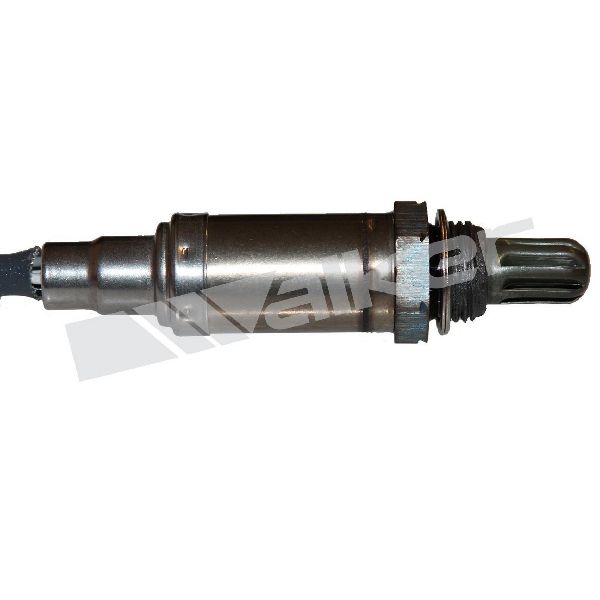
| Tier 2: Trusted Aftermarket | Delphi, Walker Products | Delphi was a long-time GM parts division and is generally considered a solid choice. Walker Products is a well-regarded aftermarket brand that offers a good balance of price and performance, though some users report shorter lifespans compared to Tier 1 brands. |
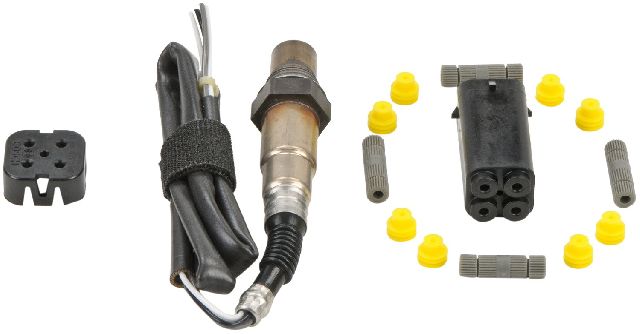
| Tier 3: Mixed Reviews / Budget | Bosch, Spectra, DriveWire | While Bosch invented the O2 sensor and is a huge OEM supplier for many European cars, numerous GM truck owners report issues with Bosch sensors on these specific vehicles, including incorrect readings and short life. Brands like Spectra and DriveWire are budget-focused and may be a viable short-term fix, but long-term reliability can be a gamble. |
Upstream vs. Downstream Sensors
Your 1996-2000 K3500 is an OBD-II vehicle, which means it has multiple oxygen sensors. Upstream sensors (also called Bank 1 Sensor 1 or Bank 2 Sensor 1) are located before the catalytic converter and are the most important for controlling the air-fuel mixture. Downstream sensors (Sensor 2) are located after the catalytic converter and mainly monitor its efficiency. When replacing a sensor for performance issues, it's usually an upstream one.
Frequently Asked Questions (FAQ)
How many oxygen sensors does my 1996-2000 K3500 have?
Gasoline-powered K3500s from this era typically have either three or four oxygen sensors, depending on the specific year and exhaust configuration. You will have at least one upstream sensor for each cylinder bank (Bank 1 is the driver's side, Bank 2 is the passenger's side) and one or two downstream sensors after the catalytic converter(s).
Can I just clean my old oxygen sensor?
While some people have tried cleaning O2 sensors, it is not a reliable or recommended fix. The sensor's internal components wear out over time and can be contaminated by substances that can't be cleaned off. Given the reasonable cost of a new aftermarket sensor, replacement is always the best option for a lasting repair.
Do I need a special tool to replace an O2 sensor?
Yes, it is highly recommended to use a special O2 sensor socket. This socket has a slit down the side to fit over the sensor's wire. Using a standard wrench can easily damage the sensor or not provide enough leverage to remove the old one, which is often seized in the hot exhaust pipe.
🎬 See how to remove a stuck sensor quickly and easily.Should I replace all my O2 sensors at once?
It's not strictly necessary, but it can be a good idea if your truck has high mileage (over 100,000 miles). O2 sensors age and become less responsive over time. If one has failed, the others are likely nearing the end of their life as well. Replacing them in pairs (both upstreams, for example) can ensure balanced and accurate readings for the engine computer.
What are the most common error codes for a bad O2 sensor?
Common codes include P0131, P0132, P0133 (Bank 1 Sensor 1), P0151, P0153, P0155 (Bank 2 Sensor 1), and codes for the downstream sensors (P0137, P0141, etc.). These codes can indicate a circuit malfunction, slow response, or heater circuit failure.
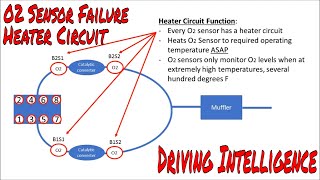
🎬 Learn how to fix common GM oxygen sensor heater circuit codes.Helpful Videos
![Bad O2 Sensor Symptoms Downstream & Upstream [Oxygen Sensor Failure and Causes] How to fix & Replace](https://img.youtube.com/vi/b-xxdBlikSA/mqdefault.jpg)
Technical Specifications
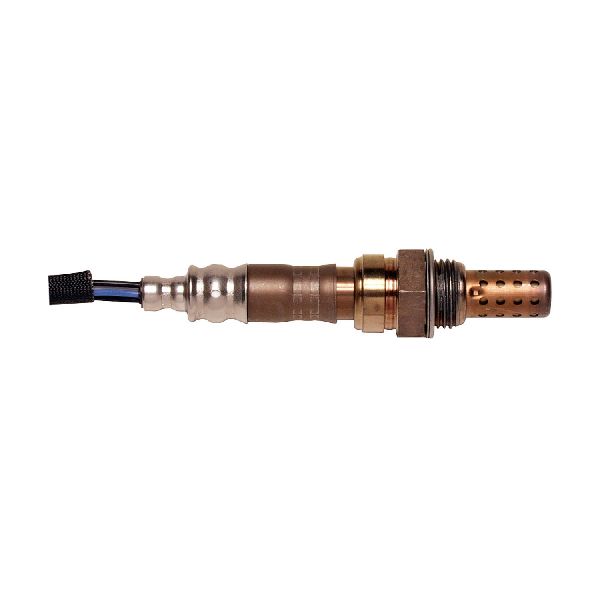
OEM Part Numbers: 19355310 AFS106
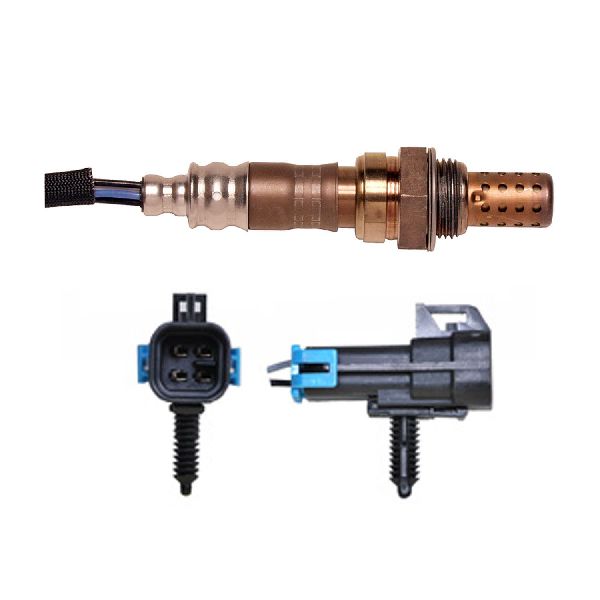
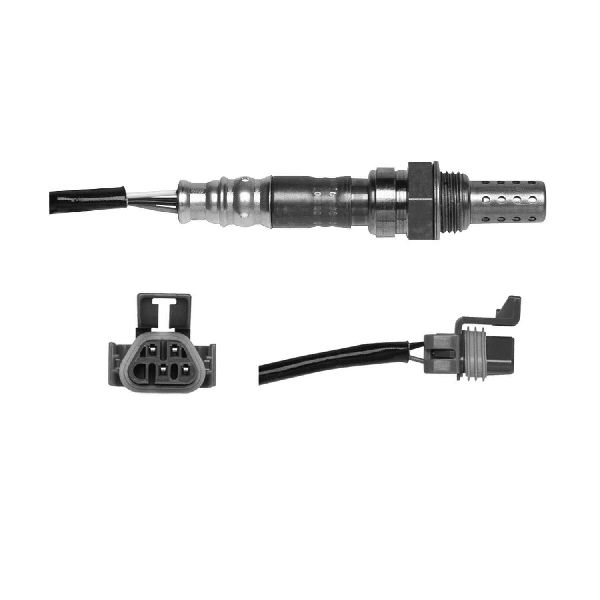
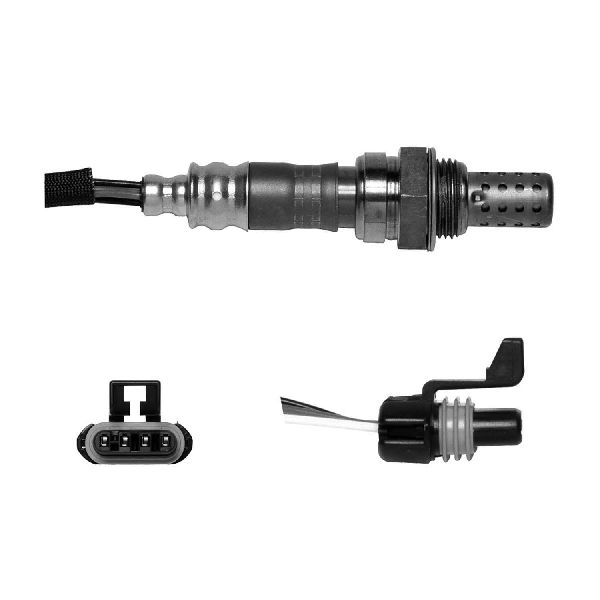
Your truck uses heated, 4-wire oxygen sensors. The number of sensors is typically four: two upstream (before the catalytic converter) and two downstream (after the catalytic converter). The physical connector and wire length must match the specific location (e.g., Bank 1 Sensor 1).
We Have This Part in Stock

The information in this article is provided for general reference and educational purposes only. Vehicle specifications, procedures, and part compatibility can vary by production date, trim level, and region. Always consult your vehicle's factory service manual and verify part numbers before purchasing or performing repairs. Safety-critical components such as airbags, seat belts, and braking systems should be installed by a qualified professional.
- GMC K3500: