

1996-2000 Mercedes-Benz CL600 Crankshaft Position Sensor: A Complete Guide
Solve common stalling and no-start problems in your V12 CL600 by understanding and choosing the right crankshaft sensor.
- The most common symptom of failure is the engine stalling when hot and refusing to restart until it cools down.
- For reliable performance, use the OEM supplier brand, Bosch. Avoid budget-tier brands which are known to cause persistent issues.
- The sensor is located on the driver's side rear of the engine, and replacement is challenging due to tight access in the V12 engine bay.
- A single E8 external Torx bolt holds the sensor in place; you will need extensions and a swivel to reach it.
Is Your CL600 Stalling When Hot? It Could Be the Crankshaft Sensor.
For the 1996-2000 Mercedes-Benz CL600, the crankshaft position sensor (CPS) is a known failure point. The most classic symptom is when the engine runs fine when cold, but stalls unexpectedly as it warms up. Often, the engine will then refuse to restart until it has cooled down for a period of time. This happens because heat can cause the internal electronics of a failing sensor to stop working correctly.
Critical Failure Symptoms
A bad crankshaft sensor can leave you stranded. Watch for these signs:
- Engine stalls when warm: The most common sign for this vehicle. The engine dies while driving or at a stop and won't restart until it cools.
- Engine won't start: The engine cranks but never fires up because the ECU isn't receiving a signal to time the spark and fuel.
- Check Engine Light: The ECU may detect a fault with the sensor's signal and trigger the check engine light, often with code P0335.
- Rough Idle and Misfires: The engine may run poorly, vibrate, or misfire because the timing is incorrect.
Choosing the Right Aftermarket Sensor: OEM vs. Aftermarket
For a precision-engineered vehicle like the V12-powered CL600, part quality is critical. While many aftermarket options exist, not all are created equal, especially for important electronic sensors.
Brand Quality Tiers
- Tier 1 (OEM / Recommended): Bosch. Bosch is the original equipment manufacturer (OEM) for many Mercedes-Benz parts, including this sensor. Choosing a Bosch-branded sensor is the safest bet for reliability and performance that matches the original part. It is often the exact same part sold at the dealership, just in a different box and at a lower price.
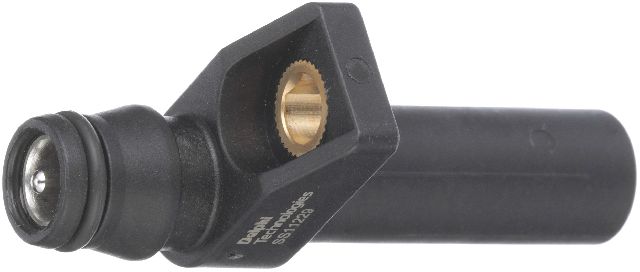
- Tier 2 (Reputable Aftermarket): Delphi, NGK/NTK. These are well-respected brands that supply parts to many automakers. While not the original supplier for this specific part, they generally have a reputation for quality and are a viable option if Bosch is unavailable.
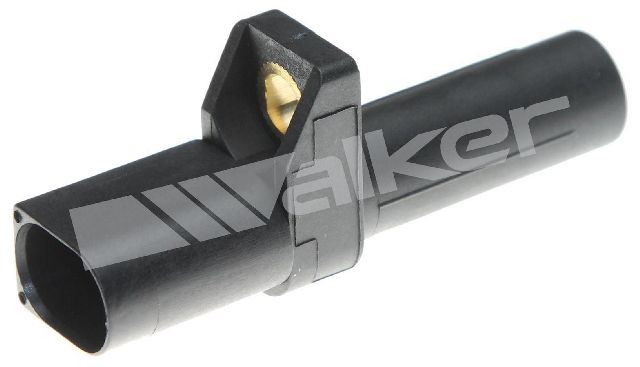
- Tier 3 (Standard Aftermarket): Dorman, Walker, Standard Ignition, etc. While these brands offer a cost-effective solution, it is a significant gamble for a critical sensor on this vehicle. Forum discussions among Mercedes owners frequently warn against using generic or budget sensors, as they can fail prematurely or not work correctly out of the box, leading to the same frustrating symptoms.
Pro Tip: Stick with Bosch
To avoid the frustration of replacing the part twice, it is strongly recommended to use a Bosch sensor. The small amount of money saved on a budget brand is not worth the risk of being stranded or having persistent engine problems.
Crankshaft Sensor Replacement Cost for 1996-2000 CL600
The cost can be broken down into the part itself and labor. Given the tight access on the V12 engine, labor can be a significant portion of the cost if you have a shop perform the work.
| Part / Service | Estimated Cost |
|---|---|
| New OEM (Genuine Mercedes-Benz) | $150 - $250 |
| New Aftermarket (Bosch - OEM Supplier) | $60 - $90 |
| New Aftermarket (Other Brands) | $35 - $85 |
| Shop Labor | $120 - $270 (1-1.5 hours) |
Frequently Asked Questions (FAQ)
Where is the crankshaft position sensor located on the CL600?
The sensor is on the driver's side of the engine, at the rear where the engine connects to the transmission bell housing. Access is very tight, and you will likely need to remove the air filter housing and intake ducting to reach it from above.
Can I replace this sensor myself?
Yes, this is a DIY-feasible job for someone with patience and the right tools. You will need an E8 external Torx socket, a ratchet, and several extensions and a swivel joint to reach the single bolt holding the sensor. The main difficulty is the limited space to work in the V12 engine bay.
Are there any recalls for this part?
No, there are no specific recalls or technical service bulletins (TSBs) from Mercedes-Benz or the NHTSA for the crankshaft position sensor on the 1996-2000 CL600.
What happens if I use a cheap sensor?
Using a low-quality sensor can lead to continued or intermittent problems, such as stalling, no-starts, and poor performance. The sensor may fail quickly or provide inaccurate readings to the ECU. For this vehicle, it is highly recommended to use the OEM supplier, Bosch, to ensure proper function and reliability.
Technical Specifications
OEM Part Numbers: 0031534928 A0031534928 0031535028
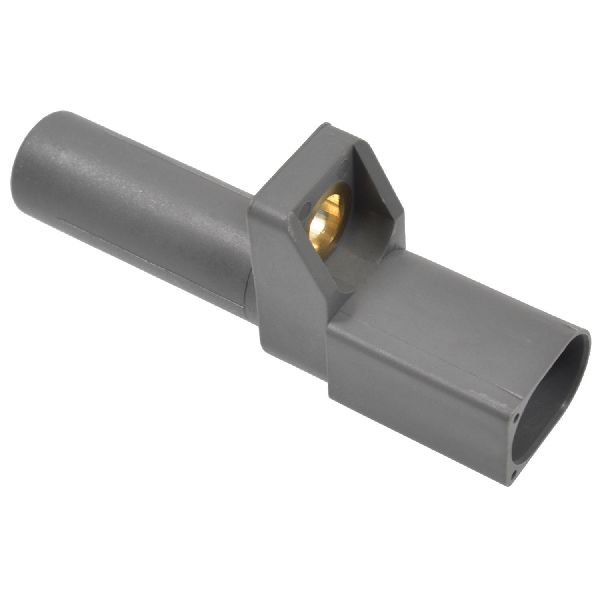
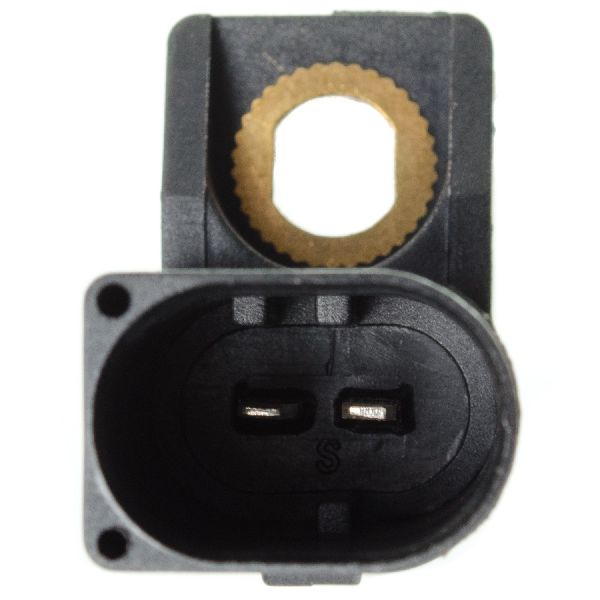
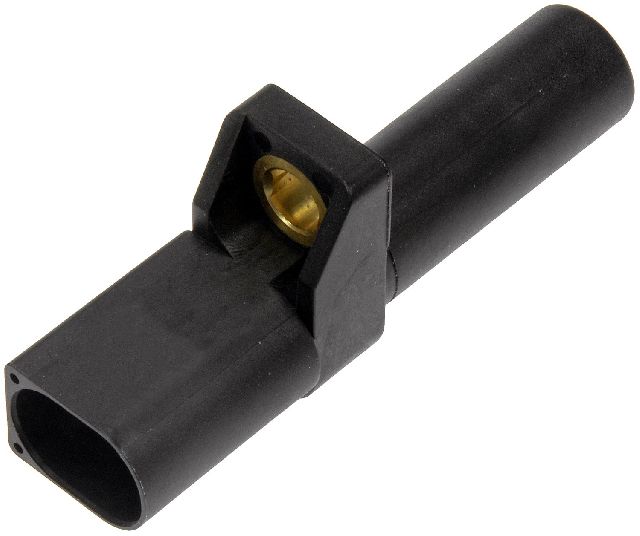
The sensor is held in by one E8 External Torx bolt and has a single electrical connector. It is located on the driver's side of the transmission bell housing.
We Have This Part in Stock


The information in this article is provided for general reference and educational purposes only. Vehicle specifications, procedures, and part compatibility can vary by production date, trim level, and region. Always consult your vehicle's factory service manual and verify part numbers before purchasing or performing repairs. Safety-critical components such as airbags, seat belts, and braking systems should be installed by a qualified professional.
- Mercedes-Benz CL600:
- 🛍️ Shop This Part
- Is Your CL600 Stalling When Hot? It Could Be the Crankshaft Sensor.
- Critical Failure Symptoms
- Choosing the Right Aftermarket Sensor: OEM vs. Aftermarket
- Brand Quality Tiers
- Pro Tip: Stick with Bosch
- Crankshaft Sensor Replacement Cost for 1996-2000 CL600
- Frequently Asked Questions (FAQ)
- 🎟️ Get 5% Off