

Engine Camshaft Position Sensor Guide for the 1996-2000 Mercury Sable
Solving stalling and no-start issues in your Sable starts with understanding this critical sensor.
- First, identify your engine: 3.0L Vulcan (VIN 'U'/'2') or 3.0L Duratec (VIN 'S').
- For Vulcan engines, ALWAYS replace the entire camshaft synchronizer assembly, not just the sensor.
- A 'chirping' noise from a Vulcan engine is a final warning before the synchronizer fails completely.
- For Duratec engines, the repair is a simple, sensor-only swap.
Is Your Sable a Vulcan or a Duratec? It Matters.
Before you buy a new camshaft position sensor for your 1996-2000 Mercury Sable, you must know which 3.0L V6 engine is in your car. The parts are not interchangeable, and the repair job is very different. The easiest way to check is the 8th character of your VIN:
- VIN 'U' or '2': You have the 3.0L OHV Vulcan engine. This engine has a major known issue you need to be aware of.
- VIN 'S': You have the 3.0L DOHC Duratec engine. This is a more straightforward repair.
Critical Warning for Vulcan Engine Owners (VIN U or 2)
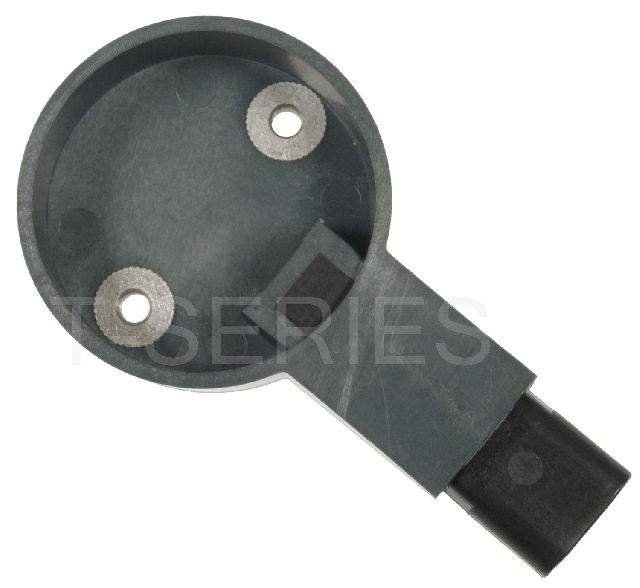
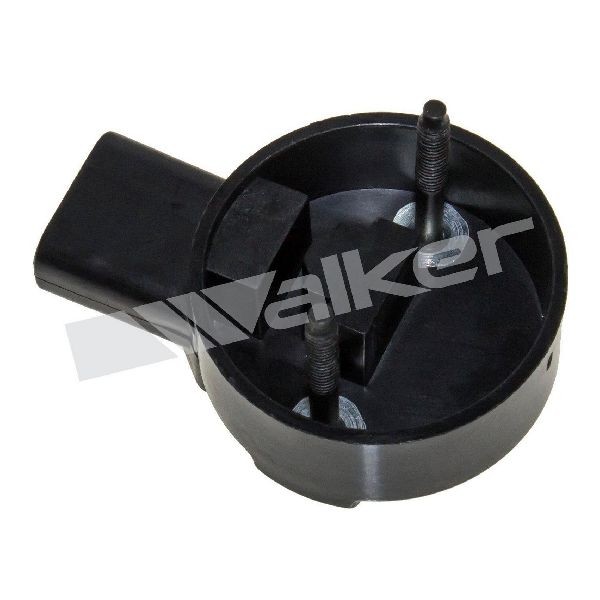
On the 3.0L Vulcan engine, the camshaft position sensor sits on top of a part called the Camshaft Synchronizer. This entire assembly looks like an old-school distributor and is a very common failure point. The internal bushings wear out, causing a distinct 'chirp' or 'squeak' that sounds like a bad belt. If left ignored, the synchronizer's gear can strip, causing the sensor to stop working and potentially sending metal shavings into your engine. It is highly recommended to replace the entire synchronizer assembly, not just the sensor on top. Most quality aftermarket kits include both the synchronizer and a new sensor.
Symptoms of a Failing Camshaft Position Sensor
A bad cam sensor can make you think your engine is dying. The symptoms can be intermittent at first, often getting worse as the engine warms up.
- Check Engine Light: A code like P0340 is a direct pointer to a problem in the camshaft position sensor circuit.
- Engine Stalling: The car may stall unexpectedly while driving or when coming to a stop.
- No-Start Condition: The engine will crank but will not start because there is no spark or fuel injector signal.
- Rough Idle and Poor Acceleration: The engine may run poorly, hesitate, or feel down on power.
- Chirping Noise (Vulcan engines only): A high-pitched, bird-like chirp at idle is the classic sign of a failing camshaft synchronizer.
Choosing the Right Aftermarket Sensor
For a critical part like this, brand quality matters. While an OEM Motorcraft part is an option, many aftermarket brands offer excellent quality, often from the same factories that made the original part. Here’s how the available brands generally stack up:
Tier 1: Premium / OEM-Level Quality
These brands are often original equipment manufacturers for Ford and other carmakers. They offer the best fit and longest life. For the Vulcan engine, ensure you are buying the complete synchronizer assembly.
- Delphi: A top-tier OEM supplier with a strong reputation for electronics.
- Denso: Another world-class OEM supplier known for exceptional quality.
- Hitachi: Known for making reliable OEM sensors for many Japanese and domestic brands.
- NGK/NTK: While famous for spark plugs, their sensors are also considered top-quality.
- Standard Ignition (SMP): A long-standing, trusted name in aftermarket ignition and engine management parts.
Tier 2: Solid Aftermarket Choices
These brands provide a good balance of price and quality. They are reliable choices for a daily driver without the premium price tag.
- Beck Arnley: Often sources parts from the OEM supplier and re-boxes them, providing a high-quality part.
- Dorman: Offers a wide range of parts, including complete synchronizer assemblies that often come with the necessary alignment tool. Quality can be variable but has improved over the years.
- Walker Products: A well-known brand in fuel and engine management.
- Cardone: Offers both new and remanufactured parts, providing a cost-effective option.
Tier 3: Economy Options
These brands are for budget-focused repairs. They will get the car running, but their long-term durability may not match the higher-tier brands. Given the critical nature of this part (especially on the Vulcan engine), it's often worth spending a little more for a better brand.
- Global Parts
- Prenco
- True Tech
- URO Parts
Frequently Asked Questions (FAQ)
Do I have to replace the whole synchronizer on my Vulcan engine?
Yes, it is strongly recommended. The sensor failure is almost always caused by the synchronizer failing beneath it. Just replacing the sensor is a temporary fix at best, and the synchronizer will continue to degrade, leading to another failure.
Is this a difficult repair I can do myself?
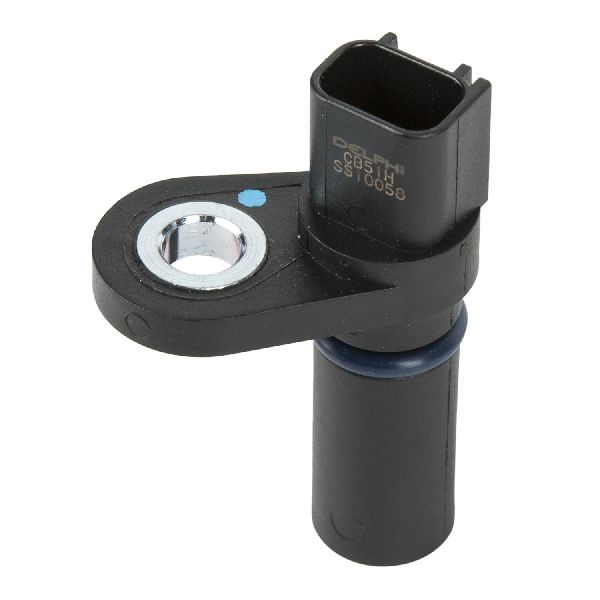
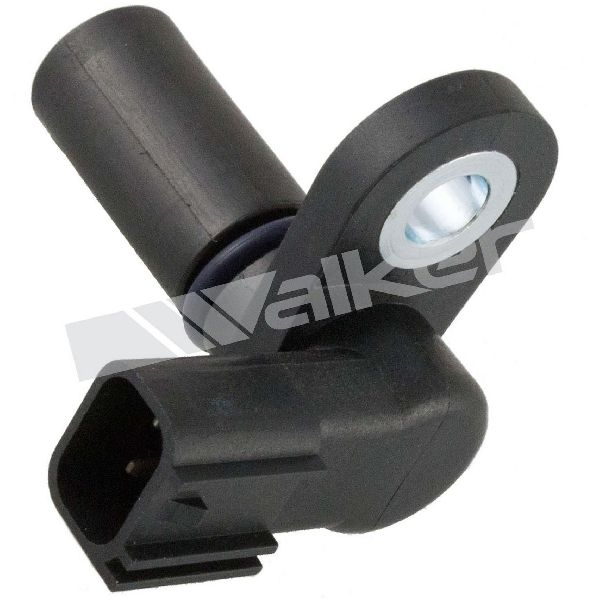
For the Duratec (VIN S): Yes, this is a great DIY job. The sensor is on the end of the cylinder head, held by one or two bolts, and is easy to access. It should take less than 30 minutes.
For the Vulcan (VIN U or 2): This is a more advanced DIY job (about a 6 out of 10 difficulty). You must set the engine to Top Dead Center (TDC) on cylinder #1 before removing the old synchronizer. The new part must be installed using a special alignment tool (usually included) to ensure correct timing. Doing this incorrectly can cause the engine to run poorly or not at all.
My Sable has the Duratec engine. How many cam sensors does it have?
The 3.0L DOHC Duratec engine has two camshaft position sensors, one for each cylinder head (bank). If one has failed, it's often a good idea to replace both at the same time, as they are the same age and have endured the same conditions.
Was there a recall for the camshaft position sensor on the Mercury Sable?
No, there were no official NHTSA safety recalls for the camshaft position sensor or synchronizer on the 1996-2000 Mercury Sable. However, Ford did issue Technical Service Bulletins (TSBs) to its dealers regarding the diagnosis and repair of the synchronizer on the 3.0L Vulcan engine, acknowledging the issue.
Technical Specifications
OEM Part Numbers: F6DZ-12A112-AA F7TZ-12A112-AA F8DZ-12A112-AA
This part is engine-specific. The Vulcan 3.0L OHV engine uses a single sensor mounted on a synchronizer assembly. The Duratec 3.0L DOHC engine uses two sensors mounted directly on the cylinder heads.
We Have This Part in Stock


The information in this article is provided for general reference and educational purposes only. Vehicle specifications, procedures, and part compatibility can vary by production date, trim level, and region. Always consult your vehicle's factory service manual and verify part numbers before purchasing or performing repairs. Safety-critical components such as airbags, seat belts, and braking systems should be installed by a qualified professional.
- Mercury Sable:
- 🛍️ Shop This Part
- Is Your Sable a Vulcan or a Duratec? It Matters.
- Critical Warning for Vulcan Engine Owners (VIN U or 2)
- Symptoms of a Failing Camshaft Position Sensor
- Choosing the Right Aftermarket Sensor
- Tier 1: Premium / OEM-Level Quality
- Tier 2: Solid Aftermarket Choices
- Tier 3: Economy Options
- Frequently Asked Questions (FAQ)
- 🎟️ Get 5% Off