

Mitsubishi Eclipse Brake Hose Guide: 1996-2000
Keep your 2G Eclipse stopping safely by learning when and how to replace your brake hoses.
- On a 25+ year old Eclipse, original brake hoses are a safety risk and should be inspected immediately and replaced as a set.
- Choose standard rubber hoses (like Dorman or Centric) for an affordable, OEM-equivalent repair.
- Upgrade to stainless steel braided hoses (like StopTech or Techna-Fit) for a firmer pedal and improved braking performance.
- Always flush and replace your brake fluid when changing hoses; this is not optional.
Is It Time to Replace Your Eclipse's Brake Hoses?
On a car as old as the 1996-2000 Mitsubishi Eclipse, rubber components like brake hoses are well past their intended service life. Age, heat from the brakes, and environmental factors cause the rubber to degrade. A failing brake hose is not a minor issue; it can lead to a complete loss of braking ability. Regular inspection is critical.
Symptoms of a Failing Brake Hose
- Spongy or Soft Brake Pedal: If the hose is swelling or expanding under pressure instead of transferring that pressure to the caliper, your pedal will feel soft. This feeling is more noticeable on older, worn-out rubber hoses.
- Visible Cracks or Bulges: Park the car, turn the steering wheel to full lock, and use a flashlight to inspect the front hoses. Look for cracks, blisters, or wet spots on the outer casing. Check the rear hoses as well.
- Brake Fluid Leaks: Puddles of clear or brownish fluid under the car near the wheels are a sure sign of a leak. Brake fluid is corrosive, so this needs immediate attention.
- Car Pulling to One Side: An internally collapsed hose can act like a one-way valve, keeping a brake applied after you've released the pedal. This can cause the car to pull to one side and may create a burning smell from the dragging brake.
Recall Information
There was a recall (NHTSA Campaign ID: 97V081001) for some 1997 Mitsubishi Eclipse models where front axle brake hoses may have been damaged during transportation, potentially causing leaks. While this recall is very old, it highlights the importance of hose integrity. Any 25+ year old original hose should be considered a candidate for replacement regardless of this specific recall.
Choosing the Right Aftermarket Brake Hose
For the 2G Eclipse, you have two main choices for aftermarket hoses: standard rubber replacements and performance-oriented stainless steel braided lines. Original Mitsubishi hoses are likely discontinued or very expensive and offer no advantage over quality aftermarket parts.
Tier 1: Standard Replacement (EPDM Rubber)
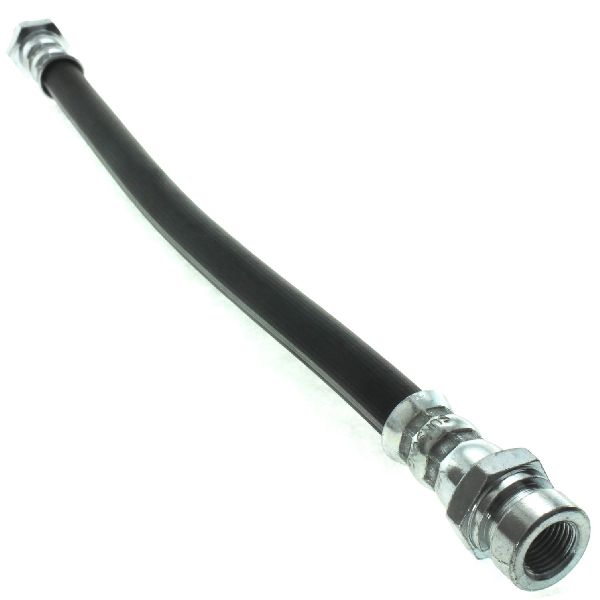
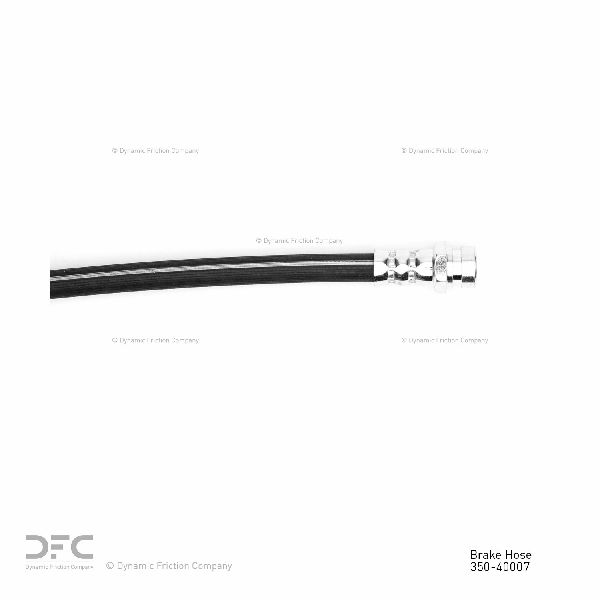
These hoses are designed to be direct replacements for the factory parts. They are made from EPDM rubber and meet or exceed Department of Transportation (DOT) safety standards. They provide the same feel and performance as the original hoses when they were new. This is the most cost-effective and practical choice for a daily driven or stock Eclipse.
- Brands: Dorman, Centric, Sunsong, Wagner, Raybestos.
- Quality Note: Many of these brands source their hoses from the same manufacturer, like Sunsong, and re-box them. Quality is generally consistent and reliable for daily use. They are all designed to meet the same DOT standards.
Tier 2: Performance Upgrade (Stainless Steel Braided)
A very popular upgrade for performance cars like the Eclipse, stainless steel braided lines offer a significant improvement in brake pedal feel. A layer of braided steel mesh over a Teflon inner tube prevents the hose from expanding under pressure. This results in a much firmer, more responsive, and consistent brake pedal, especially during hard braking. They are also more resistant to damage from road debris.
- Brands: StopTech, Raybestos (Performance), Russell, Techna-Fit.
- Pro-Tip: If you enjoy spirited driving or have done other performance upgrades to your Eclipse, stainless steel lines are a worthwhile investment for improved braking confidence.
| Part Type | Our Price Range (Per Hose) | Typical Use |
|---|---|---|
| Standard Rubber Hose | $10.36 - $25.00 | Stock replacement, daily driving |
| Stainless Steel Braided Hose | $30.00 - $76.36 | Performance driving, track use, firmer pedal feel |
Common Ordering Mistake
Pay close attention to the specific position of the hose you are ordering (Front Left, Front Right, Rear Left, Rear Right). While some rear hoses may be interchangeable, front hoses are often side-specific. Also, verify fitment for your exact sub-model (RS, GS, GST, GSX), as brake components can sometimes differ, especially between FWD and AWD models.
Frequently Asked Questions (FAQ)
Should I replace all four brake hoses at once?
Yes. If one rubber hose has failed due to age, the others are likely in similar condition and will fail soon. Replacing all four at the same time is the safest and most cost-effective approach in the long run.
Do I need special tools to replace brake hoses?
You will need a set of flare nut wrenches (also called line wrenches) to avoid stripping the soft metal fittings on the hard brake lines. You will also need tools to safely lift and support the vehicle, a catch pan for brake fluid, and a brake bleeding kit to remove air from the system after installation.
What else should I replace with my brake hoses?
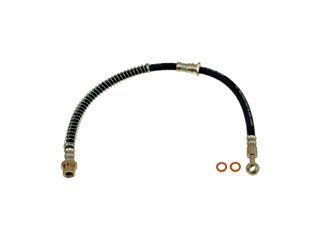
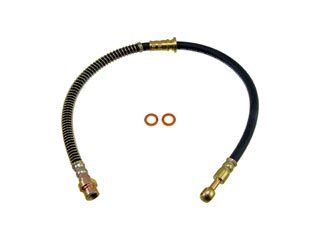
You MUST replace the brake fluid. The system has to be opened, so this is the perfect time to completely flush the old fluid and replace it with new DOT 3 or DOT 4 fluid, as specified for your vehicle. Also, ensure your new hoses come with new copper or aluminum crush washers for the banjo bolt fittings; never reuse old ones.
Rubber vs. Stainless Steel: Which is better for my Eclipse?
For a standard daily driver, new rubber hoses are perfectly adequate and restore original performance. For enthusiasts who want a firmer pedal and better braking feedback, stainless steel lines are a noticeable and recommended upgrade.
Technical Specifications
All aftermarket brake hoses sold in the US must meet Federal Motor Vehicle Safety Standard (FMVSS) 106 and be certified by the Department of Transportation (DOT). Hoses are specific to each wheel position (Front Left, Front Right, Rear Left, Rear Right).
We Have This Part in Stock


The information in this article is provided for general reference and educational purposes only. Vehicle specifications, procedures, and part compatibility can vary by production date, trim level, and region. Always consult your vehicle's factory service manual and verify part numbers before purchasing or performing repairs. Safety-critical components such as airbags, seat belts, and braking systems should be installed by a qualified professional.
- Mitsubishi Eclipse:
- 🛍️ Shop This Part
- Is It Time to Replace Your Eclipse's Brake Hoses?
- Symptoms of a Failing Brake Hose
- Recall Information
- Choosing the Right Aftermarket Brake Hose
- Tier 1: Standard Replacement (EPDM Rubber)
- Tier 2: Performance Upgrade (Stainless Steel Braided)
- Common Ordering Mistake
- Frequently Asked Questions (FAQ)
- 🎟️ Get 5% Off