

Porsche 911 (996) Engine Coolant Temperature Sensor Guide (1999-2000)
Understanding the symptoms and replacement of a faulty coolant temperature sensor in your water-cooled 911.
- This part is ONLY for water-cooled 1999-2000 Porsche 911 (996) models.
- A bad sensor affects more than the gauge; it can cause poor fuel economy, overheating, and hard starts.
- Replacement is a manageable DIY job, but access is tight and requires removing the airbox.
- Many Porsche owners recommend using an OEM part for this critical sensor to ensure accuracy and reliability.
A Note on Vehicle Years
This guide is for the water-cooled Porsche 911 (996 generation) built from 1999-2000. The earlier 1996-1998 Porsche 911 (993 generation) is air-cooled and does not use an engine coolant temperature sensor. It is crucial to identify your specific 911 model before purchasing this part.
Symptoms of a Failing Coolant Temperature Sensor
A bad coolant temperature sensor can cause a surprising number of issues beyond just an incorrect gauge reading. Because the sensor provides critical data to the engine computer, a faulty signal can lead to poor engine performance. Common signs of failure include:
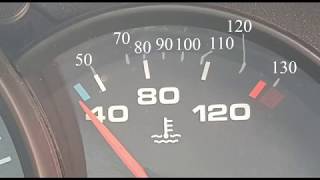
- Erratic Temperature Gauge: The needle on your dash may jump around, read extremely high, or drop to zero unexpectedly. 🎬 See a demonstration of Porsche 996 coolant gauge accuracy.
- Check Engine Light: The sensor can trigger a Check Engine Light, sometimes with codes like P0128, which indicates the coolant temperature is below the normal regulating temperature.
- Poor Fuel Economy: If the sensor incorrectly tells the computer the engine is always cold, the computer will continuously supply a rich fuel mixture, hurting your gas mileage.
- Black Smoke from Exhaust: A consistently rich fuel mixture can result in unburned fuel exiting the exhaust, appearing as black smoke.
- Engine Overheating: If the sensor fails to report a high temperature, the engine's cooling fans may not activate when needed. 🎬 Learn more about common causes for Porsche 996 overheating.
- Hard Starting When Warm: Some owners report difficulty starting the engine when it's already at operating temperature, a condition known as a "hot start" problem.
Choosing the Right Aftermarket Part
When replacing a critical sensor on a Porsche, there is a debate between using an original equipment (OEM) part from the dealer and a more affordable aftermarket option.
OEM vs. Aftermarket Sensor
| Part Type | Pros | Cons |
|---|---|---|
| OEM (Genuine Porsche) | Guaranteed fit, finish, and electronic compatibility. The safest bet for reliability. | Highest cost. |
| New Aftermarket | Most affordable option, widely available. | Quality and electronic calibration can be inconsistent. Some Porsche owners report issues with aftermarket cooling system parts causing incorrect readings or premature failure. |
Pro Tip: Many experienced Porsche owners prefer to use OEM or OEM-supplier parts for critical engine sensors. While an aftermarket sensor offers significant cost savings, the risk of incorrect temperature readings, poor performance, or having to do the job twice leads many to choose the dealer part for peace of mind.
Replacement Cost
The cost to replace the coolant temperature sensor depends on the type of part you choose and whether you do the work yourself.
Estimated Costs (1999-2000 Porsche 911)
| Item | Cost |
|---|---|
| New Aftermarket Part | $16.73 |
| New OEM Part | $35 - $50 |
| Shop Labor | $150 - $250 |
| Total (DIY Aftermarket) | ~$17 |
| Total (Shop Installed OEM) | $185 - $300 |
Frequently Asked Questions
Where is the coolant temperature sensor located?
On the 1999-2000 Porsche 911 (996), the sensor is located on the top of the engine, near the cylinder head on the right (driver's) side of the car, often situated behind the alternator. You will need to remove the engine airbox to access it.
Is this a difficult repair to do myself?
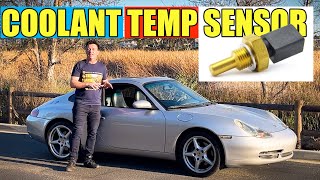
For a DIY mechanic, this is a feasible job. The main challenge is the tight access to the sensor's location. The part itself is simple to unscrew and replace. The job typically takes about one hour. 🎬 Watch this step-by-step guide to installing your new sensor. You will lose a small amount of coolant, so it's wise to have the new sensor ready to install quickly to minimize the loss.
What tools are needed for the replacement?
You will need basic tools to remove the airbox (like a 13mm socket). For the sensor itself, a 22mm socket is required. Many DIY guides recommend using an O2 sensor socket, as its side-cutout can make it easier to fit over the sensor's electrical connector.
Is this the same as the coolant LEVEL sensor?
No. The coolant temperature sensor reads the temperature of the coolant. The coolant level sensor is located in the coolant expansion tank and triggers a warning light if the coolant level is low. A failure of the level sensor can also cause a flashing light on the dash, but it won't cause the performance issues associated with a bad temperature sensor.
Do I need to drain the coolant to replace the sensor?
You do not need to drain the entire cooling system. However, since the sensor sits in a coolant passage, you will have some spillage when you remove it. Some owners drain about a gallon of coolant to bring the level below the sensor before starting. Others simply work quickly, removing the old sensor and immediately installing the new one to minimize coolant loss.
Helpful Videos
Technical Specifications
OEM Part Numbers: 99660641000 99660640501
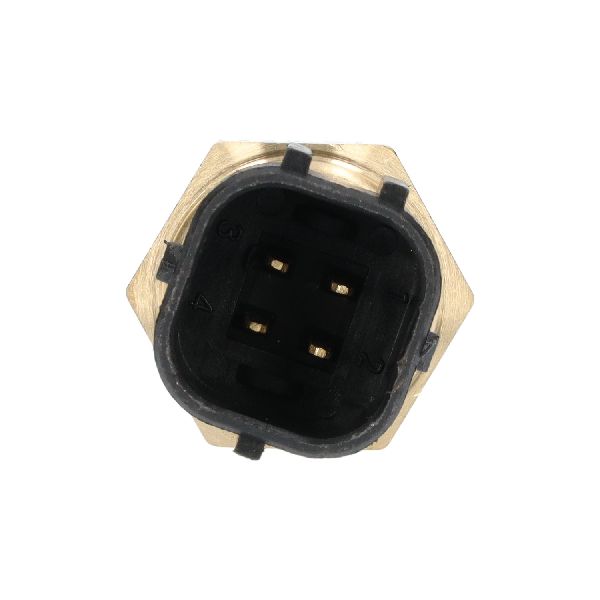
Early 996 models typically use a 4-pin sensor that sends separate signals to the ECU and the dashboard gauge. Later or different models may use a 2-pin version. It is critical to verify which sensor your specific vehicle requires before purchasing.
We Have This Part in Stock

The information in this article is provided for general reference and educational purposes only. Vehicle specifications, procedures, and part compatibility can vary by production date, trim level, and region. Always consult your vehicle's factory service manual and verify part numbers before purchasing or performing repairs. Safety-critical components such as airbags, seat belts, and braking systems should be installed by a qualified professional.
- Porsche 911: