

Choosing the Right Disc Brake Pads for Your 1996-2000 Volkswagen Passat
Get the best stopping power for your B5 Passat by understanding your brake pad options.
- For most drivers, premium aftermarket brands like ATE, Textar, or Bosch offer the best balance of performance and value, closely matching the original factory feel.
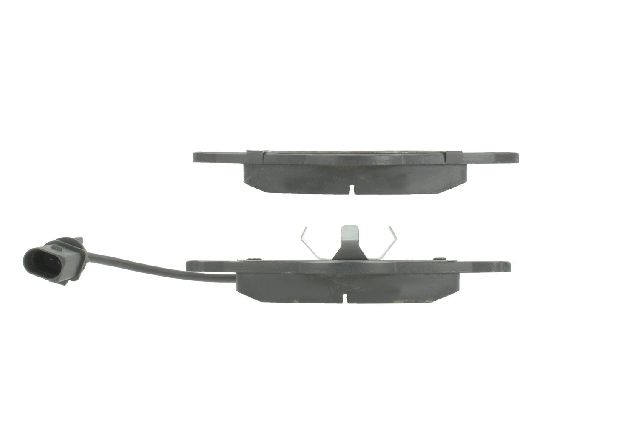
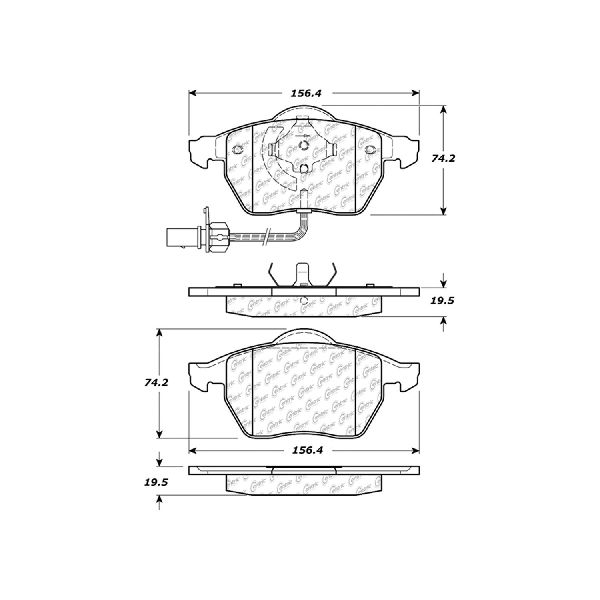
- Your Passat has a front brake pad wear sensor; ensure your replacement pads are compatible or include a new one.
- For best results and safety, plan to replace your brake rotors at the same time as your pads.
- Common symptoms of failure include squealing noises, a grinding sound, a pulsating pedal, and a 'Check Brake Pads' warning light on the dash.
Symptoms of Failing Brake Pads
When your Passat's brake pads are nearing the end of their life, your car will give you several warning signs. One of the most common is a high-pitched squealing or screeching sound when you apply the brakes. This is often caused by a small metal tab called a wear indicator, which is designed to contact the rotor and make noise when the pad material is low. You might also notice a grinding noise, which is a more serious sign that the pads are completely worn out and metal is grinding against metal. Other symptoms include a pulsating or vibrating feeling in the brake pedal or steering wheel, your car taking longer to stop, or the brake warning light illuminating on your dashboard. The 1996-2000 Passat is equipped with a brake pad wear sensor on the front inboard pads, which triggers this light.
Choosing the Right Aftermarket Brake Pads
When it comes to replacing brake pads on a German car like your Passat, you have many options. Aftermarket parts can offer similar or even better performance than Original Equipment (OEM) parts, often at a lower price. The key is to choose a quality brand and the right type of pad for your driving style.
Brake Pad Brand Tiers for Your Passat
| Tier | Brands | Characteristics & Best For |
|---|---|---|
| OEM Equivalent / Premium | ATE, Textar, Pagid, Bosch, Brembo | These brands are often the original suppliers to Volkswagen. They provide a factory-like feel, quiet operation, and predictable performance. ATE Ceramic pads are noted for producing very little dust. This is the best choice for most daily drivers who want to maintain the car's original braking characteristics. |
| Performance / Sport | Hawk Performance, EBC Brakes, Powerstop | Designed for more aggressive driving, these pads offer higher friction and better resistance to brake fade at high temperatures. They provide increased stopping power but may produce more dust and noise than OEM-style pads. They can also cause more wear on your brake rotors. |
| Economy / Daily Driver | Wagner, Raybestos, Centric, Dynamic Friction | These brands offer a good balance of performance and value for everyday commuting. They are a reliable and affordable option for drivers who don't need high-performance capabilities. Quality can vary more in this tier, so sticking to well-known names is recommended. |
A Note on Pad Material: Most pads for your Passat will be either ceramic or semi-metallic. Ceramic pads are known for being quiet and producing low dust, making them great for daily driving. Semi-metallic pads offer better performance in a wider range of temperatures and are often preferred for spirited driving, though they can be noisier.
Common Ordering Mistakes & Pro Tips
- Check for Wear Sensors: Your Passat uses a brake pad wear sensor on the front axle. When buying front pads, ensure the set either includes a new sensor or is compatible with your existing one if it's being reused. Many aftermarket performance pads eliminate the sensor, which may require bypassing the circuit to turn off the dash light.
- Rotors Matter: While you can sometimes install new pads on old rotors, it's not always recommended. If your rotors have grooves or a significant lip on the edge, they should be replaced at the same time as the pads. Putting new pads on a worn rotor surface will reduce braking effectiveness and cause the new pads to wear out prematurely. Mechanics often recommend brands like Zimmermann for rotors to pair with quality pads.
- Brake-In Procedure: Always follow the manufacturer's recommended break-in (or "bedding-in") procedure for new pads and rotors. This process deposits an even layer of friction material onto the rotor surface, ensuring smooth, powerful, and quiet braking for the life of the pads.
Frequently Asked Questions (FAQ)
Do I need to replace my rotors with my brake pads?
It is highly recommended. While technically you can put new pads on old rotors, it's best practice to replace them together. This ensures a fresh, flat surface for the new pads to bed into, providing optimal performance and longevity. A worn or grooved rotor will quickly ruin new pads.
What's the difference between OEM and aftermarket pads?
OEM (Original Equipment Manufacturer) pads are what the car was fitted with at the factory. Aftermarket pads are made by other companies. For this Passat, brands like Textar and ATE are often the OEM supplier, so choosing them is like getting a factory part. Other aftermarket brands can offer different characteristics, like lower dust (Akebono, ATE Ceramic) or higher performance (Hawk, EBC).
What does the 'Check Brake Pads' light on my dash mean?
This warning light is triggered by a sensor embedded in your front brake pads. When the pads wear down to a certain thickness, the sensor wire breaks, which illuminates the light on your instrument cluster. It means you should get your brakes inspected and replaced soon.
Can I change the brake pads myself?
Yes, changing the brake pads on a 1996-2000 Passat is a common DIY job for someone with basic mechanical skills and the right tools. You will need a jack, jack stands, a lug wrench, a socket set, and a C-clamp or piston compression tool to push the caliper piston back. The rear calipers on this model may require a special tool to rotate the piston back into the caliper.
Technical Specifications
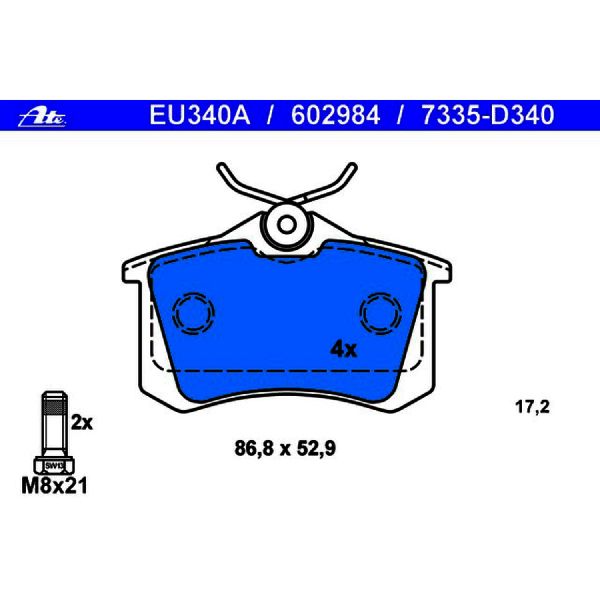
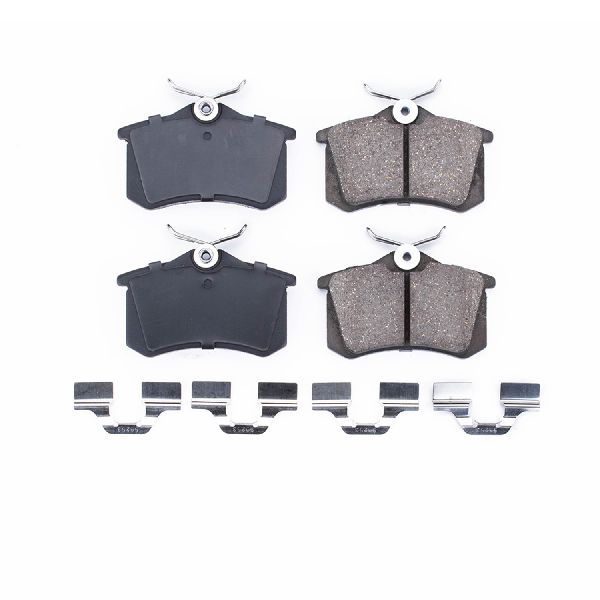
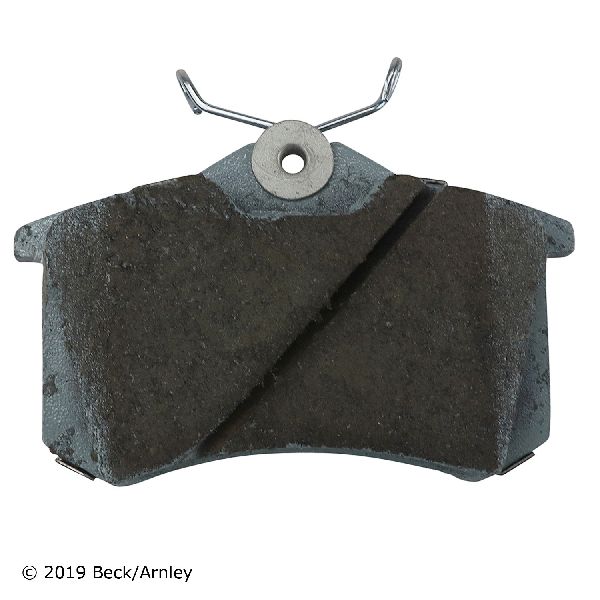
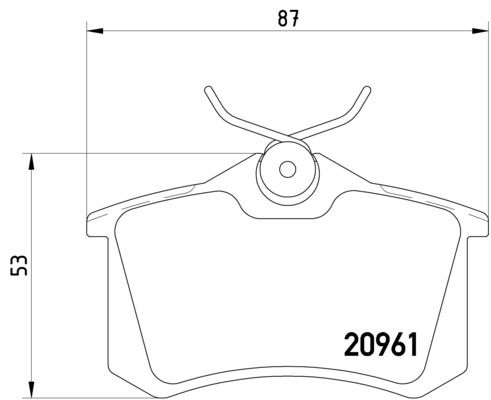
The front brake pads for the 1996-2000 VW Passat include a slot for a wear sensor on the inboard pad. The rear calipers may require a special tool to retract the piston for pad replacement.
We Have This Part in Stock

The information in this article is provided for general reference and educational purposes only. Vehicle specifications, procedures, and part compatibility can vary by production date, trim level, and region. Always consult your vehicle's factory service manual and verify part numbers before purchasing or performing repairs. Safety-critical components such as airbags, seat belts, and braking systems should be installed by a qualified professional.
- Volkswagen Passat: