

Engine Coolant Temperature Sensor Guide for 1996-2001 Audi A4
Understand the common failure symptoms of the coolant temperature sensor in your B5 Audi A4 and learn how to choose the right replacement part.
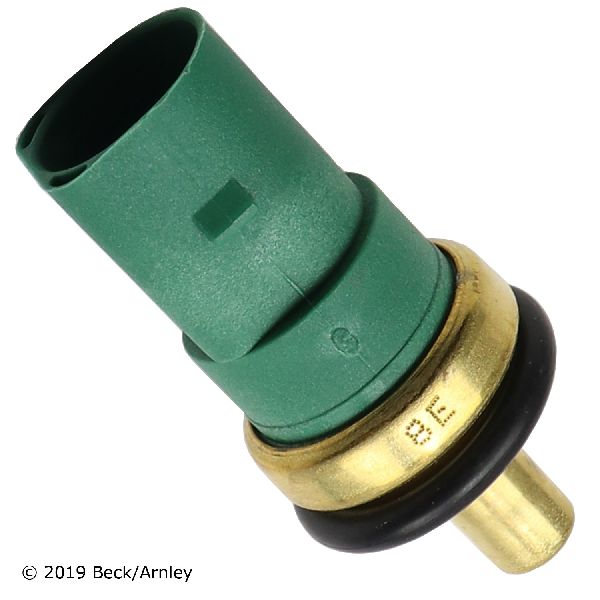
- Verify your existing sensor's color (blue/black or green) and connector shape before buying a replacement.
- A failing sensor can cause a wide range of issues, from bad gas mileage and a check engine light to a no-start condition.
- Choosing a quality brand like Hella, Vemo, or Delphi is recommended over cheaper options for reliability on this vehicle.
- Always replace the small O-ring and plastic retaining clip to prevent coolant leaks after the repair.
Is a Bad Coolant Temp Sensor Causing Your A4 Problems?
A failing Engine Coolant Temperature (ECT) sensor is a very common issue on the B5 platform Audi A4 (1996-2001). When this sensor starts to go bad, it sends incorrect information to the engine's computer. This can make the computer think the engine is cold when it's actually warm, leading to a host of drivability problems. Ignoring these symptoms can lead to poor performance, bad fuel economy, and potentially leave you stranded.
Symptoms of a Failing ECT Sensor
If your ECT sensor is failing, you'll likely notice one or more of these issues:
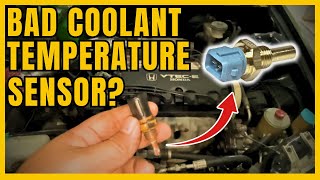
🎬 Watch: 8 common symptoms of a failing coolant sensor- Check Engine Light: This is often the first sign. The computer will store fault codes like P0117 (signal too low) or P0118 (signal too high).
- Poor Fuel Economy: The engine computer may enrich the fuel mixture, thinking the engine is cold, which wastes gas.
- Black Smoke from Exhaust: This is a sign of a rich fuel mixture, where too much gasoline is being burned.
- Hard Starting, Especially When Warm: The engine may be difficult to start after it has been running because the fuel mixture is incorrect for a warm engine. 🎬 See how a bad sensor causes no-start issues
- Erratic Temperature Gauge: The needle on your dash may jump around, read incorrectly, or not move at all.
- Cooling Fans Run Constantly or Not at All: The sensor may fail to tell the fans when to turn on, risking overheating, or it may tell them to stay on continuously.
- Rough Idle: The engine may shake or idle poorly due to the incorrect fuel mixture.
Known Issues & Part Variations
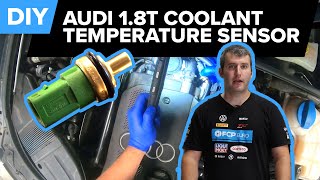
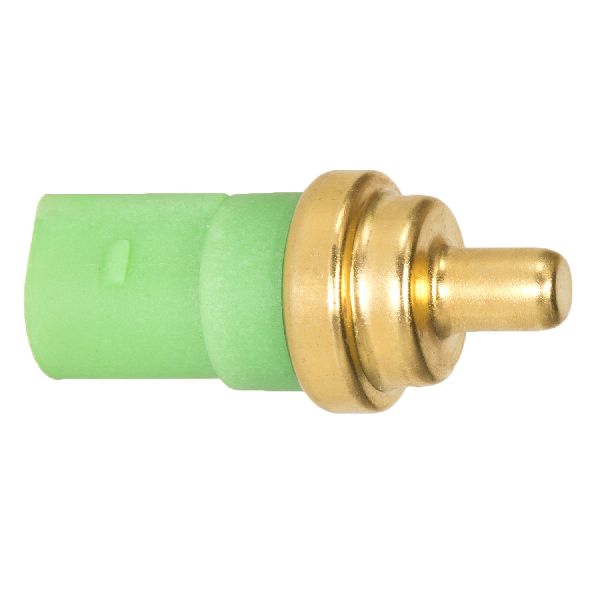
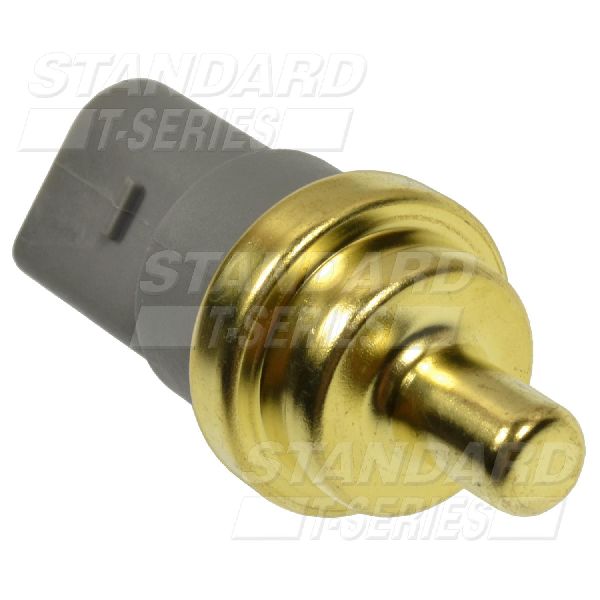
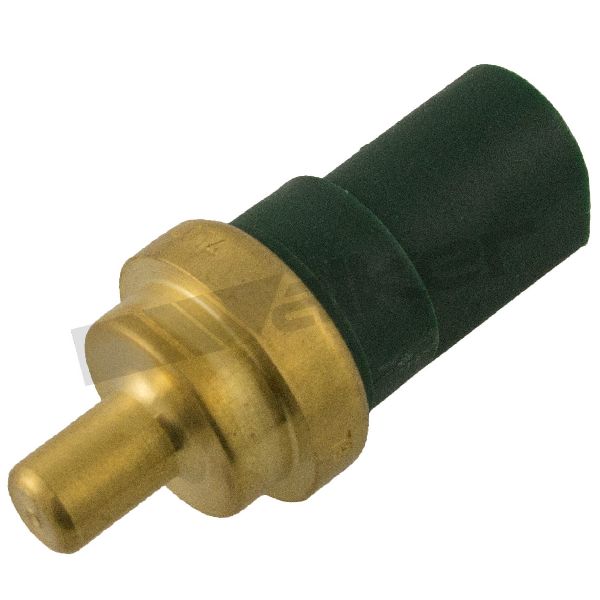
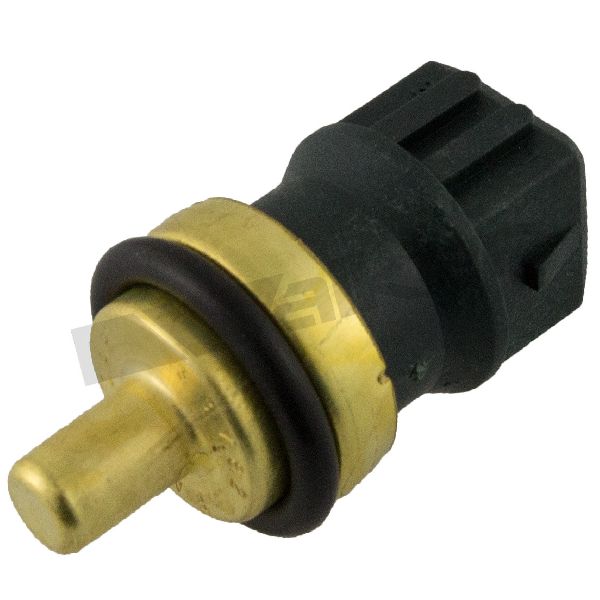
For the 1996-2001 A4, Audi used different ECT sensors over the years. Early models often had a blue or black square-shaped sensor, while later models used a revised green sensor with a more rounded connector. It is critical to visually inspect your car's current sensor and connector shape before ordering a replacement to ensure you get the correct part. The new sensor should always be installed with a new O-ring and retaining clip, which are often included.
Choosing the Right Aftermarket Sensor: Quality Matters
For German vehicles like your Audi A4, sensor quality is very important. While many budget-friendly options exist, forum users and mechanics often report that cheap, unbranded sensors can be inaccurate out of the box or fail prematurely. Sticking with a known OEM supplier or a high-quality aftermarket brand is a smart investment for this part.
| Brand Tier | Brands | General Assessment |
|---|---|---|
| Tier 1: OEM / OES Quality | Hella, Vemo, Delphi, NGK | These brands are often original equipment suppliers to VW/Audi or are known for producing parts that meet or exceed OEM standards. They are highly recommended for reliability and accuracy. |
| Tier 2: Trusted Aftermarket | Beck Arnley, Standard Ignition (SMP), Walker Products, Holstein | These are reputable aftermarket brands that generally offer good quality and performance. They are a solid choice if an OEM/OES brand is not available. |
| Tier 3: Value-Oriented | Four Seasons, Motorad, Facet, True Tech, Global Parts | These brands offer a lower price point. While they may function correctly, they are sometimes associated with a higher risk of premature failure or inaccurate readings compared to higher-tier brands. |
Installation Tip
The ECT sensor is located on a coolant flange at the back of the engine, near the firewall. Access can be tight, especially on the 1.8T engine. You may need to move some vacuum or PCV hoses to reach it. Be prepared for some coolant to spill when you remove the old sensor. Work quickly to swap the new sensor in to minimize coolant loss. 🎬 Watch this step-by-step 1.8T sensor replacement guide Always make sure the old O-ring comes out with the old sensor.
Frequently Asked Questions
Do I need to drain all the coolant to replace the sensor?
No, you do not need to drain the entire system. Some coolant will leak out when you pull the sensor, so have the new sensor ready to install quickly. It's a good idea to have a drain pan underneath and some extra G12/G13 coolant to top off the system afterward.
Is the sensor for the dashboard gauge different from the one for the engine computer?
On the 1996-2001 A4, it is typically a single 4-pin sensor that sends two separate signals: one for the gauge and one for the ECU. It's possible for one half of the sensor to fail while the other still works, for example, your gauge might stop working but the car still runs okay.
What happens if I ignore a bad ECT sensor?
Ignoring a bad sensor can lead to chronically poor fuel mileage, failed emissions tests, and carbon buildup inside the engine from running too rich. In a worst-case scenario where the sensor fails to trigger the cooling fans, the engine could overheat, leading to severe and expensive damage like a warped cylinder head.
Why did my new sensor come with a new clip and O-ring?
The plastic retaining clip and rubber O-ring are critical for a proper seal. The old clip can become brittle from heat and break during removal, and the old O-ring can become compressed and fail to seal properly, causing a coolant leak. It is essential to use the new clip and O-ring that come with your new sensor.
Helpful Videos
Technical Specifications
OEM Part Numbers: 059919501A 078919501B
Typically a 4-pin sensor that provides separate signals to the ECU and the instrument cluster gauge. Held in place by a plastic clip and sealed with a rubber O-ring.
We Have This Part in Stock


The information in this article is provided for general reference and educational purposes only. Vehicle specifications, procedures, and part compatibility can vary by production date, trim level, and region. Always consult your vehicle's factory service manual and verify part numbers before purchasing or performing repairs. Safety-critical components such as airbags, seat belts, and braking systems should be installed by a qualified professional.
- Audi A4: