

A Guide to Selecting Spark Plugs for the 1996-2001 BMW 328i
Keep your E36 or E46 328i running smoothly with the correct set of spark plugs.
- Verify if your 1999 328i is an E36 or E46 before purchasing, as they require different plugs.
- Stick with OEM supplier brands like NGK and Bosch for the best results; they are the factory-spec parts.
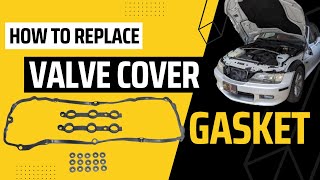
- When changing plugs, check for oil in the plug wells, which indicates a common valve cover gasket leak.
- Always use a torque wrench set to the factory specification (approx. 18-21 ft-lbs) to avoid damaging the cylinder head.
Is Your 1999 328i an E36 or E46? Check First!
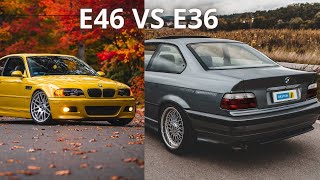
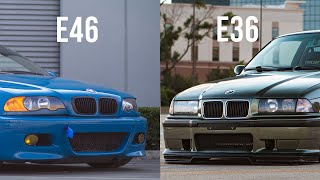
Before buying spark plugs, it is critical to identify your vehicle's chassis. The 1996-2001 period covers two different generations of the 3-series: the E36 and the E46. The year 1999 was a crossover year for the 328i model. They use different engines (M52 for E36, M52TU for E46) and require different types of spark plugs. Installing the wrong plugs can cause poor performance.
- 1996-1998 328i: You have an E36.
- 2000-2001 328i: You have an E46.
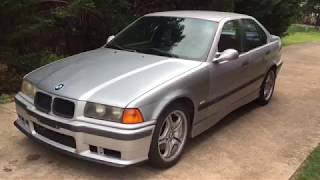
- 1999 328i: You could have either an E36 (typically coupe/convertible models produced late into the run) or an E46 sedan. Check your vehicle's VIN or visual body style to be certain. 🎬 Watch: How to tell the difference between E36 and E46
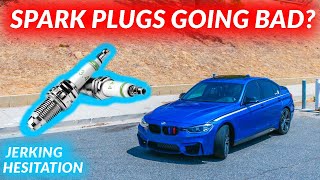
Symptoms of Failing Spark Plugs
Worn spark plugs can make your smooth BMW feel rough. Look for these common signs:
- Rough Idle: The engine shakes or vibrates more than usual when stopped.
- Engine Misfires: You may feel a stutter or hesitation during acceleration. This can trigger the Check Engine Light with codes P0300 through P0306.
- Reduced Power & Acceleration: The car feels sluggish and slow to respond.
- Worse Fuel Economy: You're stopping for gas more often because unburnt fuel is being wasted.
- Difficulty Starting: The engine takes longer to crank and turn over. 🎬 See this video on how to spot bad spark plugs
Pro Tip: Check for Oil Leaks
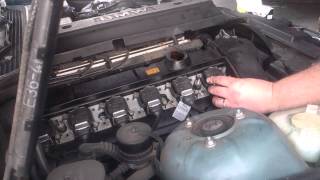
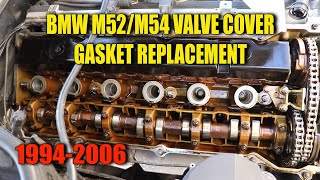
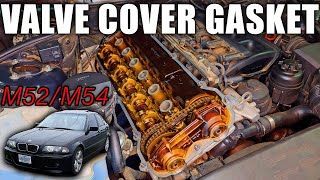
When you remove the ignition coils, check the spark plug wells for oil. Oil pooling in this area is a very common sign of a leaking valve cover gasket on these M52 engines. If there is oil, you should replace the valve cover gasket at the same time you replace the plugs to prevent 🎬 Watch: Step-by-step guide to replacing your valve cover gasket the new plugs and coils from being damaged.
Choosing the Right Aftermarket Spark Plugs
BMW does not manufacture its own spark plugs. The original parts are made by brands like NGK and Bosch. This means you can buy the exact same quality part from an aftermarket supplier, often for less money than you'd pay at a dealership.
Brand Quality Tiers
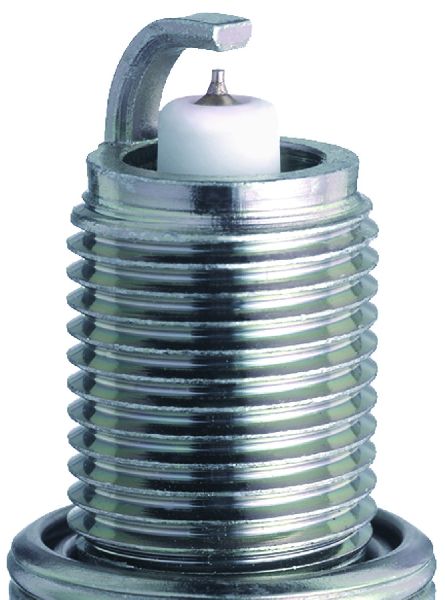
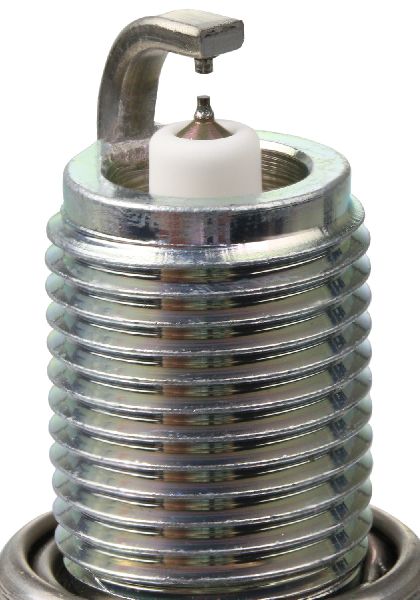
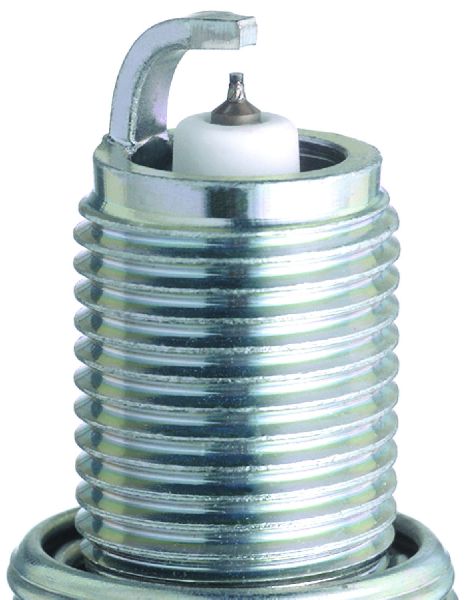
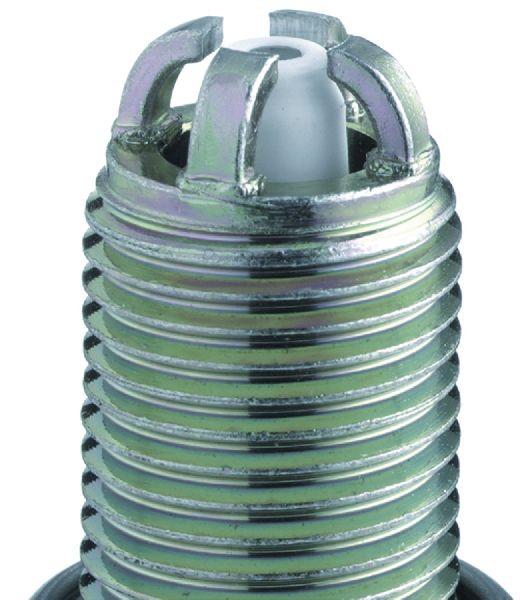
- OEM-Equivalent (Recommended): NGK and Bosch are the original equipment suppliers for BMW. For most owners, these are the best choice for reliability and performance. For the E36, the NGK BKR6EK is the standard recommendation. For the E46, the NGK BKR6EQUP is the correct platinum plug.
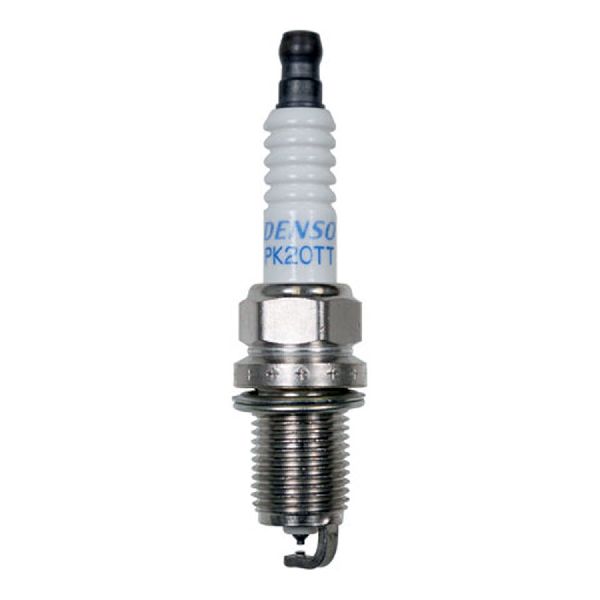
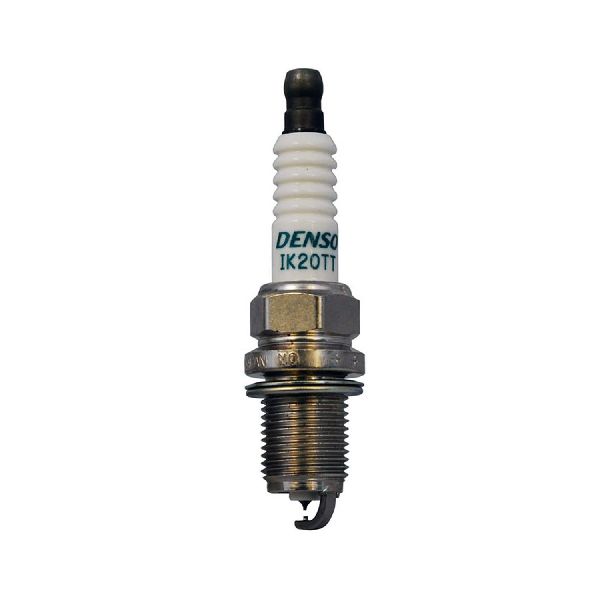
- High-Quality Alternatives: Denso is a well-respected Japanese brand that makes excellent iridium and copper plugs that are a suitable alternative to the OEM brands.
- Standard Tier: Brands like Champion and Autolite offer compatible plugs. While functional, they are not as commonly used or recommended in BMW enthusiast communities as NGK, Bosch, or Denso.
Warning for E36 Owners
Many owners of the E36 328i with the M52 engine report performance issues when using multi-ground platinum plugs (like the Bosch Platinum +4). It is safest to stick with the recommended dual-electrode copper plugs, such as the NGK BKR6EK, which these engines were designed for.
| Part Type | Price Range |
|---|---|
| New Aftermarket (NGK, Bosch, Denso) | $25 - $125 |
| New OEM (from BMW Dealer) | $120 - $195 |
Frequently Asked Questions
How often should I replace the spark plugs?
For the 1996-2001 328i, a general rule is to replace standard copper plugs every 30,000 miles and long-life platinum or iridium plugs every 60,000-80,000 miles. However, if you notice any failure symptoms, you should inspect them regardless of mileage.
Do I need to gap my new spark plugs?
Most spark plugs from quality brands like NGK and Bosch come pre-gapped for your vehicle. It's always a good practice to verify the gap with a feeler gauge before installation, but you should not need to make adjustments. Attempting to gap fine-wire iridium or multi-electrode platinum plugs can easily damage them.
Should I use anti-seize on the threads?
This is a debated topic. Major manufacturers like NGK advise against using anti-seize on their modern plugs. The plugs have a special metal plating that prevents seizing and provides accurate torque readings. Using anti-seize can cause you to over-tighten the plug, potentially damaging the threads in the aluminum cylinder head. It is best to follow the plug manufacturer's recommendation and install them dry.
What's the difference between copper, platinum, and iridium plugs?
The main difference is the material of the center electrode, which affects lifespan and cost. Copper plugs offer great performance but have the shortest life (around 30,000 miles). Platinum and Iridium are harder metals that resist wear much longer, lasting up to 100,000 miles. For the E36, copper is often preferred, while the E46 came with platinum plugs from the factory.
Helpful Videos
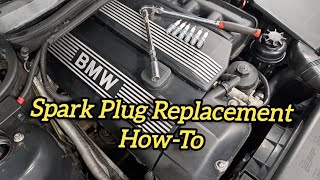
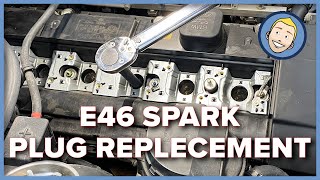
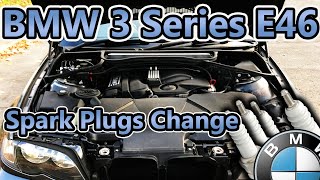


Technical Specifications
OEM Part Numbers: 12120037607 12129071003 12121704399 12129064619
E36 (M52 Engine): Typically NGK BKR6EK (copper, dual-electrode) or Bosch FLR8LDCU+. E46 (M52TU Engine): Typically NGK BKR6EQUP (platinum, four-electrode) or Bosch FGR7DQP.
We Have This Part in Stock

The information in this article is provided for general reference and educational purposes only. Vehicle specifications, procedures, and part compatibility can vary by production date, trim level, and region. Always consult your vehicle's factory service manual and verify part numbers before purchasing or performing repairs. Safety-critical components such as airbags, seat belts, and braking systems should be installed by a qualified professional.
- BMW 328i: