

Suspension Control Arm Bushing Guide for 1996-2001 BMW 328i (E36)
Fix your E36's steering shimmy and vague handling by choosing the right control arm bushings.
- A steering wheel shimmy between 45-60 mph is the most common symptom of failed control arm bushings on an E36 328i.
- For an OEM ride, choose Lemförder; for a durable rubber upgrade, choose Meyle HD; for performance handling, choose a polyurethane brand like Powerflex.
- Save time and effort by purchasing bushings that come pre-pressed into new mounting brackets.
- A four-wheel alignment is required immediately after replacement to prevent poor handling and uneven tire wear.
Is Your BMW 328i's Handling Off? Check the Control Arm Bushings
If your once-sharp E36 now feels vague, wanders on the highway, or makes clunking noises, the front control arm bushings are a likely culprit. These rubber or polyurethane parts are known wear items that take a lot of abuse. When they fail, they introduce unwanted play into the suspension, leading to a number of problems that degrade the driving experience. Replacing them is one of the best ways to restore your car's signature handling.
Symptoms of Bad Control Arm Bushings on a 1996-2001 328i
Worn bushings can cause several distinct issues. Look out for:
- Steering Wheel Shimmy: A vibration in the steering wheel, most commonly felt between 45 and 60 mph.
- Braking Shudder: A shaking or shuddering feeling through the steering wheel when you apply the brakes, which can be mistaken for warped rotors.
- Clunking Noises: A popping or clunking sound from the front end when driving over bumps, dips, or uneven roads.
- Steering Wander: A 'floaty' or disconnected feeling where the car requires constant small steering corrections to stay in a straight line at highway speeds.
- Uneven Tire Wear: Worn bushings can throw off the alignment, causing the inside or outside edges of your front tires to wear down prematurely.
Don't Ignore the Signs
Driving with completely failed bushings is unsafe. It severely compromises handling, braking stability, and can cause accelerated wear on other suspension components and tires.
Choosing the Right Aftermarket Bushing
You have several options when it comes to aftermarket bushings, each with its own trade-offs between comfort, performance, and durability.
Material: Rubber vs. Polyurethane
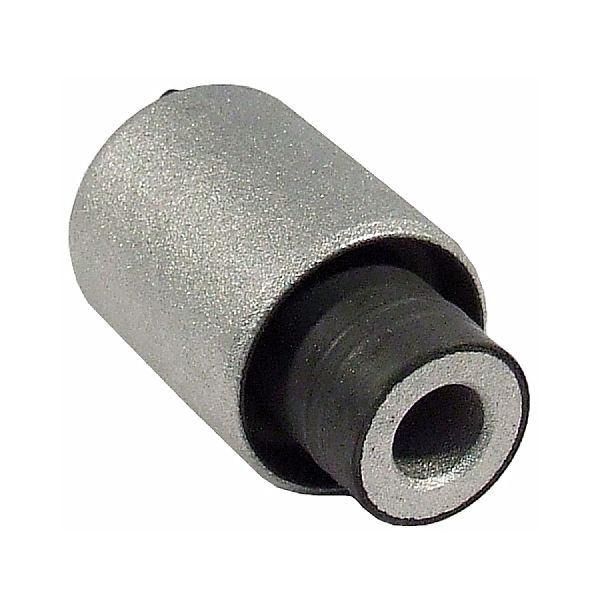
- Rubber Bushings (Good for Daily Driving): These offer a ride quality similar to the original factory parts. They are quiet and do the best job of absorbing road noise and vibrations. High-quality solid rubber bushings can be an upgrade over the original, softer design.
- Polyurethane Bushings (Good for Performance): Brands like Nolathane, Whiteline, and Powerflex offer polyurethane (poly) bushings. These are much stiffer than rubber, which reduces suspension deflection and provides sharper, more responsive steering. The downside is a potential increase in noise, vibration, and harshness (NVH), making the ride feel firmer or crashy on rough roads.
Brand Quality Tiers
Not all aftermarket brands are created equal. Based on owner feedback, here’s a general breakdown:
- OEM-Equivalent & Premium Rubber: Brands like CRP and Delphi provide reliable, standard replacements. Lemförder is the original equipment manufacturer and is considered the gold standard for an OEM-feel replacement. Meyle HD is a popular upgrade, featuring a solid rubber design that is more durable than the stock non-M bushings.
- Performance Polyurethane: Powerflex, Nolathane, and Whiteline are well-regarded brands for performance-oriented drivers who are willing to trade some comfort for enhanced handling.
- Economy/Budget: Brands like URO Parts, Dorman, and Moog are generally not recommended by the E36 enthusiast community for this specific part. Forum discussions frequently mention premature failure, sometimes within months of installation, making them a poor value despite the low initial cost. Febi is often considered a mid-tier option, but some view its quality as inconsistent.
Pro Tip: Buy Pre-Pressed Bushings
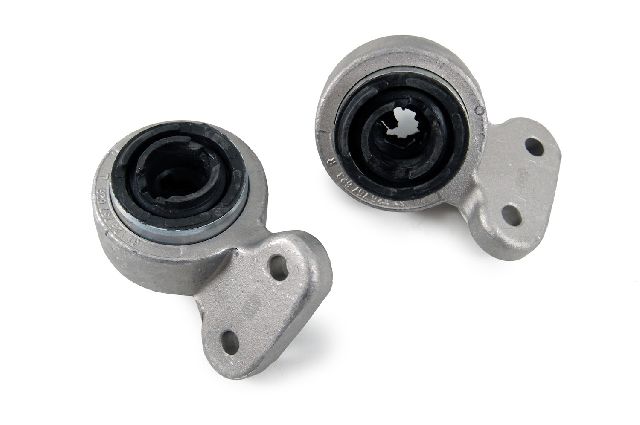
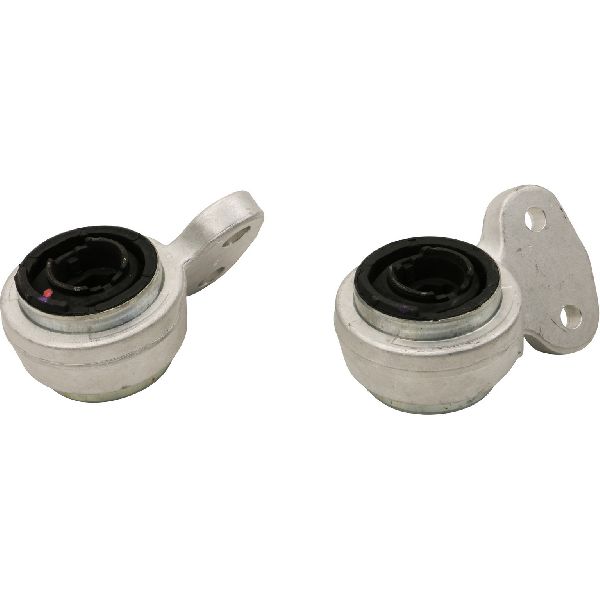
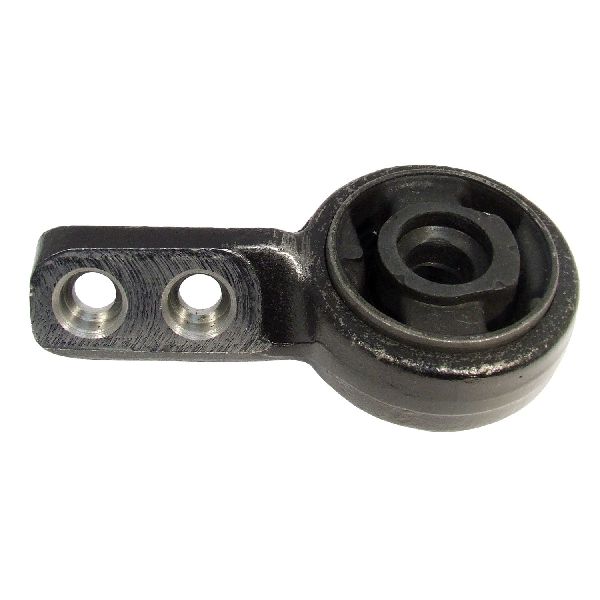
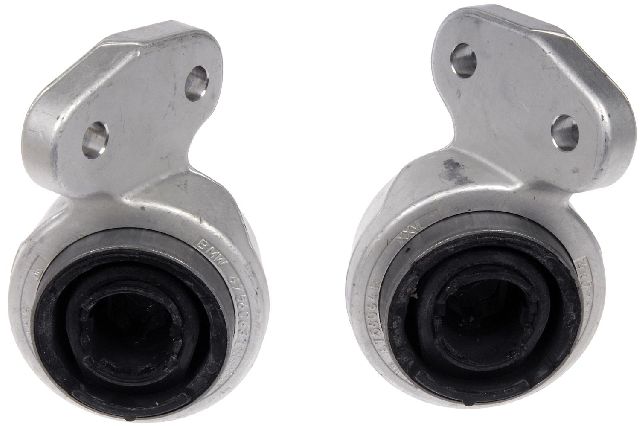
The hardest part of this job is pressing the old bushing out of its bracket and pressing the new one in. Many brands, including Meyle HD, sell the bushing pre-installed in a new bracket (the 'lollipop'). This saves a significant amount of time and eliminates the need for a hydraulic press, making the job much easier for a DIY mechanic.
Cost of Replacing Control Arm Bushings on a BMW 328i
| Part/Service | Estimated Cost |
|---|---|
| New Aftermarket Bushings (Pair) | $15 - $230 |
| New OEM Bushings (Pair, Lemförder) | $120 - $150 |
| Shop Labor | $250 - $550 |
| Total (DIY) | $15 - $230 + Tool Rental |
| Total (Installed at Shop) | $265 - $780 |
Costs are estimates and can vary by location and parts supplier. A wheel alignment ($100-$200) is also required after installation.
Frequently Asked Questions (FAQ)
Should I replace just the bushings or the entire control arm?
If your car has high mileage (over 100k miles), it's wise to consider replacing the entire control arm assembly. The control arms also have two ball joints that wear out over time. Replacing the whole arm, which often comes with new ball joints and a new bushing, can save you labor in the long run and fully restores the front suspension.
Do I need a wheel alignment after replacing the bushings?
Yes, absolutely. Replacing the control arm bushings will affect your car's suspension geometry. A four-wheel alignment is mandatory after the job is complete to ensure proper handling, safety, and to prevent rapid tire wear.
What are offset M3-style bushings?
Some aftermarket bushings are available in an 'offset' design, similar to those on the E36 M3. These bushings slightly shift the position of the control arm to increase caster, which can improve straight-line stability and steering feel during cornering. For a daily-driven 328i, standard centered bushings are perfectly fine, but offset bushings are a popular performance upgrade.
Is this a good DIY project?
This job is feasible for an experienced DIYer. However, it requires special tools. You will need a bushing puller/installer tool or a shop press to get the bushing on and off the arm. If you buy bushings that are pre-pressed into new brackets, the job becomes much simpler and only requires basic hand tools, a jack, and jack stands.
Technical Specifications
OEM Part Numbers: 31129059288 31121139789 31129069035
The bushing is pressed into a separate aluminum bracket, often called a 'lollipop'. Bushings are available in centered (standard) and offset (M3-style) configurations.
We Have This Part in Stock

The information in this article is provided for general reference and educational purposes only. Vehicle specifications, procedures, and part compatibility can vary by production date, trim level, and region. Always consult your vehicle's factory service manual and verify part numbers before purchasing or performing repairs. Safety-critical components such as airbags, seat belts, and braking systems should be installed by a qualified professional.
- BMW 328i:
- 🛍️ Shop This Part
- Is Your BMW 328i's Handling Off? Check the Control Arm Bushings
- Symptoms of Bad Control Arm Bushings on a 1996-2001 328i
- Don't Ignore the Signs
- Choosing the Right Aftermarket Bushing
- Material: Rubber vs. Polyurethane
- Brand Quality Tiers
- Pro Tip: Buy Pre-Pressed Bushings
- Cost of Replacing Control Arm Bushings on a BMW 328i
- Frequently Asked Questions (FAQ)
- 🎟️ Get 5% Off