

BMW 528i (1996-2001) Engine Air Intake Hose: A Complete Guide
If your E39 528i has a rough idle or a check engine light for lean codes, a cracked air intake hose is the most likely culprit.
- A cracked intake hose is the most common cause of lean codes (P0171/P0174) and rough idle on the E39 528i.
- Before ordering, you must verify your car's production date to get the correct part (single piece vs. two-piece).
- Cracks often hide in the accordion ribs of the hose and may not be obvious without removing and flexing the part.
- Replacement is a simple DIY task that can be done in under 30 minutes with basic tools.
Symptoms of a Failing Intake Hose
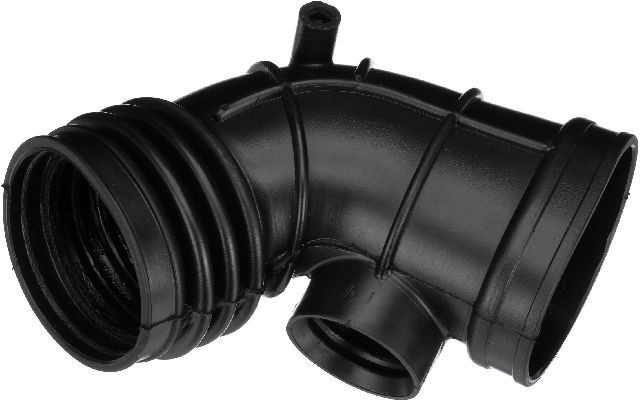
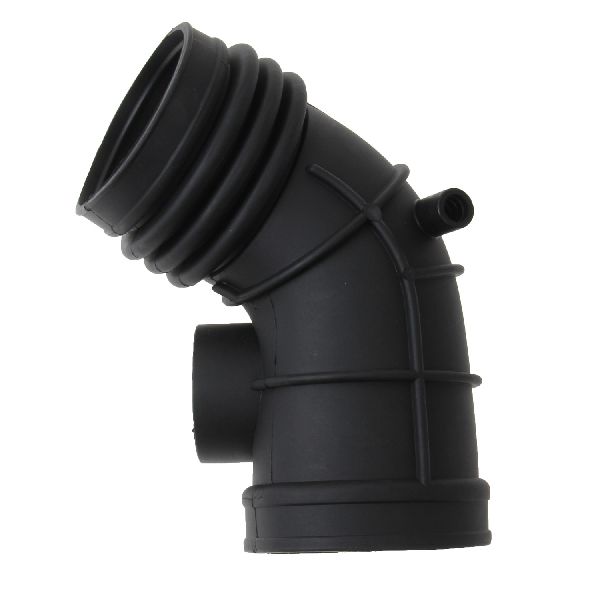
The original rubber intake hose on the 1996-2001 BMW 528i is exposed to constant engine heat and vibration. Over time, the rubber becomes hard, brittle, and eventually cracks. These cracks often hide in the accordion-style ribs, making them difficult to see with a quick glance. When the hose fails, you will likely notice one or more of these symptoms:
- Rough or Bouncing Idle: The engine may idle erratically as the computer struggles to compensate for the extra air.
- Check Engine Light: A vacuum leak is the most common trigger for lean condition codes P0171 and P0174.
- Hesitation or Stumbling: The car may hesitate or feel jerky when accelerating from a stop.
- Reduced Fuel Economy: The engine runs inefficiently, causing it to use more fuel.
- Audible Whistling or Sucking Noises: In severe cases, you may hear air being sucked through the crack.
Common Ordering Mistake: Check Your Production Date
BMW changed the intake hose design during the E39's production run. Before ordering, check your vehicle's production date (located on a sticker in the driver's side door jamb).
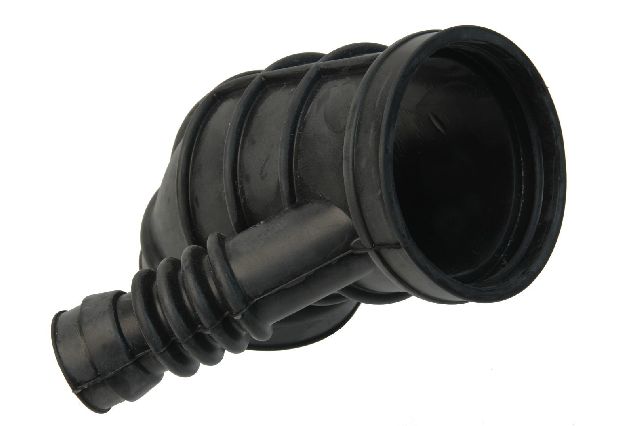
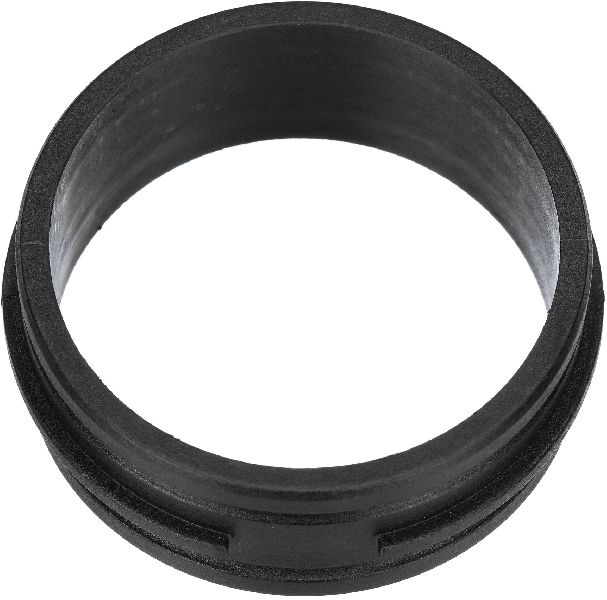
- For vehicles with a production date FROM 09/1998: You have a two-piece intake boot assembly (upper and lower). It is highly recommended to replace both at the same time.
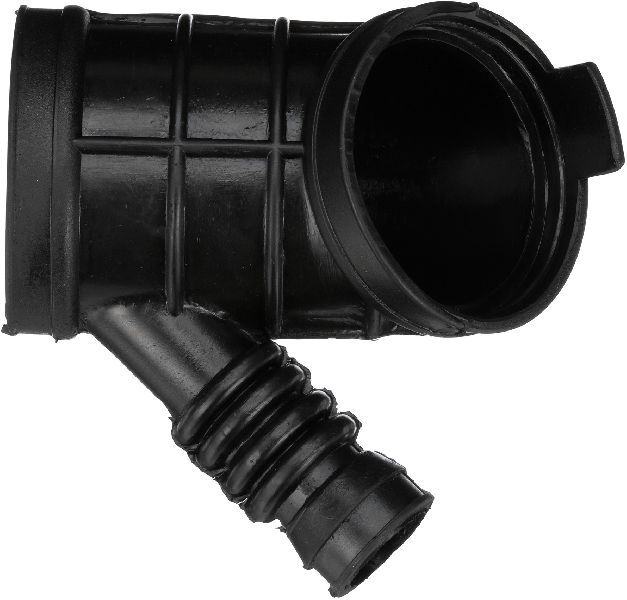
- For vehicles with a production date UP TO 08/1998: You likely have a single-piece intake boot.
Choosing the Right Aftermarket Intake Hose
Since the original BMW part is known to fail, a new aftermarket hose is a smart and cost-effective repair. Aftermarket brands offer a range of quality and price points.
Brand Quality Tiers
- Value Brands (URO Parts): URO Parts provides a budget-friendly option that meets the basic requirements. For a simple component like an intake hose, it is often considered an acceptable replacement to get your car running properly without the high cost of an OEM part.
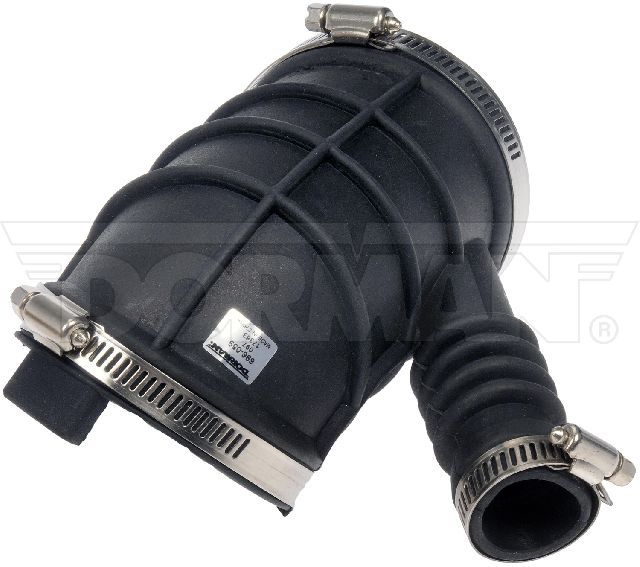
- OE-Quality Brands (Dorman, Gates, Vaico): These brands are known for producing parts that meet or exceed original equipment specifications. Dorman may even redesign parts to be more durable than the factory version. Vaico specializes in European vehicles and focuses on precise, factory-correct fitment. These brands offer a good balance of quality and price.
- Performance Upgrade (Silicone Hoses): For owners seeking maximum durability, some manufacturers offer intake hoses made from multi-ply reinforced silicone. Silicone is more resistant to heat, oil, and ozone, offering a much longer service life than the original rubber.
Pro Tip: While replacing the intake hose, carefully inspect the smaller vacuum lines that connect to it. They can also become brittle and may crack or break during the repair. It's also a good time to check your hose clamps and replace any that are rusty or stripped.
Cost of Replacing the Engine Air Intake Hose
| Part Type | Estimated Cost |
|---|---|
| New Aftermarket Hose | $8.90 - $73.64 |
| New OEM (Genuine BMW) Hose | $45 - $90 |
| Shop Labor | $60 - $120 |
Frequently Asked Questions
Can I replace the intake hose myself?
Yes, this is a very beginner-friendly DIY job. It typically requires only basic hand tools like a flathead screwdriver or an 8mm socket to loosen the hose clamps. The entire job can usually be completed in under 30 minutes.
What does "unmetered air" mean?
Unmetered air is any air that enters the engine without first passing through the Mass Airflow (MAF) sensor. The engine's computer uses the MAF sensor's reading to calculate the correct amount of fuel to inject. A cracked intake boot allows air to bypass the sensor, throwing off this calculation and causing the engine to run lean (too much air, not enough fuel).
My car is a 1999 model. Do I need to replace both intake boots?
Yes. On models made from September 1998 onward, the intake system uses an upper and a lower boot. Since both are made of the same material and exposed to the same conditions, it is highly recommended to replace them as a pair. If one has failed, the other is likely to fail soon.
Is it safe to drive with a cracked intake hose?
You can drive the vehicle, but it is not recommended for long periods. You will experience poor engine performance, rough idling, and significantly reduced fuel economy. Ignoring the problem can also cause stress on other components like oxygen sensors and catalytic converters over time.
Technical Specifications
OEM Part Numbers: 13541740931 13541703588 13541435627 13541705209
The intake hose is typically made of molded rubber or silicone. The design varies based on the vehicle's production date, with models produced from 09/1998 using a two-piece (upper and lower) boot assembly, while earlier models use a single boot.
We Have This Part in Stock

The information in this article is provided for general reference and educational purposes only. Vehicle specifications, procedures, and part compatibility can vary by production date, trim level, and region. Always consult your vehicle's factory service manual and verify part numbers before purchasing or performing repairs. Safety-critical components such as airbags, seat belts, and braking systems should be installed by a qualified professional.
- BMW 528i: