

1996-2001 BMW 528i Engine Coolant Reservoir: A Complete Guide
The plastic cooling system on your E39 528i is a known weak point; here’s how to choose the right replacement coolant reservoir and prevent a breakdown.
- The plastic coolant expansion tank is a notorious weak point on the E39 528i and should be replaced proactively every 5-6 years to prevent sudden failure.
- When replacing the tank, always install a new cap and coolant level sensor at the same time for complete reliability.
- Stick with high-quality OEM or OEM-equivalent brands like Mahle, Behr, Nissens, or Rein for this critical part; avoid the cheapest options.
- Properly bleeding the cooling system after installation is crucial to remove all air pockets and prevent overheating.
Understanding Failures in Your E39 528i
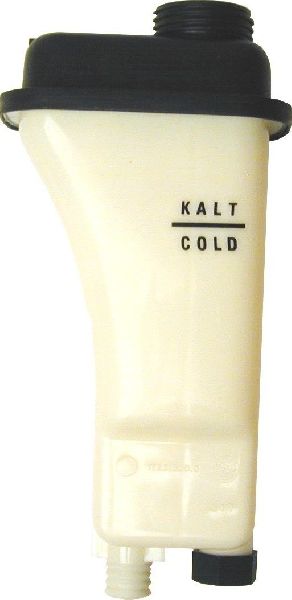
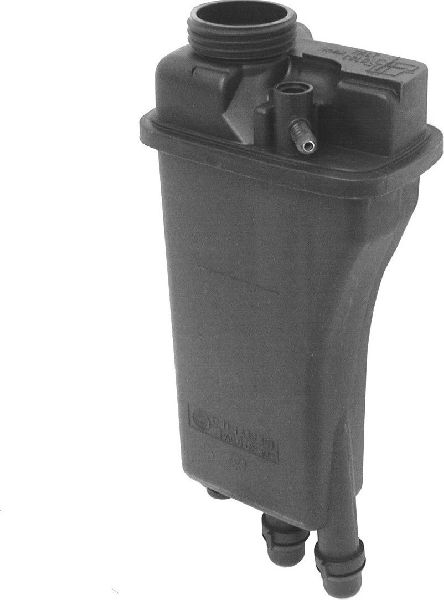
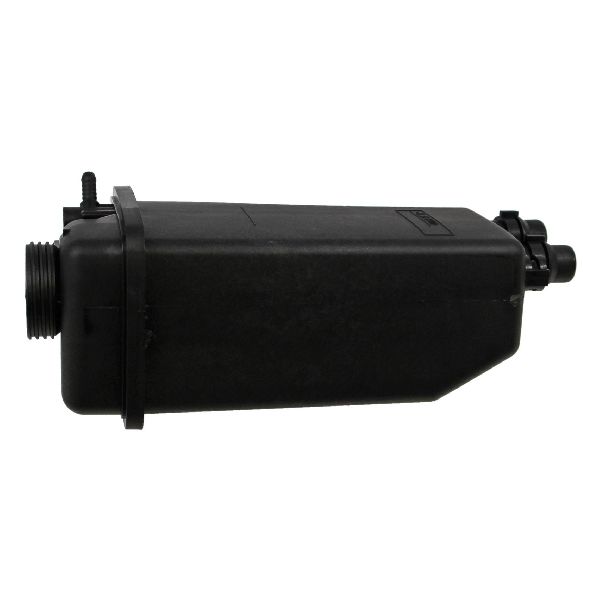
The cooling system in the 1996-2001 (E39) generation of BMWs is notorious for failures, largely due to the extensive use of plastic components that become brittle over time from constant heat and pressure changes. The coolant expansion tank is a primary weak point and a very common failure item. These tanks are known to develop hairline cracks, especially along the vertical manufacturing seams or at the hose connection points. A failure can happen suddenly, leading to rapid coolant loss and leaving you stranded.
Proactive Replacement is Key
Because these tanks can fail without much warning, many experienced BMW owners and mechanics recommend replacing the coolant expansion tank proactively every 5-6 years or around 100,000 miles, even if it isn't leaking yet. This is cheap insurance against a catastrophic failure that could cause your engine to overheat and lead to thousands of dollars in damage.
Symptoms of a Failing Coolant Reservoir
Keep an eye and nose out for these common signs that your expansion tank is on its way out:
- Low Coolant Warning Light: This is often the first and most common sign. A tiny crack may only leak vapor or small drips when the system is hot, causing a slow loss of coolant that triggers the dashboard warning.
- Visible Leaks or Stains: You might see puddles of blue or green coolant under the front passenger side of the car. Also look for white, crusty residue on or around the tank itself, which is dried coolant.
- Sweet Smell: Antifreeze has a distinct sweet smell. If you notice this odor from the engine bay after a drive, it's a strong sign of a leak.
- Steam or Hissing: If coolant from a crack drips onto the hot radiator or engine, it will turn to steam. You may also hear a hissing sound from pressure escaping a crack.
- Visible Cracks: Inspect the tank carefully with a flashlight. Hairline cracks, especially along the seams, are a sure sign it needs immediate replacement.
Choosing the Right Aftermarket Part
The cooling system is not the place to cut corners on your E39. While a Genuine BMW part is always an option, several high-quality aftermarket brands offer excellent value without sacrificing reliability. It's crucial to avoid the cheapest, no-name parts, as they often use inferior plastics that can fail quickly.
| Tier | Brands | Description |
|---|---|---|
| OEM-Quality | Mahle (Behr), Nissens, CRP (Rein) | These brands are often the original equipment manufacturers (OEMs) for BMW. Mahle-Behr is a well-regarded original supplier. Nissens and CRP (Rein) are also trusted brands known for quality that meets or exceeds OEM standards. Choosing from this tier is highly recommended for reliability. |
| Quality Aftermarket | Vaico, Febi Bilstein | These brands can be a good budget-friendly alternative. Some owners report good experiences with them, but quality can sometimes be inconsistent compared to the top-tier brands. They are generally considered a step above generic, unbranded parts. |
| Economy | URO Parts, Dorman, Global Parts, Skyward | While these brands offer the lowest price point, they are often viewed with caution by the BMW community for critical components like the expansion tank. URO parts, in particular, have a mixed reputation, though some of their newer "URO Premium" parts may offer better quality. For a part this critical, it's generally wise to invest in a higher-tier brand. |
Don't Forget These Parts!
When you replace the expansion tank, it is highly recommended to also replace the coolant level sensor and the expansion tank cap. The sensor is a common failure item, and the cap is a pressure-regulating valve that is critical for the system to work correctly. It's also a good idea to have a new bleeder screw on hand.
Frequently Asked Questions (FAQ)
Is replacing the coolant reservoir a DIY job?
Yes, for most home mechanics with basic tools, this is a very feasible DIY job. It typically involves removing a few plastic rivets and clips, disconnecting three hoses and an electrical sensor. The entire process should take about an hour. The most important part of the job is properly bleeding the air out of the cooling system after you are done.
Are there any recalls for the 1996-2001 528i coolant reservoir?
No, searches of the National Highway Traffic Safety Administration (NHTSA) database and other sources did not find any specific recalls or technical service bulletins (TSBs) for the coolant expansion tank on the 1996-2001 BMW 528i. Failures are generally attributed to the age and material properties of the plastic.
My low coolant light is on, but I don't see a leak. What's wrong?
This could be one of two things. First, you could have a very small hairline crack that only leaks coolant as vapor when the system is hot and pressurized, so you never see a puddle. Second, the coolant level sensor at the bottom of the tank could have failed, which is a common issue. If the sensor is bad, it will give a false low-coolant reading even when the tank is full. It's best to replace the sensor when you replace the tank.
Do I need to use special BMW coolant?
Yes, it is critical to use the correct type of coolant for your BMW. Using the wrong type can cause damage to the plastics and seals in the cooling system. You should use a phosphate-free, silicate-free coolant that meets BMW's specifications, which is typically blue in color. Always mix it 50/50 with distilled water, not tap water.
Technical Specifications
OEM Part Numbers: 17111436381 17111741167 17111723520
Fits 1996-2001 BMW 528i (E39 Chassis) with 6-cylinder engines. Note: Early models (pre-09/1998) may use a different part number (17111723520). Always verify fitment with your vehicle's production date.
We Have This Part in Stock


The information in this article is provided for general reference and educational purposes only. Vehicle specifications, procedures, and part compatibility can vary by production date, trim level, and region. Always consult your vehicle's factory service manual and verify part numbers before purchasing or performing repairs. Safety-critical components such as airbags, seat belts, and braking systems should be installed by a qualified professional.
- BMW 528i: