

Engine Crankcase Breather Hose Guide for 1996-2001 BMW 528i
Solve common engine problems like rough idling and high oil consumption by understanding this critical part.
- A failed breather hose causes vacuum leaks, leading to a rough idle, Check Engine Light (P0171/P0174), and high oil consumption.
- Due to the difficult location under the intake manifold, it's best to replace the entire CCV system (valve and all hoses) at once.
- For this labor-intensive job, choose high-quality aftermarket brands like CRP/Rein or Febi, which are often OEM suppliers.
- Consider upgrading to the insulated "cold climate" version to prevent sludge buildup and future blockages.
Is a Failing Breather Hose Causing Your Engine Problems?
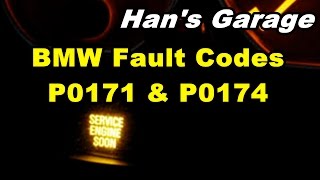
The crankcase breather hoses on the M52 engine in your 1996-2001 528i are made of plastic and rubber that are constantly exposed to heat, oil, and pressure. Over time, these materials become brittle and crack, leading to vacuum leaks. These leaks introduce unmetered air into the engine, which can cause a variety of noticeable symptoms. 🎬 Learn more about how vacuum leaks cause lean fault codes. Because the entire CCV system is located under the intake manifold, it's a difficult area to inspect, but the symptoms are often a clear giveaway.
Choosing the Right Aftermarket Breather Hose
When replacing a part that is difficult to access, choosing a quality brand is important to avoid doing the job twice. While Genuine BMW parts are always an option, several aftermarket brands offer a good balance of quality and value. It's often recommended to replace the entire CCV system (valve and all four hoses) at the same time, as the other components are likely near the end of their service life as well.
Aftermarket Brand Quality Tiers
| Tier | Brands | General Assessment |
|---|---|---|
| Tier 1: OEM Supplier Quality | CRP (Rein), Febi | These brands are often the original equipment manufacturers for BMW. Parts from Rein have been noted to be identical to the original BMW parts, sometimes even with the same factory markings. Choosing these brands gives you OEM quality without the dealership price tag. |
| Tier 2: Reputable Aftermarket | Gates, Standard Ignition, Vaico | These are well-known brands in the aftermarket industry. Gates is known for quality hoses engineered to resist heat and collapse. Vaico offers complete kits, including a "cold climate" version with insulation, which can help prevent sludge buildup in colder weather or on cars that take frequent short trips. However, some user reviews suggest Vaico quality can be inconsistent. |
| Tier 3: Value-Oriented | URO Parts, BBR | URO Parts can be a good value, but their quality can be hit-or-miss according to owner feedback. They are best considered for less critical or more easily accessible parts. For a labor-intensive job like the CCV system, it may be worth spending more for a Tier 1 or Tier 2 brand to ensure longevity. |
Known Issues for the 1996-2001 BMW 528i
There are no specific recalls from the National Highway Traffic Safety Administration (NHTSA) for the engine crankcase breather hose on the 1996-2001 BMW 528i. However, the failure of the CCV system is a widely documented issue for this engine generation. In cold climates, moisture can mix with oil inside the system, creating a yellow sludge that can clog the separator and hoses. This blockage can lead to a dangerous increase in crankcase pressure, potentially blowing out seals like the valve cover gasket. For this reason, many owners opt for the insulated "cold climate" version of the CCV kit as a preventative upgrade, even in warmer regions.
Pro Tip: Replace the Whole System
Since replacing the breather hoses requires removing the intake manifold, it is highly recommended to replace the oil separator valve and all associated hoses at the same time. The plastic components all endure the same harsh conditions, and if one has failed, the others are likely to fail soon. This saves you from having to repeat a difficult and time-consuming repair.
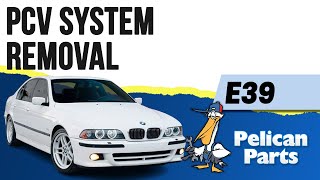
🎬 Watch this step-by-step guide on removing the E39 PCV system.Frequently Asked Questions
What is the difference between a standard and "cold climate" CCV hose?
A "cold climate" or insulated CCV system features foam insulation around the oil separator valve and hoses. This insulation helps the system warm up faster, preventing condensation and oil from turning into a thick sludge that can cause blockages, especially during short trips or in cold weather. It's a recommended upgrade for all climates to improve system reliability.
Can I just replace the one cracked hose?
While you can, it's not recommended. The labor involved to access the CCV system is significant. All the hoses and the valve itself are exposed to the same conditions and age at a similar rate. Replacing only the one visibly failed part often leads to another failure in the system shortly after, forcing you to do the entire job again.
How do I test if my CCV system is bad?
A common DIY test is to start the engine and let it idle, then try to remove the oil filler cap. If the CCV has failed, you may feel an extremely strong vacuum holding the cap down. Another sign is a loud whistling or howling noise from the engine bay. For a definitive diagnosis, a mechanic can perform a smoke test to find the exact location of the vacuum leak.
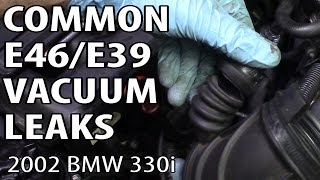
🎬 See how to diagnose lean codes and engine vacuum leaks.What happens if I don't replace a bad breather hose?
Ignoring a failed breather hose will lead to persistent rough running, poor fuel economy, and high oil consumption. In a worst-case scenario, a completely clogged system can build up enough pressure to blow out engine seals, like the valve cover gasket or even the rear main seal, leading to major oil leaks and much more expensive repairs.
Helpful Videos

Technical Specifications
OEM Part Numbers: 11151740393 11617501566 11617504535 11611432559 11157532649
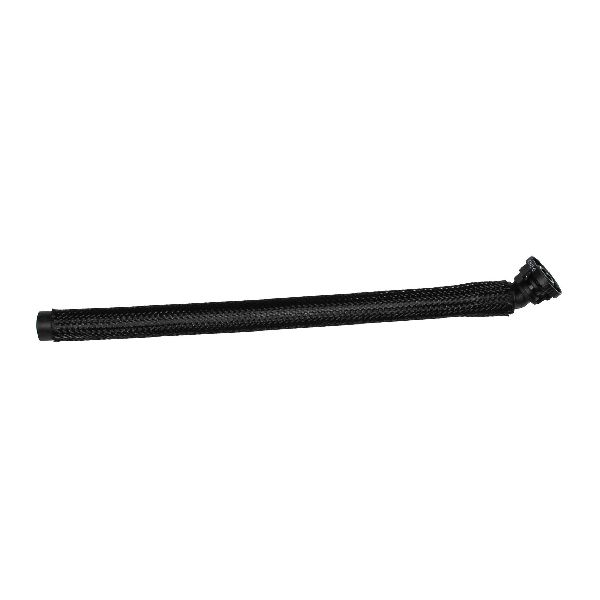
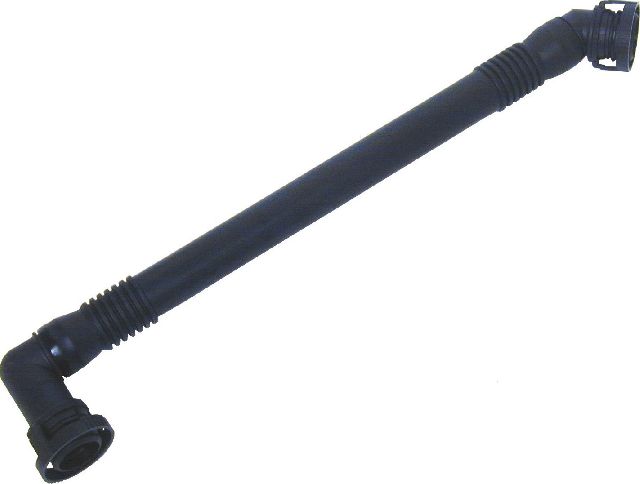
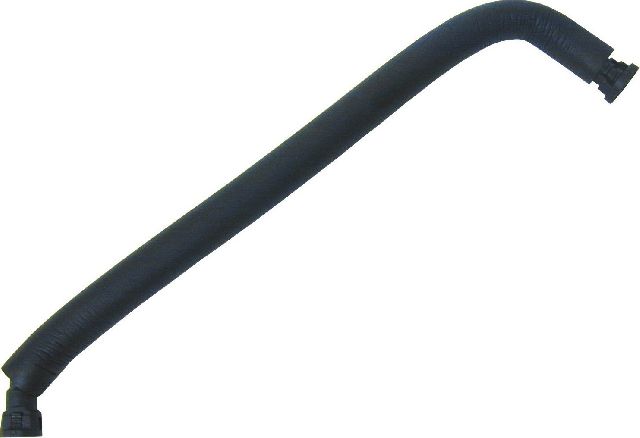
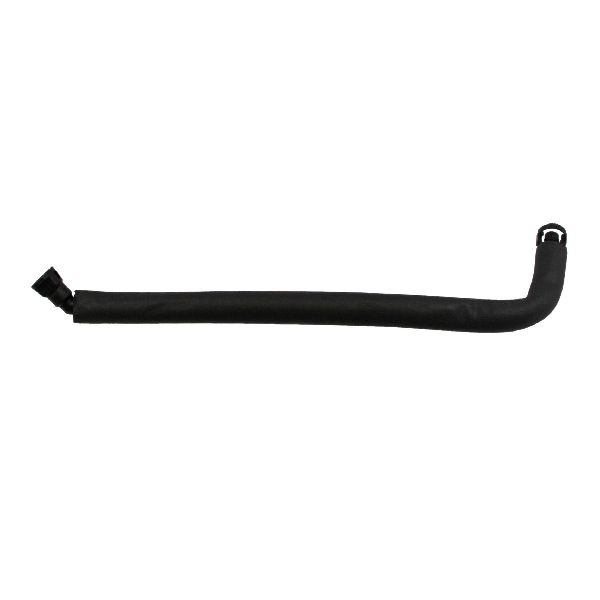
Part of a four-hose system connected to the crankcase ventilation valve (oil separator) located under the intake manifold. Made from plastic and rubber designed to handle oil vapor and engine heat.
We Have This Part in Stock



The information in this article is provided for general reference and educational purposes only. Vehicle specifications, procedures, and part compatibility can vary by production date, trim level, and region. Always consult your vehicle's factory service manual and verify part numbers before purchasing or performing repairs. Safety-critical components such as airbags, seat belts, and braking systems should be installed by a qualified professional.
- BMW 528i: