

Throttle Position Sensor (TPS) Guide for 1996-2001 Chevrolet P30
Solve common engine hesitation, rough idle, and shifting problems on your P30 chassis.
- A faulty TPS on a P30 causes hesitation, rough idle, and poor transmission shifting.
- Replacement is simple, requiring only basic tools and about 30 minutes.
- For reliability, choose a premium aftermarket brand like Delphi, NGK, or Standard Motor Products (SMP), as Delphi was an original GM supplier.
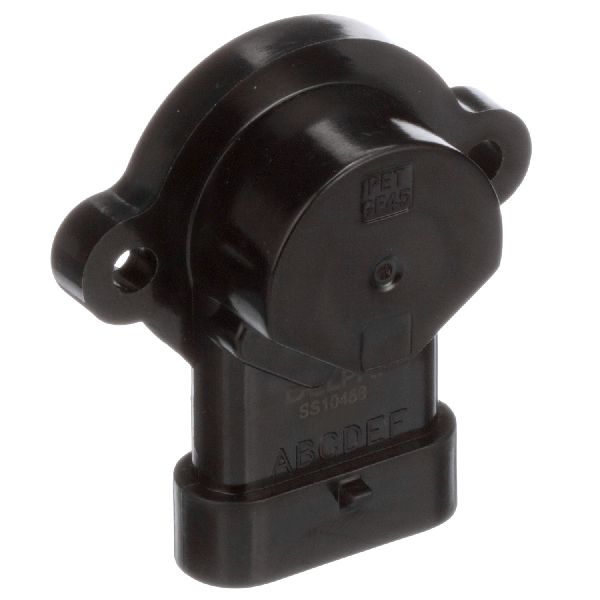
- Always verify your engine size (e.g., 7.4L, 5.7L) before ordering, as the parts can differ.
Is Your P30's Throttle Position Sensor Failing?
A bad throttle position sensor can cause a surprising number of problems that you might mistake for a more serious engine or transmission issue. Because the P30 is a heavy vehicle, often carrying significant weight, these symptoms can appear more pronounced. Watch for these common signs of failure.
Top 5 Failure Symptoms
- Hesitation or Stumbling on Acceleration: The engine may bog down or hesitate when you press the gas pedal.
- Erratic or Rough Idle: Your engine might idle too high, too low, or surge up and down for no reason.
- Poor Transmission Shifting: The transmission may shift late, hard, or hunt for the right gear because it's getting bad information about throttle position.
- Check Engine Light: A failing TPS will often trigger a Check Engine Light with codes like P0121, P0122, or P0123.
- Loss of Power: The vehicle may feel sluggish and lack power, especially when climbing hills or accelerating.
Reduced Engine Power Mode
In some cases, a severe TPS failure can force the vehicle's computer into a "limp mode" or "Reduced Engine Power" mode to prevent damage. This will severely limit your speed and acceleration.
Choosing the Right Aftermarket TPS for Your P30
When it comes to electronic sensors, not all aftermarket brands are created equal. For a critical part like the TPS on your P30, choosing a quality component is key to avoiding repeat repairs. Delphi was a major original equipment (OEM) parts supplier for GM during this era. This means a Delphi-branded part is often the same as the factory original. Other brands offer a balance of quality and value.
Aftermarket Brand Tiers
- Premium / OEM-Equivalent (Recommended): Brands like Delphi and NGK are often considered top-tier choices. Delphi was an OEM supplier for GM, making it a safe bet. Standard Motor Products (SMP) is also a well-regarded manufacturer with a long history, often producing parts that meet or exceed original specifications.
- Standard / Mid-Grade: Brands such as Dorman, Walker Products, and Beck Arnley offer a good balance of price and quality. They are a reliable choice for many repairs, though some forum users report occasional quality inconsistencies compared to premium brands.
- Economy / Value: Brands like Replacement and True Tech are budget-friendly options. While they can get your vehicle back on the road, their long-term durability and sensor accuracy may not match that of the premium brands.
Pro Tip: Check Your Engine
The 1996-2001 P30 chassis was available with different engines, most commonly the 7.4L (454) V8, but also the 5.7L V8 and 4.3L V6. Always confirm your specific engine before ordering to ensure you get the correct part. The TPS can differ between engine sizes.
Cost of Replacing a Throttle Position Sensor on a 1996-2001 Chevrolet P30
| Category | Estimated Cost |
|---|---|
| New Aftermarket Part | $25 - $80 |
| New OEM Part (ACDelco/GM Genuine) | $70 - $150 |
| Shop Labor | $60 - $120 |
| Total DIY Cost | $25 - $80 (Part Only) |
| Total Professional Replacement | $85 - $270 |
Frequently Asked Questions (FAQ)
Do I need to disconnect the battery to replace the TPS?
Yes, it is always recommended to disconnect the negative battery terminal before working on any part of your vehicle's electrical system to prevent short circuits and protect the engine computer.
Is the TPS replacement difficult on a P30?
No, this is a very DIY-friendly job. The sensor is usually located on the side of the throttle body and held on by two Torx screws. It typically takes less than 30 minutes with basic hand tools.
Does a new TPS need to be calibrated or adjusted?
For this generation of GM trucks, the TPS is typically not adjustable. However, after replacement, it can be a good idea to perform an idle relearn procedure. This can sometimes be as simple as disconnecting the battery for 15 minutes or turning the key to the 'On' position for a few seconds before starting the engine, but check a service manual for your specific vehicle for the exact procedure.
Are there any recalls for the P30 throttle position sensor?
My search found no specific recalls or Technical Service Bulletins (TSBs) for the throttle position sensor on the 1996-2001 Chevrolet P30 chassis. A TSB for later model GM trucks exists but does not apply to this vehicle range.
Technical Specifications
OEM Part Numbers: 17123852 17106681 213-912
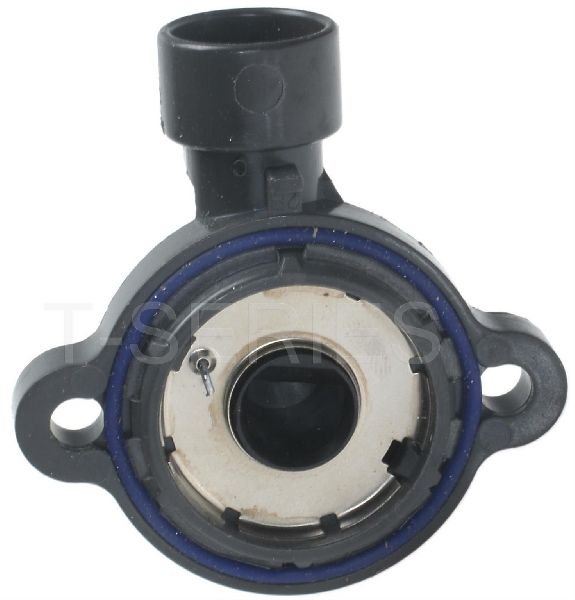
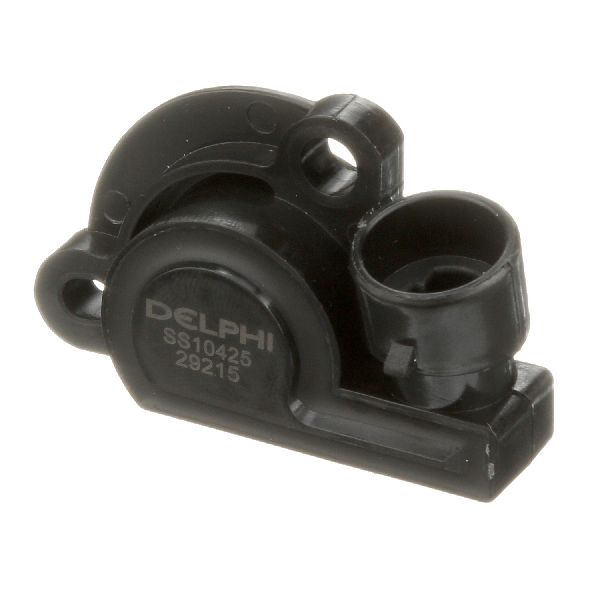
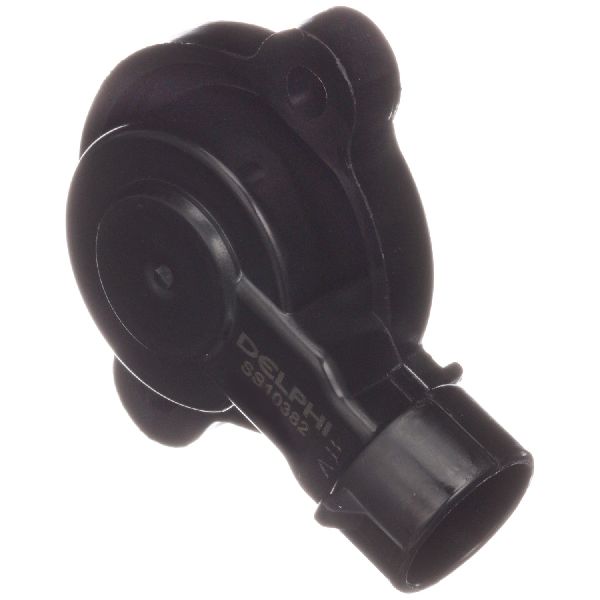
Typically a 3-pin sensor mounted to the side of the throttle body with two screws. The sensor acts as a variable resistor to communicate throttle blade angle to the ECU.
We Have This Part in Stock


The information in this article is provided for general reference and educational purposes only. Vehicle specifications, procedures, and part compatibility can vary by production date, trim level, and region. Always consult your vehicle's factory service manual and verify part numbers before purchasing or performing repairs. Safety-critical components such as airbags, seat belts, and braking systems should be installed by a qualified professional.
- Chevrolet P30:
- 🛍️ Shop This Part
- Is Your P30's Throttle Position Sensor Failing?
- Top 5 Failure Symptoms
- Reduced Engine Power Mode
- Choosing the Right Aftermarket TPS for Your P30
- Aftermarket Brand Tiers
- Pro Tip: Check Your Engine
- Cost of Replacing a Throttle Position Sensor on a 1996-2001 Chevrolet P30
- Frequently Asked Questions (FAQ)
- 🎟️ Get 5% Off