

Accessory Drive Belt Guide for the 1996-2001 Ford Explorer
Keep your Explorer's engine accessories running properly by choosing the right replacement serpentine belt.
- A squealing noise is most often caused by a weak belt tensioner, not just a bad belt; inspect the tensioner for wobble or weakness.
- Always replace the tensioner and idler pulleys at the same time as the belt to prevent a repeat failure.
- You must order the correct belt for your specific engine (4.0L OHV, 4.0L SOHC, or 5.0L V8) as they are not interchangeable.
- A broken belt will disable your Explorer immediately; do not drive if you see the battery light or the temperature gauge rising.
Is Your Explorer's Accessory Belt Failing?
The accessory drive belt is a critical wear item made of durable rubber, but it is constantly exposed to heat and friction. Over time, it will stretch, crack, and wear out. For the 1996-2001 Ford Explorer, belts typically last between 60,000 and 100,000 miles, but they should be inspected at every oil change for signs of wear. Ignoring the warning signs can lead to a sudden breakdown and potential engine damage from overheating.
Symptoms of a Bad Accessory Drive Belt
- Squealing or Chirping Noises: This is the most common symptom of a worn or slipping belt. The noise is often loudest when you start the engine, accelerate, or turn on the A/C. While a worn belt can cause this, the noise is frequently caused by a weak or failing belt tensioner.
- Visible Wear or Damage: A visual inspection can reveal a lot. Look for cracks, frayed edges, missing chunks of the ribs, or a shiny, glazed appearance on the belt's surface.
- Accessory Malfunctions: If your headlights are dim, the battery light is on, the A/C isn't blowing cold, or the steering feels heavy, the belt may not be properly powering the alternator, A/C compressor, or power steering pump.
- Engine Overheating: The serpentine belt drives the water pump. If the belt slips or breaks, the water pump will stop circulating coolant, causing the engine to overheat very quickly.
A Note on Belt Tensioners
On the 1996-2001 Explorer, the automatic belt tensioner is often the true cause of belt noise and premature wear. The internal spring can weaken over time, failing to provide enough tension to keep the belt tight. If you hear a rattling or grinding noise from the front of the engine, the bearing in the tensioner or an idler pulley is likely failing. It is highly recommended to inspect the tensioner and pulleys when replacing the belt and replace them if they show any signs of wear, wobble, or noise.
Choosing the Right Aftermarket Belt
You must get the correct belt for your Explorer's specific engine, as they are different lengths. The 1996-2001 generation used three main engines: the 4.0L OHV V6, the 4.0L SOHC V6, and the 5.0L V8. Always confirm your engine before ordering.
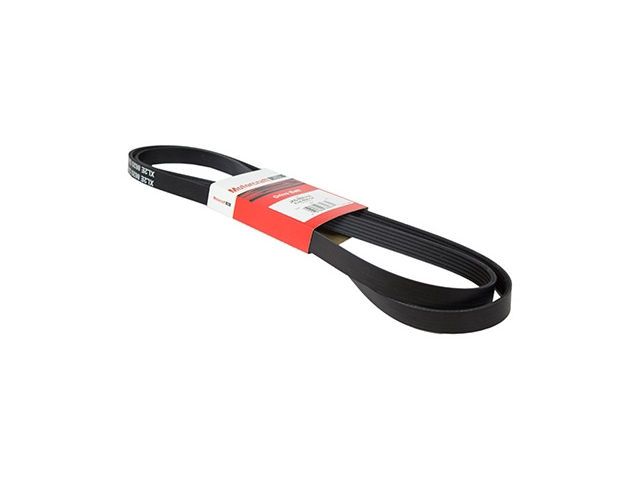
- OEM (Motorcraft): Motorcraft is Ford's official parts brand and provides the original factory belt. It's a reliable, high-quality option that you can use as a benchmark for performance, though it is often the most expensive choice.
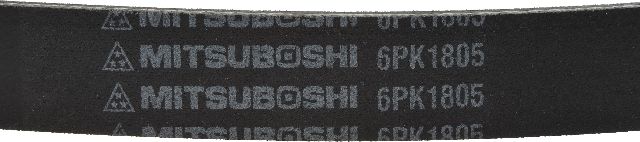
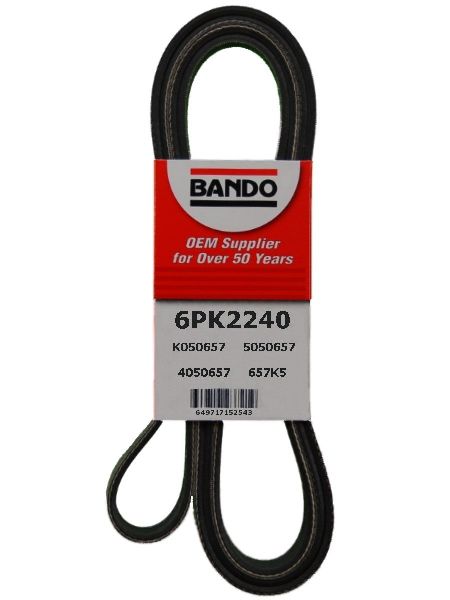
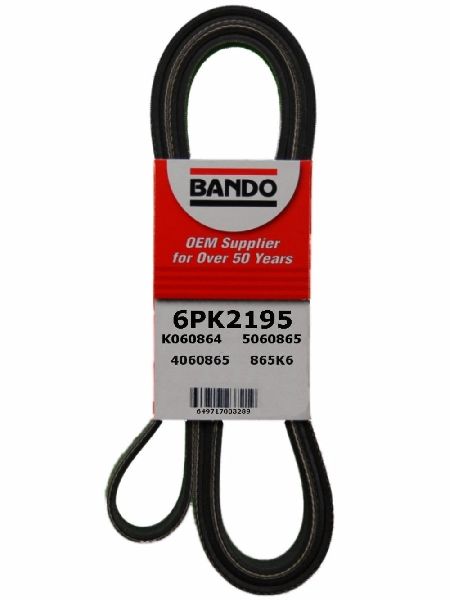
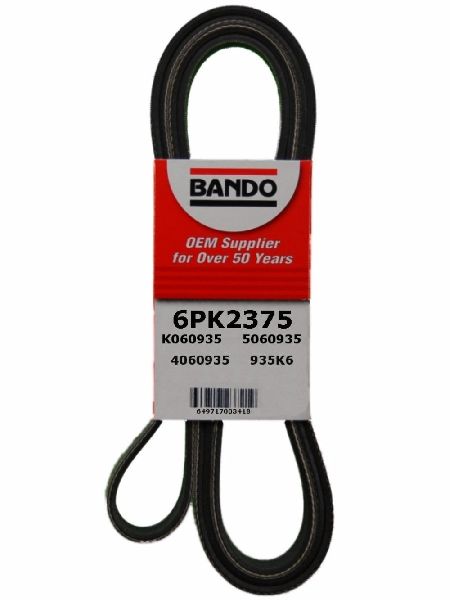
- Premium Aftermarket (Bando, Mitsuboshi): Bando and Mitsuboshi are well-regarded brands that are often the original equipment manufacturer for many Japanese vehicles. They are known for high-quality rubber compounds that resist wear and noise, and many professional mechanics trust them. These brands offer OEM-level quality, sometimes at a lower price point.
- Standard Aftermarket (ACDelco): ACDelco is a well-known aftermarket brand that offers a good balance of quality and value. While not always considered a top-tier belt manufacturer like Bando, their products are a reliable choice for daily driving and are widely available.
For a domestic truck like the Ford Explorer, brands like Gates and Dayco are also highly regarded and considered professional-grade choices alongside Motorcraft.
Estimated Replacement Costs
| Part | Estimated Cost |
|---|---|
| New Aftermarket Accessory Drive Belt | $36.78 - $79.43 |
| New OEM (Motorcraft) Accessory Drive Belt | $44 - $73 |
| Shop Labor | $37 - $90 |
| Total Professional Replacement | $83 - $162 |
Frequently Asked Questions (FAQ)
Is replacing the accessory drive belt a DIY job?
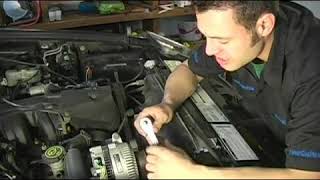
Yes, for most home mechanics this is a feasible job. 🎬 Watch this step-by-step guide to replacing your Explorer's serpentine belt. It requires basic hand tools, primarily a 3/8" drive ratchet or a serpentine belt tool to release the tensioner. 🎬 See how to properly release the tensioner to remove the belt. You can then slip the old belt off and route the new one. Always make sure you have a diagram of the belt routing, which is usually on a sticker under the hood.
Should I replace the tensioner and pulleys with the belt?
It is strongly recommended. The tensioner and idler pulleys have bearings that wear out at a similar rate as the belt. A worn tensioner is often the real cause of belt squeal, and a seized pulley can shred a brand-new belt instantly. Replacing them all at once is the best way to ensure a long-lasting and quiet repair.
Are there any recalls for the 1996-2001 Explorer's accessory belt?
No, a search of the National Highway Traffic Safety Administration (NHTSA) database shows no recalls or major technical service bulletins (TSBs) specifically for the accessory drive belt or its components on this generation of Ford Explorer.
What's that wear indicator on the tensioner?
Many Ford tensioners from this era have a built-in gauge that shows how much the belt has stretched. If the pointer on the tensioner is outside the acceptable range marks on the gauge, the belt is stretched beyond its service life and must be replaced.
Helpful Videos
Technical Specifications
OEM Part Numbers: F67Z-8620-DA F77Z-8620-DA F77Z-8620-FA XL2Z-8620-AA
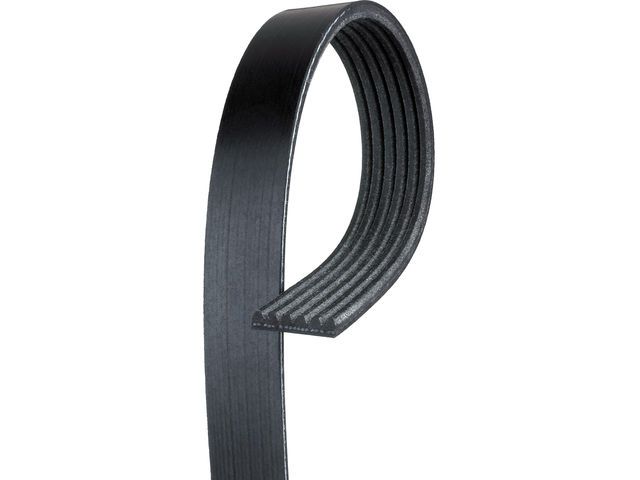
The 1996-2001 Ford Explorer uses a single multi-rib (serpentine) belt. The specific length and number of ribs vary depending on the engine (4.0L OHV V6, 4.0L SOHC V6, or 5.0L V8) and accessory configuration. The system uses a spring-loaded automatic tensioner to maintain correct belt tension.
We Have This Part in Stock

The information in this article is provided for general reference and educational purposes only. Vehicle specifications, procedures, and part compatibility can vary by production date, trim level, and region. Always consult your vehicle's factory service manual and verify part numbers before purchasing or performing repairs. Safety-critical components such as airbags, seat belts, and braking systems should be installed by a qualified professional.
- Ford Explorer: