

A Ford Explorer Owner's Guide to the 1996-2001 Engine Crankshaft Position Sensor
Stalling, rough running, or a no-start problem on your Explorer could be this critical engine sensor.
- A no-start or sudden stalling condition are the most critical symptoms of a failing crankshaft sensor.
- Before replacing the sensor, always inspect the harmonic balancer pulley for wobble or damage, as it can destroy the new part.
- For critical sensors on a Ford, using an OEM Motorcraft or premium aftermarket brand like Denso is strongly recommended for reliability.
- The replacement is a manageable DIY job, with the sensor located at the front of the engine near the main pulley.
Is Your Explorer Stalling or Refusing to Start?
A failing crankshaft position sensor is a common problem on the 1996-2001 Ford Explorer that can leave you stranded. When this sensor starts to go bad, it sends incorrect or no signal to the engine computer, leading to a variety of noticeable engine problems. The most common symptoms include the engine cranking but not starting, stalling unexpectedly while driving, a rough idle, and the Check Engine Light coming on.
Symptoms of a Bad Crankshaft Position Sensor
- Engine Cranks, But Won't Start: This is a classic sign. The starter turns the engine over, but the computer doesn't have the crankshaft signal it needs to start combustion.
- Sudden Engine Stalling: The engine may shut off randomly while you're driving or idling at a stoplight. This is a serious safety issue.
- Rough Idle and Engine Misfires: Your Explorer may shake, vibrate, or run unevenly, especially when stopped. This happens because the computer is guessing on the timing.
- Poor Acceleration: The truck may feel sluggish and lack power because the ignition and fuel timing are not optimized.
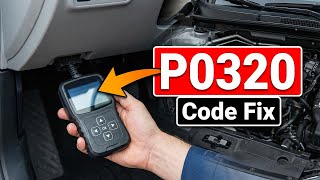
- Check Engine Light: A failing sensor will almost always trigger a Check Engine Light. The most common code associated with this part is P0320. 🎬 Watch: How to diagnose and fix the P0320 code
Pro Tip: Check the Harmonic Balancer!
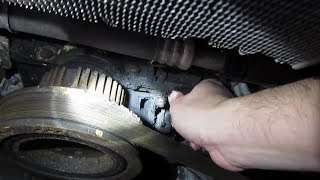
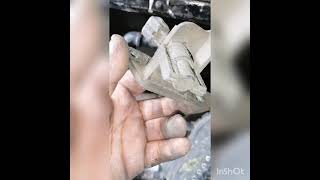
Before you replace the sensor, inspect the large pulley on the front of the crankshaft (the harmonic balancer). On these Explorers, the rubber damper in the balancer can fail, causing the outer ring to wobble and hit the crankshaft sensor, destroying it. If you see damage on your old sensor, you must replace the harmonic balancer as well 🎬 Watch: How to replace both the sensor and the balancer, or the new sensor will fail immediately.
Choosing the Right Aftermarket Sensor
When it comes to critical electronics like the crankshaft sensor, part quality matters. While many aftermarket brands are available, they are not all created equal. For Ford vehicles, many mechanics and experienced owners recommend sticking close to the original part to avoid future headaches.
Tier 1: OEM & Premium Aftermarket
These brands are known for reliability and are often the original equipment manufacturer for Ford or other automakers. They are the safest bet for a one-time repair.
- Motorcraft: This is Ford's own parts brand and the original equipment (OEM) choice. It offers the best guarantee of compatibility and longevity.
- Denso: A highly respected OEM supplier for many car brands. Denso parts are known for their quality and are often considered equivalent to Motorcraft.
- NGK/NTK: While more known for spark plugs and oxygen sensors, NTK (the sensor division of NGK) is an OEM supplier with a reputation for high-quality electronics.
Tier 2: Reputable Aftermarket
These brands can offer a good balance of price and quality, but may have a slightly higher risk of issues compared to OEM.
- Delphi: A major OE supplier that also produces a wide range of aftermarket parts. Quality can be very good, but some users report occasional out-of-the-box failures on non-original applications.
- Standard Ignition (SMP): A long-standing aftermarket company that generally produces reliable replacement parts.
Tier 3: Economy Brands
These brands offer the lowest price, which can be tempting. However, for a sensor this critical, using a budget part can be risky. Failure can leave you stranded, and some forum users warn against using budget brands like Dorman for important sensors due to higher failure rates. This tier includes brands like Dorman, Walker Products, and other store-brand equivalents.
Typical Replacement Costs
| Part Type | Estimated Cost |
|---|---|
| New OEM (Motorcraft) | $40 - $75 |
| New Aftermarket | $21 - $58 |
| Shop Labor | $100 - $180 |
Cost estimates are approximate and can vary by location and supplier.
Frequently Asked Questions
Where is the crankshaft sensor located on a 1996-2001 Explorer?
The sensor is located on the front of the engine, down low near the main crankshaft pulley (harmonic balancer). You will need to get under the front of the vehicle to see and access it. It is typically held in place by one or two small bolts.
Can I replace this sensor myself?
Yes, this is a DIY-friendly job for someone with basic tools. The main challenge is the tight access space under the vehicle. You'll typically need a ratchet with an 8mm socket. The job usually takes about an hour.
🎬 See this step-by-step walkthrough of the sensor replacementWhat happens if I don't replace a failing crankshaft sensor?
Ignoring the symptoms is not recommended. The problem will get worse, leading to more frequent stalling, no-start situations, and poor fuel economy. A sudden stall while driving in traffic is a significant safety hazard.
Is it really worth paying more for an OEM Motorcraft sensor?
For critical electronic sensors, many experienced technicians and owners say yes. Aftermarket sensors, especially budget brands, have a higher reported failure rate, which can mean doing the job twice or getting stranded. Paying a little more for a Motorcraft or a premium aftermarket brand like Denso provides peace of mind.
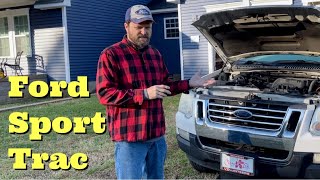
Helpful Videos
Technical Specifications
OEM Part Numbers: F7TZ-6C315-AB DY-1136 F6TZ-6C315-AA
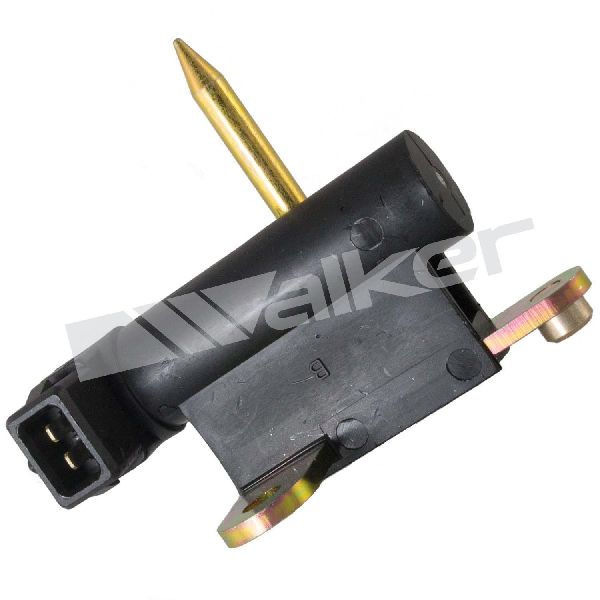
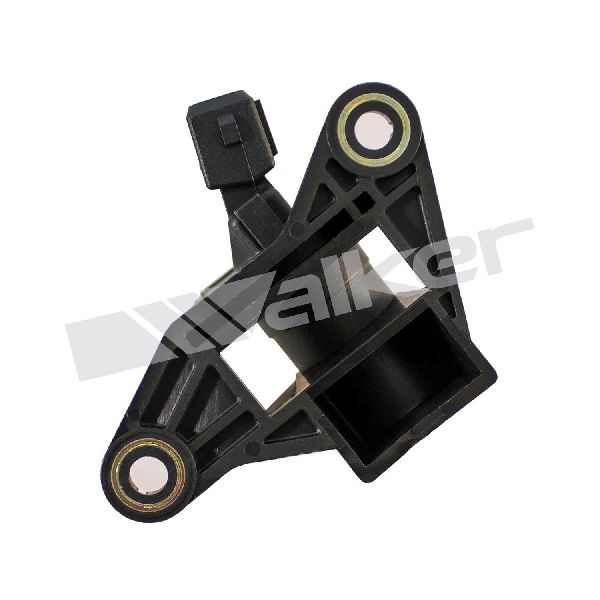
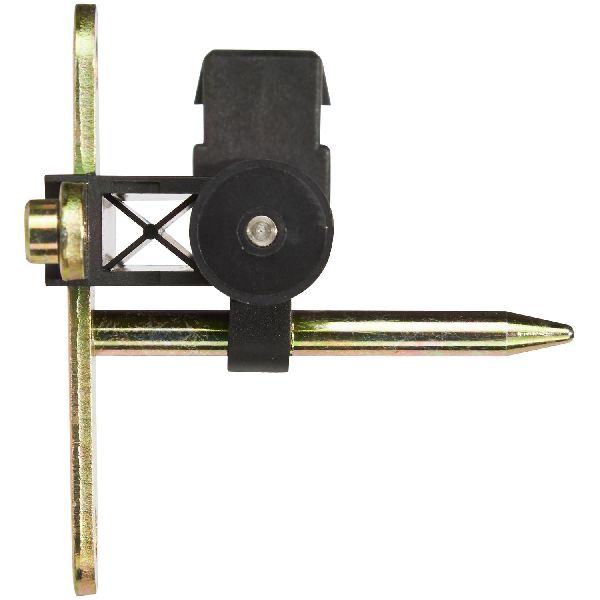
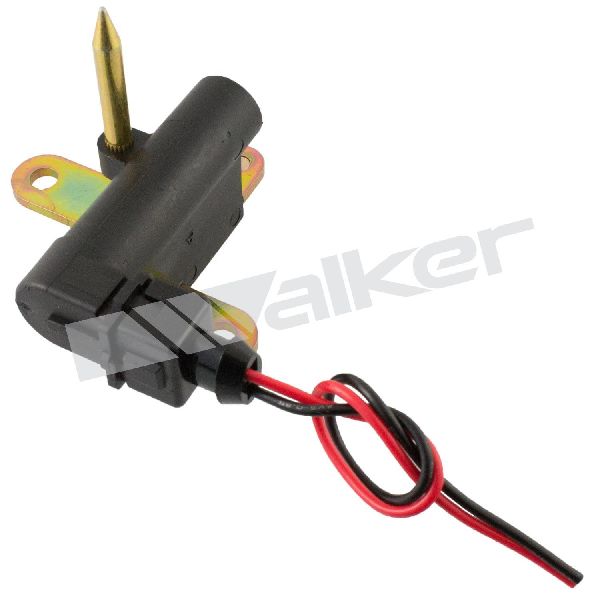
The sensor for the 1996-2001 Ford Explorer is a magnetic sensor that reads teeth on the crankshaft to determine engine speed and position. It typically uses a 2-pin or 3-pin rectangular connector.
We Have This Part in Stock


The information in this article is provided for general reference and educational purposes only. Vehicle specifications, procedures, and part compatibility can vary by production date, trim level, and region. Always consult your vehicle's factory service manual and verify part numbers before purchasing or performing repairs. Safety-critical components such as airbags, seat belts, and braking systems should be installed by a qualified professional.
- Ford Explorer:
- 🎬 Helpful Videos
- 🛍️ Shop This Part
- Is Your Explorer Stalling or Refusing to Start?
- Symptoms of a Bad Crankshaft Position Sensor
- Pro Tip: Check the Harmonic Balancer!
- Choosing the Right Aftermarket Sensor
- Tier 1: OEM & Premium Aftermarket
- Tier 2: Reputable Aftermarket
- Tier 3: Economy Brands
- Typical Replacement Costs
- Frequently Asked Questions
- 🎟️ Get 5% Off