

HVAC Heater Hose Guide for 1996-2001 Ford Explorer
Leaking coolant or no heat? Your Explorer's heater hose assembly is a likely culprit, but it's a straightforward fix.
- The plastic T-connectors are the weakest point; choose a replacement with metal connectors if possible.
- Always replace the entire hose assembly, not just one leaking section, to prevent future failures.
- Verify the part fits your specific engine (4.0L OHV, 4.0L SOHC, or 5.0L V8) before buying.
- Consider replacing the separate heater control valve at the same time for long-term reliability.
Is Your Explorer's Heater Hose Failing?
After two decades or more, the original heater hoses on a 1996-2001 Explorer are nearing the end of their life. The rubber gets brittle, and the plastic connectors become fragile. Ignoring the signs can lead to a major coolant leak, leaving you stranded and potentially causing engine damage from overheating.
Common Symptoms of Failure:
- Coolant Leaks: You might see puddles of green or yellow fluid under the passenger side of the engine bay. Leaks often happen at the plastic T-connectors or the heater control valve.
- Sweet Smell: A distinct, sweet odor of antifreeze inside or outside the vehicle is a sure sign of a leak.
- No Cabin Heat: If the heater control valve fails or a hose is clogged, hot coolant can't reach the heater core, leaving you with cold air from the vents.
- Engine Overheating: A significant leak in a heater hose will cause a loss of coolant, leading to the engine temperature gauge climbing into the red.
- Visible Damage: Look for hoses that are swollen, cracked, spongy, or have a whitish, crusty residue around the connections.
Known Issue: Plastic Connectors
The most common failure point on these heater hose assemblies is not the hose itself, but the integrated plastic T- or Y-connectors. They become brittle with age and can crack or break without warning. When replacing the assembly, it's wise to choose a part with upgraded aluminum connectors if available.
Choosing the Right Aftermarket Heater Hose
For this generation of Explorer, you have several good options. The key is to replace the entire assembly, not just patch a single leaking hose. The other plastic parts are likely to fail soon after.
Brand Tiers:
- Motorcraft (OEM): This is the original Ford part. It guarantees a perfect fit and is made to the original specifications. While often the most expensive, forum users sometimes recommend sticking with Motorcraft for critical parts like heater cores and complex hoses to avoid fitment issues.
- Gates / Continental (Premium Aftermarket): Both Gates and Continental are highly respected brands that often supply parts directly to automakers. Their molded hoses are engineered to match the original's shape and performance, often meeting or exceeding OEM specs for durability. They are an excellent balance of quality and price.
- Dayco (Standard Aftermarket): Dayco provides a reliable and budget-friendly option. While generally considered good quality, some users across various car forums have occasionally reported minor fitment issues compared to Gates or OEM parts, sometimes requiring slight trimming or adjustment.
- Dorman OE FIX (Problem-Solver): Dorman often identifies common failure points and improves upon the original design. For the Explorer, they offer heater hose assemblies with metal T-connectors instead of the original plastic, which provides a more durable, long-term repair.
Pro Tip: Pay close attention to your Explorer's engine. The 4.0L OHV, 4.0L SOHC, and 5.0L V8 engines may use different heater hose assemblies. Always verify the part fits your specific submodel and engine before purchasing.
Cost of Replacing Your Heater Hose
Here is a general breakdown of what to expect. Prices can vary based on the specific assembly required for your engine and whether you do the work yourself.
| Part Type | Estimated Cost |
|---|---|
| New Aftermarket Assembly | $11.67 - $81.22 |
| New OEM (Motorcraft) Assembly | $75 - $150+ |
| Shop Labor | $85 - $125 |
| Total Professional Job | $100 - $275+ |
Frequently Asked Questions
Is this a difficult job to do myself?
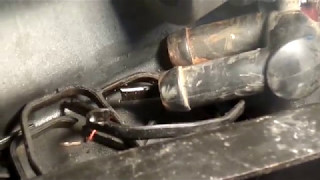
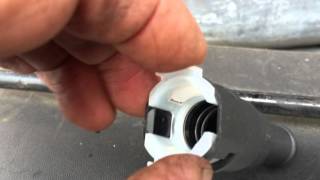
For most DIY mechanics, this is a manageable job. The main challenges are accessing the hose clamps, especially those near the firewall, and removing hoses that have been stuck in place for years. 🎬 See how to easily release those tricky Ford quick-connect fittings. A special tool for hose clamps can be very helpful. The difficulty is low to moderate, and it can likely be done in 1-2 hours.
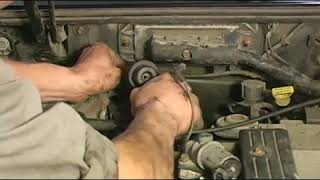
🎬 Watch this walkthrough for reconnecting your hoses and coolant controls.Do I need to replace the heater control valve at the same time?
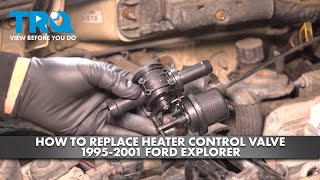
If your new hose assembly doesn't include the heater control valve, it's a good idea to replace it while you're working in the area 🎬 Watch: Step-by-step guide to replacing the heater control valve., especially if it's the original part. These valves are also prone to cracking and leaking.
What kind of coolant should I use to refill the system?
For this era of Ford, a traditional green IAT (Inorganic Additive Technology) coolant is typically specified. However, always check your owner's manual or a reliable service guide. Using the wrong type of coolant can cause problems. A Ford TSB also mentions using Motorcraft Yellow Antifreeze/Coolant when replacing heater cores in some models.
Are there any recalls for the heater hoses on my Explorer?
No, there are no specific recalls for the HVAC heater hoses on the 1996-2001 Ford Explorer. However, there is a Technical Service Bulletin (TSB) that mentions heater core leaks, which are directly related to the cooling system that the hoses are part of.
Helpful Videos
Technical Specifications
OEM Part Numbers: F5TZ-18472-B
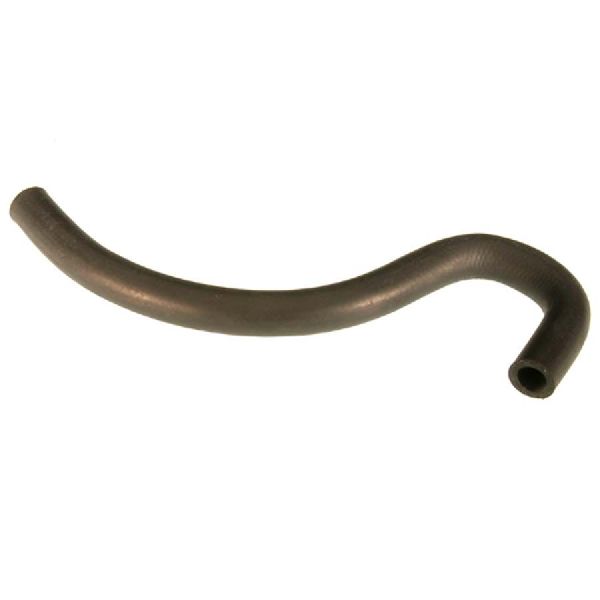
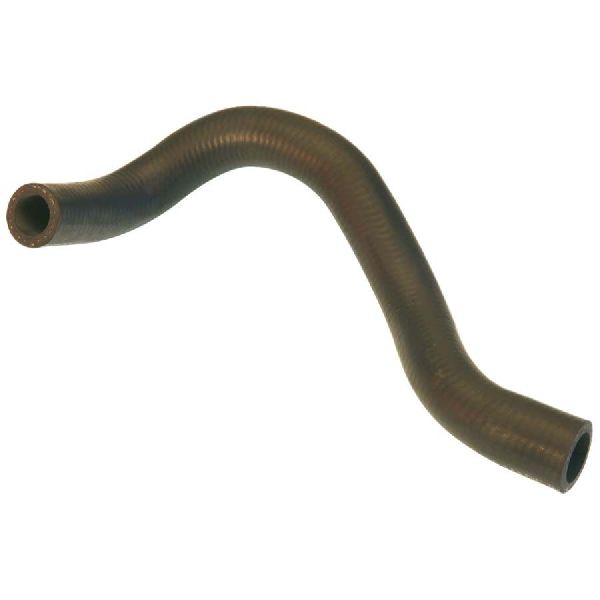
Varies by engine (4.0L OHV, 4.0L SOHC, 5.0L V8). Assemblies may include multiple hoses, plastic or metal T/Y-connectors, and sometimes a heater control valve. Made from EPDM rubber.
We Have This Part in Stock

The information in this article is provided for general reference and educational purposes only. Vehicle specifications, procedures, and part compatibility can vary by production date, trim level, and region. Always consult your vehicle's factory service manual and verify part numbers before purchasing or performing repairs. Safety-critical components such as airbags, seat belts, and braking systems should be installed by a qualified professional.
- Ford Explorer: