

Ford Explorer Oxygen Sensor Guide: 1996-2001
Everything you need to know about replacing the oxygen sensors on your 1996-2001 Ford Explorer.
- Your Explorer has four O2 sensors; use a scan tool to identify which one has failed before buying a replacement.
- Stick with direct-fit sensors from reputable brands like Bosch, Denso, or NGK/NTK for the best results.
- The passenger-side upstream sensor (Bank 1, Sensor 1) is very difficult to access and may require removing the wheel and fender liner.
- Ignoring a bad O2 sensor can lead to poor performance and expensive damage to your catalytic converter.
Understanding Oxygen Sensor Failure in Your Explorer

Oxygen sensors operate in a harsh environment, constantly exposed to hot exhaust gases, and they wear out over time. Contamination from engine oil, coolant, or even fuel additives can also cause them to fail. On a 1996-2001 Ford Explorer, a failing oxygen sensor is a common reason for the check engine light to come on. Ignoring a bad sensor can lead to poor engine performance, reduced gas mileage, and eventually, costly damage to your catalytic converter.
🎬 Watch: How a failed oxygen sensor affects your ExplorerCommon Ordering Mistake
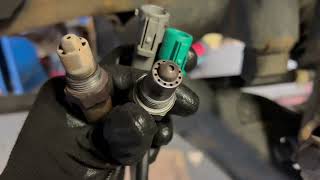
Your Explorer has multiple oxygen sensors. The V6 and V8 engines have four: one upstream (before the cat) and one downstream (after the cat) on each side of the exhaust. Upstream and downstream sensors are different and not interchangeable. Always verify the exact location of the failed sensor before ordering a replacement. Using a scan tool that provides specific codes like "Bank 1 Sensor 1" is the best way to identify the correct sensor.
Choosing the Right Aftermarket Oxygen Sensor

When it comes to emissions components like O2 sensors, quality matters. While OEM Motorcraft parts are available, many aftermarket brands offer excellent quality, often from the same companies that supplied Ford originally.
Tier 1: OE-Equivalent Brands
- Bosch: As an original equipment supplier for Ford, Bosch is a top choice. Their direct-fit sensors are designed to meet or exceed factory performance and include the correct connector for easy installation.
- Denso & NGK/NTK: These are also major OE suppliers known for their reliability and long life. Many professional mechanics and experienced owners trust these brands for a trouble-free replacement.
Tier 2: Quality Aftermarket Brands
- Delphi: A reputable brand that produces reliable sensors. They are a good alternative if a Tier 1 brand is not available.
- Walker Products: Known for exhaust components, Walker offers quality O2 sensors that are a solid choice for this repair.
Tier 3: Economy & Universal Options
- DriveWire, Spectra, Vemo: These brands offer a more budget-friendly option. While functional, their longevity and performance may not match the higher-tier brands.
- Universal Sensors: These are the cheapest option but require you to cut the old connector off and splice it onto the new sensor. This is highly discouraged for modern vehicles like the 1996-2001 Explorer, as improper connections can cause performance issues and false check engine lights.
Pro Tip: Direct-Fit is Worth It
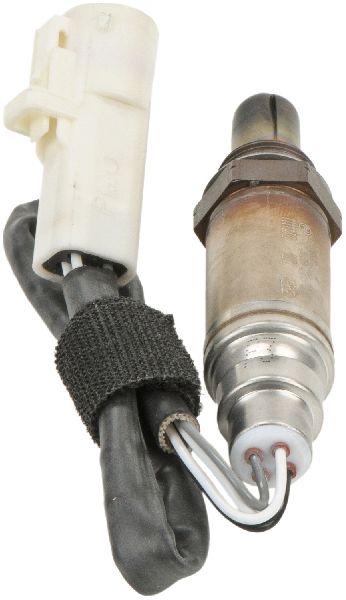
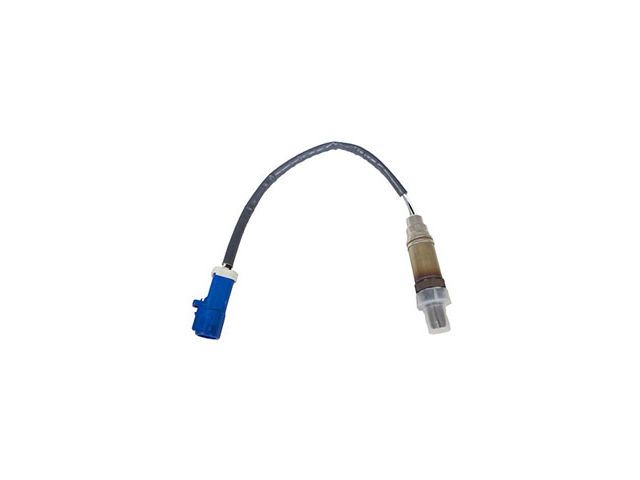
Always choose a "direct-fit" sensor. These come with the correct wiring length and factory-style connector, making the installation much simpler and more reliable. The small amount you might save on a universal sensor isn't worth the headache of splicing wires in a tight space under your truck.
Typical Replacement Costs
The cost can vary depending on the brand and which of the four sensors you are replacing.
| Part Type | Typical Price Range |
|---|---|
| New Aftermarket (Premium) | $50 - $128 |
| New Aftermarket (Economy) | $34 - $65 |
| Shop Labor | $75 - $150 |
Frequently Asked Questions


How many oxygen sensors does my 1996-2001 Explorer have?
Your Explorer, whether it has the 4.0L V6 or the 5.0L V8, is equipped with four oxygen sensors. There is one upstream (before the catalytic converter) and one downstream (after the catalytic converter) for each engine bank. Bank 1 is the passenger side, and Bank 2 is the driver's side.
What tools do I need to replace an O2 sensor?
You will typically need a special oxygen sensor socket, which has a slot for the wire to pass through. You'll also need a ratchet and possibly an extension. Soaking the old sensor with penetrating oil before trying to remove it is highly recommended, as they are often seized in the exhaust pipe. Sometimes, a standard wrench is needed for tight spots.
Is it hard to replace an Explorer O2 sensor myself?
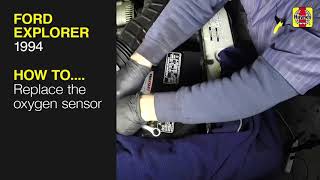
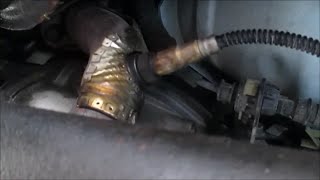
It depends on the location. The downstream sensors and the driver's side upstream sensor are generally accessible. However, the upstream sensor on the passenger side (Bank 1, Sensor 1) is notoriously difficult to reach. 🎬 See this walkthrough for replacing the difficult upstream sensors Many owners find they need to remove the front passenger wheel and the fender liner to get enough access.
What do the O2 sensor codes (P0135, P0141, P0155, P0161) mean?
These are very common codes for the 1996-2001 Explorer and point to a failure in the sensor's internal heater circuit. The heater helps the sensor warm up to operating temperature quickly. In most cases, replacing the specific sensor indicated by the code will fix the problem.
🎬 Watch: Troubleshooting O2 sensor codes and heater circuit failuresShould I replace all four sensors at once?
It's not always necessary. You can replace only the failed sensor. However, since they all have the same amount of wear, if one has failed due to age, the others may not be far behind. If your budget allows and your vehicle has high mileage (over 90,000 miles), replacing them in pairs (both upstream or both downstream) or all four at once can be a good preventative measure.
Helpful Videos
Technical Specifications
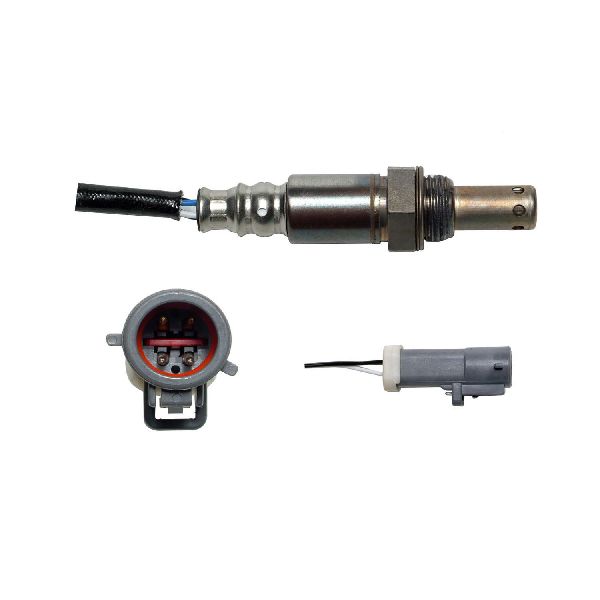
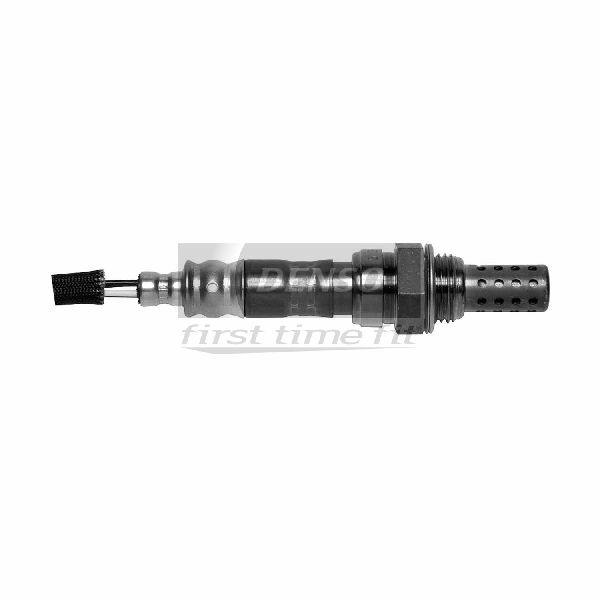
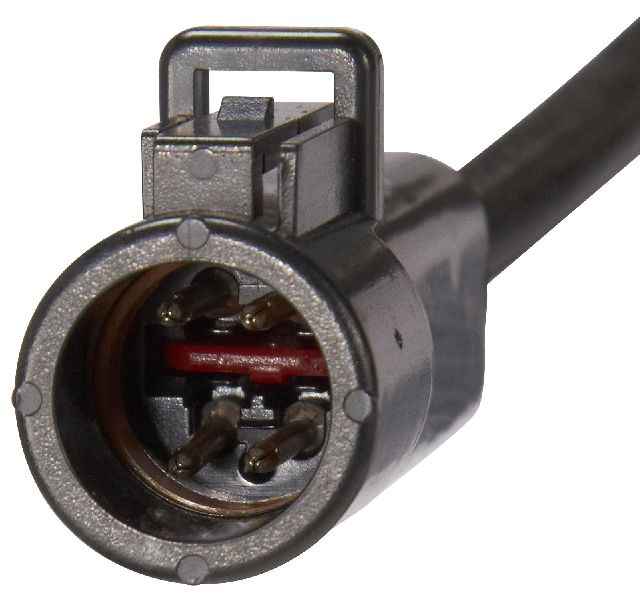
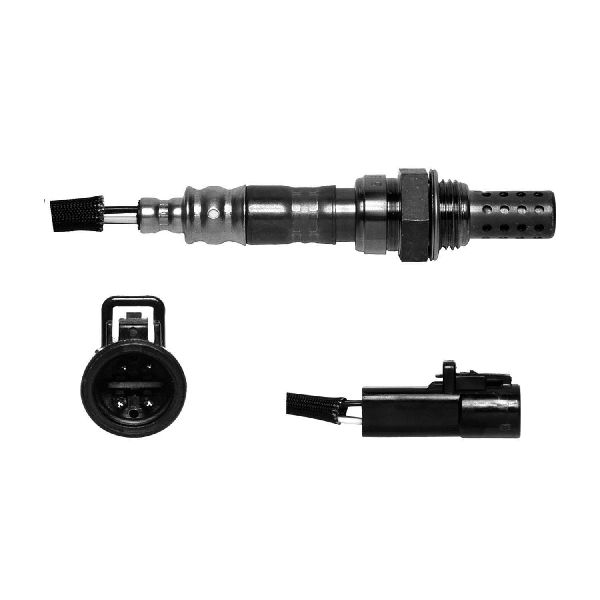
Your 1996-2001 Explorer uses heated, 4-wire oxygen sensors. The physical length of the wire and the connector style will vary depending on the sensor's location (upstream/downstream, driver/passenger side). Always purchase a direct-fit sensor for your specific engine (4.0L V6 or 5.0L V8) and sensor location to ensure compatibility.
We Have This Part in Stock

The information in this article is provided for general reference and educational purposes only. Vehicle specifications, procedures, and part compatibility can vary by production date, trim level, and region. Always consult your vehicle's factory service manual and verify part numbers before purchasing or performing repairs. Safety-critical components such as airbags, seat belts, and braking systems should be installed by a qualified professional.
- Ford Explorer:
- 🎬 Helpful Videos
- 🛍️ Shop This Part
- Understanding Oxygen Sensor Failure in Your Explorer
- Common Ordering Mistake
- Choosing the Right Aftermarket Oxygen Sensor
- Tier 1: OE-Equivalent Brands
- Tier 2: Quality Aftermarket Brands
- Tier 3: Economy & Universal Options
- Pro Tip: Direct-Fit is Worth It
- Typical Replacement Costs
- Frequently Asked Questions
- 🎟️ Get 5% Off