

Infiniti I30 (1996-2001) Throttle Position Sensor Diagnosis and Replacement
Address common stalling, hesitation, and poor idling by understanding and choosing the right throttle position sensor for your I30.
- Hitachi is the original equipment (OE) supplier; choosing this brand is the safest bet for reliability.
- Symptoms like rough idle can also be a dirty throttle body; inspect and clean it before replacing the sensor.
- A new TPS will likely require an adjustment or a computer 'relearn' procedure to ensure proper idle speed.
- No recalls have been issued for the throttle position sensor on the 1996-2001 Infiniti I30.
Understanding the Throttle Position Sensor in Your I30
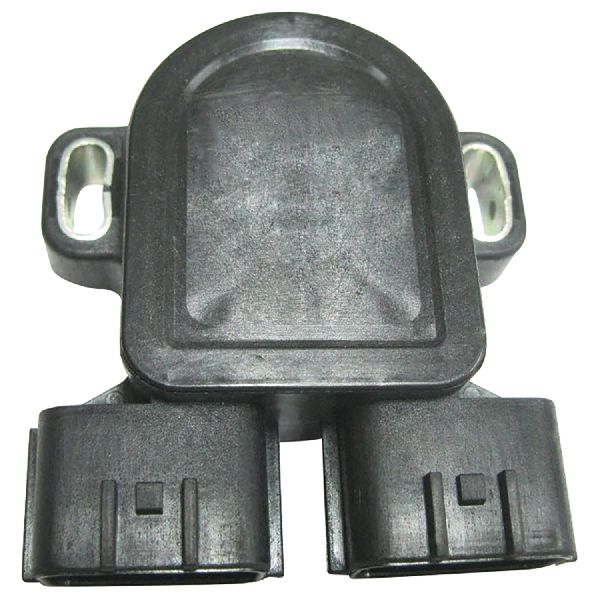
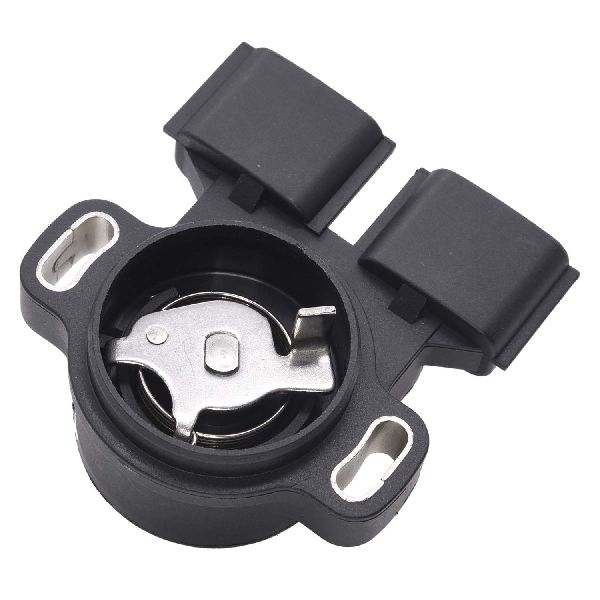
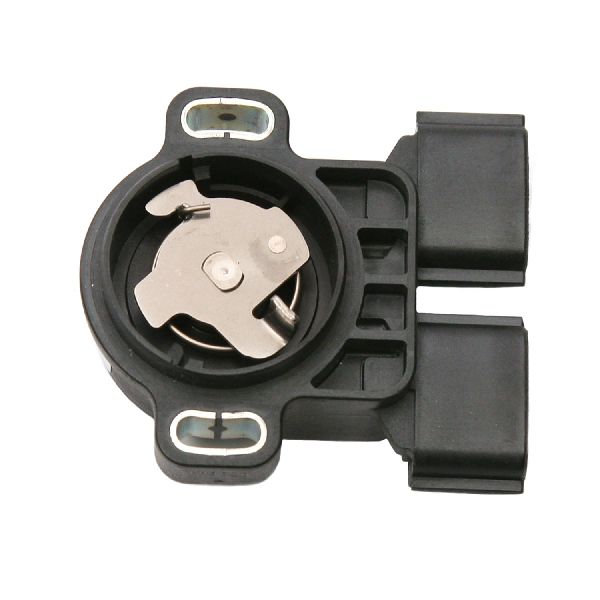
The throttle position sensor (TPS) on the 1996-2001 Infiniti I30 is a key electronic component that tells the car's computer how open the throttle is. This signal is vital for engine performance, influencing fuel injection, ignition timing, and transmission shift points. When this sensor starts to fail, it can cause a range of frustrating and sometimes confusing drivability problems. Since the I30 shares its platform with the Nissan Maxima, many parts and known issues are similar between the two vehicles.
Symptoms of a Failing TPS
A bad throttle position sensor can make your car difficult or unpleasant to drive. Here are the most common signs that your I30's TPS may be failing:
- Check Engine Light: This is often the first sign. The computer will store a trouble code, typically in the range of P0120 to P0125.
- Poor or Hesitant Acceleration: The car may feel sluggish, hesitate, or stumble when you press the gas pedal.
- Rough or Unstable Idle: The engine may idle too high or too low, or the idle speed may fluctuate unpredictably.
- Engine Stalling: The engine might shut off when you come to a stop or even while driving.
- Automatic Transmission Problems: You might experience delayed or harsh gear shifts because the transmission control module uses TPS data to decide when to shift.
- Poor Fuel Economy: An incorrect signal from the TPS can cause the engine to use more fuel than necessary.
Choosing the Right Aftermarket TPS: Brand Tiers
When it comes to electronic sensors for your Infiniti, quality matters. While some aftermarket parts offer great value, cheap, low-quality sensors are known to fail quickly or not perform to original specifications. For a critical component like the TPS, it's best to choose a reputable brand.
Aftermarket Brand Quality Comparison
| Brand Tier | Brands | Quality & Performance Notes |
|---|---|---|
| OEM / Premium Aftermarket | Hitachi, Delphi | Hitachi is the Original Equipment Manufacturer (OEM) for many Nissan and Infiniti parts, making it the top choice for a direct replacement. Delphi is another highly respected OEM supplier with a strong reputation for quality electronics. These brands are designed to match the original part's performance and durability. |
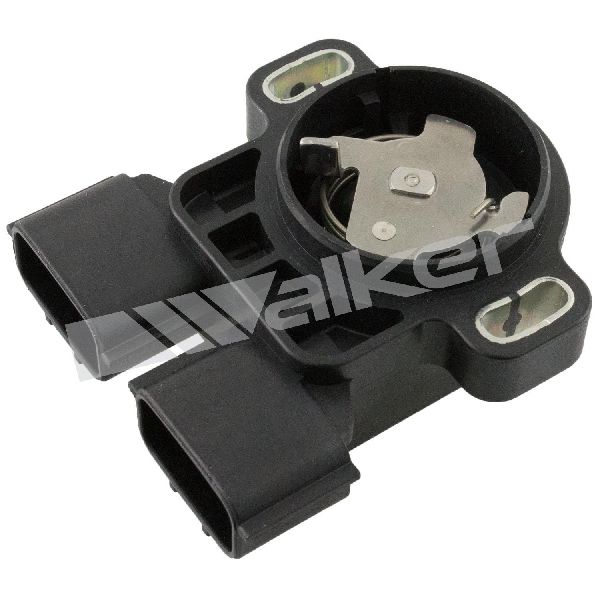
| Reputable Aftermarket | Standard Ignition (SMP), Beck Arnley, Walker Products | These brands are well-known in the aftermarket and generally offer reliable products. They are a good middle-ground option, often providing good quality at a lower price than OEM. Standard Motor Products, in particular, has a broad range of sensors. |
| Value-Oriented | Global Parts, Replacement | These brands are typically the most affordable. While they can be a budget-friendly solution, their long-term reliability and performance consistency can be a concern for sensitive electronics. Using these may lead to needing another replacement sooner than with a premium brand. |
Installation and Calibration
Replacing the TPS on a 1996-2001 I30 is a DIY-friendly job for those with basic tools. The sensor is located on the throttle body and is typically held on by two screws. After disconnecting the battery, you simply unplug the electrical connector, remove the screws, and swap the sensor. However, some replacement sensors may require adjustment or calibration to ensure the idle speed is correct. This involves slightly rotating the sensor before tightening the screws to achieve the correct voltage reading at idle. After installation, it's recommended to perform an idle air volume learning procedure, which allows the ECU to relearn the throttle's closed position.
Frequently Asked Questions (FAQ)
Are there any recalls for the I30 throttle position sensor?
No, there are no specific recalls on the 1996-2001 Infiniti I30 for the throttle position sensor itself. There was a recall on some later model Infiniti hybrids for a TPS software issue, but it does not apply to this generation of I30.
Do I need to calibrate the new TPS?
It is highly recommended. While some sensors are designed to work out of the box, many require a calibration or "relearn" procedure. This ensures the car's computer knows the exact closed and open positions of the throttle, which is crucial for proper idle and acceleration. An uncalibrated sensor can cause high idle or other performance issues.
Can I just clean the throttle position sensor?
No, the TPS is a sealed electronic unit and cannot be cleaned. You might be thinking of cleaning the throttle body itself, which is a common maintenance item and can solve some idle issues. If the TPS is faulty, it must be replaced.
What's the difference between a TPS and a throttle body?
The throttle body is a larger mechanical assembly with a valve (the throttle plate) that controls airflow into the engine. The throttle position sensor is a small electronic sensor attached to the throttle body that measures the position of that valve.
Technical Specifications
OEM Part Numbers: 22620-31U00 22620-31U0A 22620-4M500 22620-4M510 22620-3M201
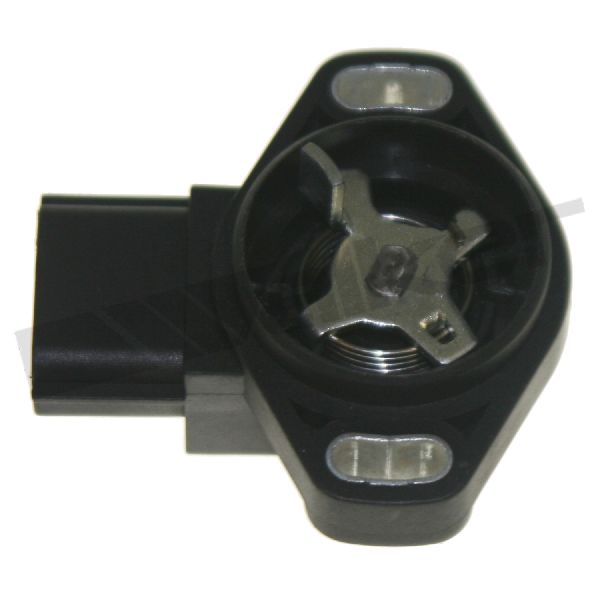
Typically a 3-wire sensor with a 6-prong male terminal connector. It functions as a variable resistor (potentiometer) to send a voltage signal to the ECU.
We Have This Part in Stock

The information in this article is provided for general reference and educational purposes only. Vehicle specifications, procedures, and part compatibility can vary by production date, trim level, and region. Always consult your vehicle's factory service manual and verify part numbers before purchasing or performing repairs. Safety-critical components such as airbags, seat belts, and braking systems should be installed by a qualified professional.
- Infiniti I30: