

A/C Compressor Guide for the 1996-2001 Nissan Sentra
If your Sentra's A/C is blowing warm, the compressor is a likely suspect; here's what you need to know before buying a replacement.
- A failing A/C compressor is a common reason for no cold air in a 1996-2001 Sentra, with symptoms like noise and a non-engaging clutch.
- Replacing the compressor requires specialized tools to handle R-134a refrigerant and is not a simple DIY job.
- Always replace the receiver/drier and expansion valve when installing a new compressor to prevent immediate failure and voiding the warranty.
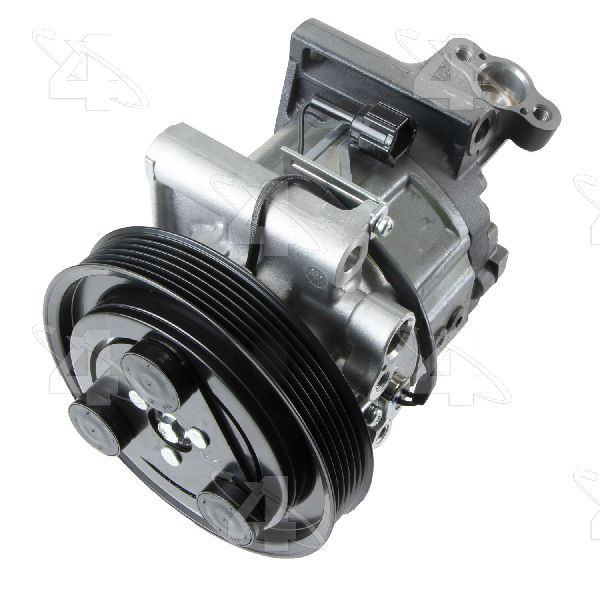
- For this vehicle's age, a new aftermarket compressor from a brand like Four Seasons offers a good balance of cost and reliability compared to expensive OEM or risky remanufactured parts.
Is Your Sentra's A/C Blowing Hot Air?
When the air conditioning in your 1996-2001 Nissan Sentra stops blowing cold, a failing A/C compressor is a common cause. This part works hard, and over many years, its internal components can wear out or the clutch that engages it can fail. Understanding the signs of a bad compressor can help you diagnose the problem correctly and choose the right replacement part to get your A/C running cold again.
Symptoms of a Failing A/C Compressor
- Warm Air from Vents: This is the most obvious sign. If the compressor isn't pressurizing the refrigerant, the system can't cool the air.
- Loud Noises When A/C is On: Grinding or squealing noises point to failing internal bearings or a seized clutch. A high-pitched squeal could mean a worn-out bearing, while a grinding noise can indicate a more serious internal failure.
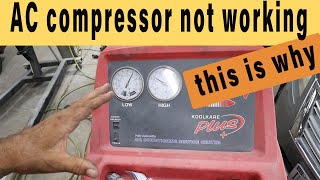
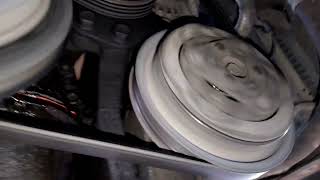
- Compressor Clutch Doesn't Engage: The outer part of the compressor pulley should spin with the belt, but the center clutch only engages when you turn on the A/C. If you see the clutch is not spinning when the A/C is on 🎬 Watch: How to identify a slipping compressor clutch pulley, it could be a bad clutch, a blown fuse, or a system low on refrigerant.
- Visible Leaks: The compressor has seals that can leak refrigerant oil over time. You might see a greasy buildup on the compressor body.
Known Issues, Recalls, and Service Bulletins
For the 1996-2001 Sentra, there are no specific NHTSA safety recalls for the A/C compressor itself. However, Nissan did issue Technical Service Bulletins (TSBs) related to poor A/C performance. TSB #NTB00091, for example, addresses issues where the air from the vents gets warmer while driving, which could be related to overall system performance, not just the compressor. A TSB is not a recall; it's a guide for technicians to fix common problems.
Choosing the Right Aftermarket Compressor: OEM vs. Aftermarket
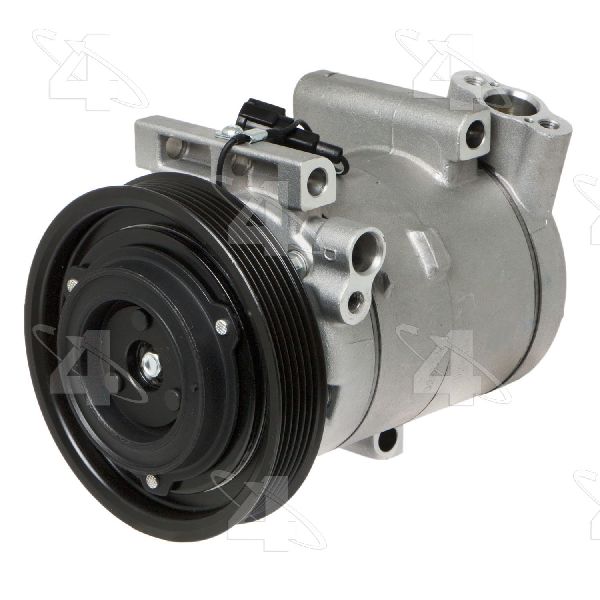
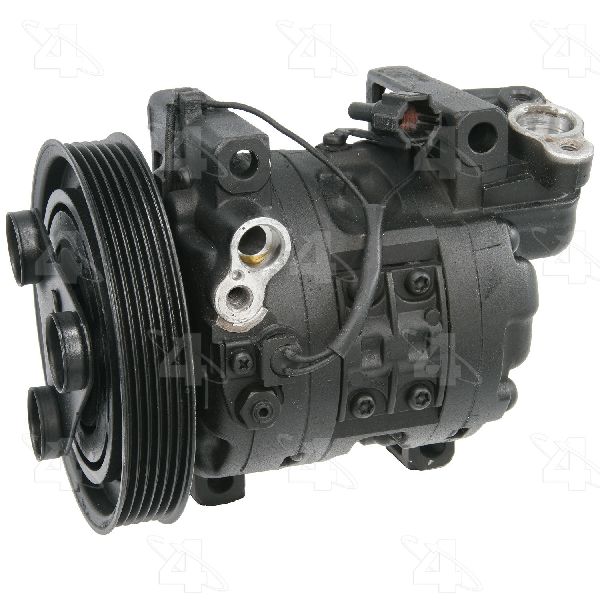
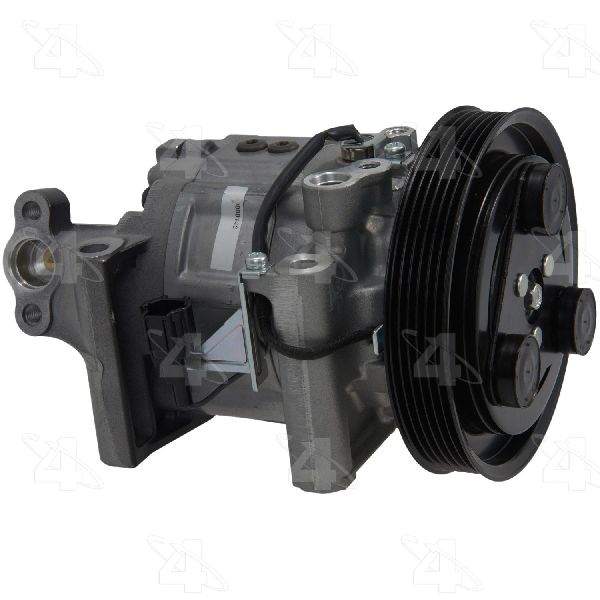
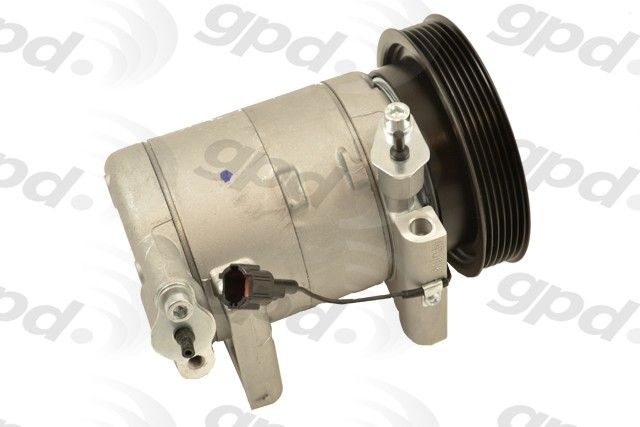
When replacing the A/C compressor on an older vehicle like the B14 Sentra, you have a choice between an expensive Original Equipment Manufacturer (OEM) part and more affordable aftermarket options. For a car of this age, a new aftermarket compressor is often the most practical choice. While OEM parts guarantee a perfect fit and original quality, the cost can be hard to justify. Aftermarket brands like Four Seasons and Global Parts (GPD) are widely available and offer a cost-effective solution. Forum discussions show mixed reviews for aftermarket brands in general, but many owners find them to be a reliable option, especially when a new unit is chosen over a remanufactured one. When replacing the compressor, it is critical to also replace the receiver/drier and expansion valve to ensure the new compressor is not damaged by debris from the old one.
Pro Tip: When you replace your A/C compressor, you MUST also replace the receiver/drier (also called an accumulator) and flush the entire system. Failure to do so can cause your new compressor to fail immediately and will void the warranty.
Cost of Replacing a 1996-2001 Nissan Sentra A/C Compressor
| Part Type | Estimated Cost |
|---|---|
| New Aftermarket Compressor | $315 - $628 |
| New OEM Compressor | $700 - $900+ |
| Remanufactured Compressor | $150 - $300 |
| Shop Labor Cost | $500 - $700 |
| Total Professional Replacement (Aftermarket) | $815 - $1328+ |
Frequently Asked Questions (FAQ)
Do I have to replace other parts with the compressor?
Yes. At a minimum, you must replace the receiver/drier and the expansion valve. It's also highly recommended to flush the A/C lines and condenser to remove any metal shavings or contaminants from the old, failed compressor. Not doing this is the #1 cause of premature failure for a new compressor.
Can I replace the A/C compressor myself?
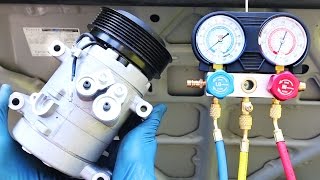
This is a job for an experienced DIYer or a professional. 🎬 See this step-by-step guide on replacing an A/C compressor The replacement requires specialized tools, including a manifold gauge set and a vacuum pump, to properly evacuate and recharge the A/C system with R-134a refrigerant. Improper handling of refrigerant is harmful to the environment and can be dangerous.
What kind of refrigerant does my 1996-2001 Sentra use?
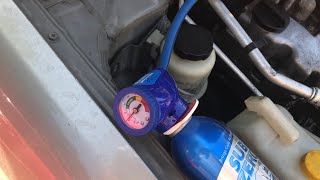
Your Sentra uses R-134a refrigerant. Do not use any other type. 🎬 Watch: How to properly recharge your Sentra's air conditioning The system capacity is typically listed on a sticker under the hood.
Is a remanufactured compressor a good option?
Remanufactured compressors are cheaper but can be hit-or-miss in terms of quality and longevity. Given the high cost of labor to install the part, a new aftermarket compressor is often a safer investment to avoid doing the job twice.
What is the difference between Four Seasons and Global Parts (GPD)?
Both are popular aftermarket brands. Some forum users have reported positive experiences with new Four Seasons compressors, noting their warranty and performance. GPD is another common alternative. For a critical component like a compressor, choosing a new unit from a reputable aftermarket brand is generally recommended over a remanufactured one.
Helpful Videos

Technical Specifications
OEM Part Numbers: 92600-4Z002 92600-4Z003
Fits 1.8L (QG18DE) and 2.0L (SR20DE) engines. Compressor Type: DKV11G. Pulley: 6-Groove. Refrigerant: R-134a.
We Have This Part in Stock

The information in this article is provided for general reference and educational purposes only. Vehicle specifications, procedures, and part compatibility can vary by production date, trim level, and region. Always consult your vehicle's factory service manual and verify part numbers before purchasing or performing repairs. Safety-critical components such as airbags, seat belts, and braking systems should be installed by a qualified professional.
- Nissan Sentra:
- 🎬 Helpful Videos
- 🛍️ Shop This Part
- Is Your Sentra's A/C Blowing Hot Air?
- Symptoms of a Failing A/C Compressor
- Known Issues, Recalls, and Service Bulletins
- Choosing the Right Aftermarket Compressor: OEM vs. Aftermarket
- Cost of Replacing a 1996-2001 Nissan Sentra A/C Compressor
- Frequently Asked Questions (FAQ)
- 🎟️ Get 5% Off