

A Guide to Replacing the Alternator on Your 1996-2001 Suzuki Swift
Keep your Swift's electrical system healthy by understanding alternator failure and choosing the right replacement part.
- Symptoms include a battery light, dimming headlights, and whining noises.
- No recalls or TSBs exist for this part; failures are from normal wear.
- The stock alternator is 55 amps; only get a higher output if you've added electronics.
- Always replace the drive belt with the alternator and have your battery tested.
Is Your Suzuki Swift Alternator Failing?
The alternator is a part that wears out over time. For a car like the 1996-2001 Suzuki Swift, it's not a matter of if, but when, it will need replacement. When it starts to fail, your car will give you several clear warning signs. Ignoring them can leave you with a car that won't start or stalls while driving.
Common Failure Symptoms:
🎬 Watch: A quick breakdown of the 6 main alternator symptoms- Battery Warning Light: The most obvious sign is a battery-shaped warning light on your dashboard. This light indicates a problem with the charging system, and the alternator is the most likely cause.
- Dimming or Flickering Lights: You may notice your headlights, interior lights, or dash lights flicker, get very dim, or even become unusually bright. This happens because the failing alternator is providing inconsistent voltage.
- Strange Noises: A grinding or whining sound coming from the engine bay can point to bad bearings inside the alternator. A squealing noise could be a worn or loose drive belt that spins the alternator.
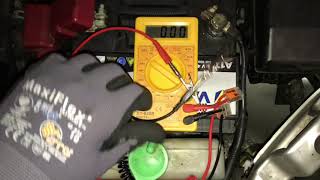
- Weak or Dead Battery: A bad alternator cannot properly charge the battery. You might find your car is hard to start, or the battery is completely dead, even after a jump-start. If the car starts with a jump but dies again shortly after, the alternator is almost certainly the problem. 🎬 Watch: How to test your Swift alternator with a multimeter
- Electrical Glitches: Your radio might act up, or your power windows may operate slower than normal. These are signs that there isn't enough electrical power to go around.
No Recalls or Bulletins Found
Searches of the National Highway Traffic Safety Administration (NHTSA) database show no specific recalls or Technical Service Bulletins (TSBs) for alternator failure on the 1996-2001 Suzuki Swift. This means failures are typically due to normal wear and tear rather than a manufacturing defect.
Choosing the Right Aftermarket Alternator
For a vehicle of this age, a new aftermarket alternator provides a great balance of cost and reliability. You don't need to pay the high price for a new OEM part from the dealer. However, quality among aftermarket brands can vary.
| Brand Tier | Available Brands | General Assessment |
|---|---|---|
| Mid-Grade (Recommended) | Remy, BBB Industries | These brands have a long history in the aftermarket. Remy was once part of the original GM supply chain (Delco Remy). While generally reliable, some users have reported premature bearing failures. BBB Industries is a large manufacturer that also supplies parts for store brands like NAPA. These offer a good balance of price and quality for a daily driver. |
| Economy | WAI Global | These are typically new units made in China. While they are the most affordable, they have a reputation for inconsistent quality. Some owners use them without issue, but others have reported early failures. Best for those on a tight budget who are willing to accept a higher risk. |
Pro Tip: Consider a Local Rebuild
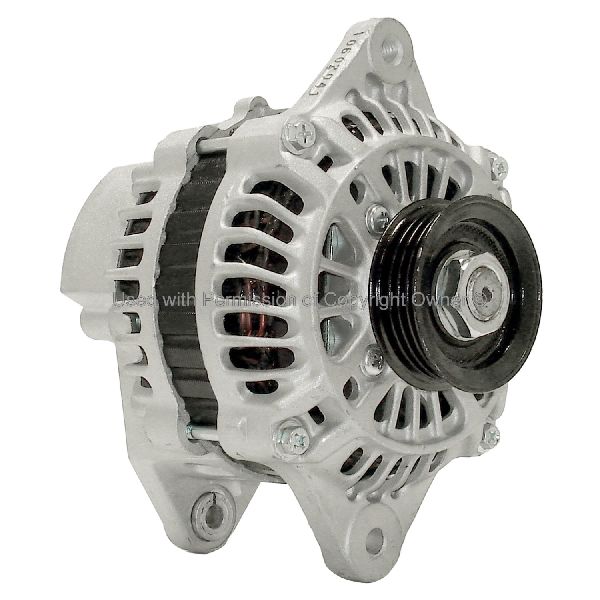
Your Swift was originally equipped with a high-quality Mitsubishi alternator. Many owners prefer to take their original alternator to a local automotive electric shop to have it rebuilt. This can sometimes be more reliable than buying a new, lower-quality aftermarket unit and often costs a similar amount.
Frequently Asked Questions (FAQ)
What amperage do I need for my Swift?
The original equipment alternator for the 1.3L engine is rated at 55 amps, which is sufficient for the car's stock electrical needs. Aftermarket options are available with higher outputs, such as 110 or 120 amps, but these are only necessary if you have added high-draw accessories like a powerful sound system or extra lighting.
Should I replace the drive belt at the same time?
Yes, it is highly recommended. The drive belt (also called a serpentine belt) has to be removed to replace the alternator. Since the belt is an inexpensive wear item, replacing it at the same time as the alternator is cheap insurance against future problems.
🎬 See this guide on adjusting the alternator drive beltIs this a difficult job to do myself?
For a DIY mechanic with some experience, it is a manageable job. It requires removing the passenger-side front wheel and splash shield for access. The alternator itself acts as the belt tensioner, so you'll pivot it to loosen and tighten the belt. The part is best removed from the top of the engine bay after taking off the air intake hose. It may take a few hours if it's your first time.
Should I also replace my battery?
It's a good idea to have your battery tested. A failing alternator can damage a battery, and a bad battery can put extra strain on a brand new alternator, causing it to fail early. If your battery is more than four years old, consider replacing it as a preventative measure.
Helpful Videos
Technical Specifications
OEM Part Numbers: 31400-60A21 31400-50G10 31400-60A20
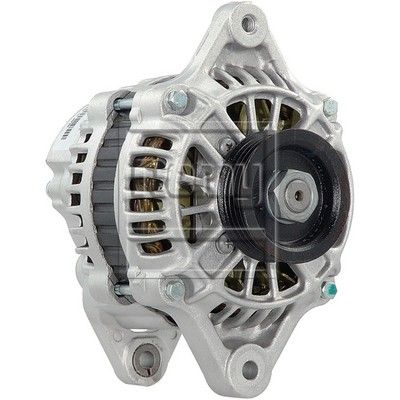
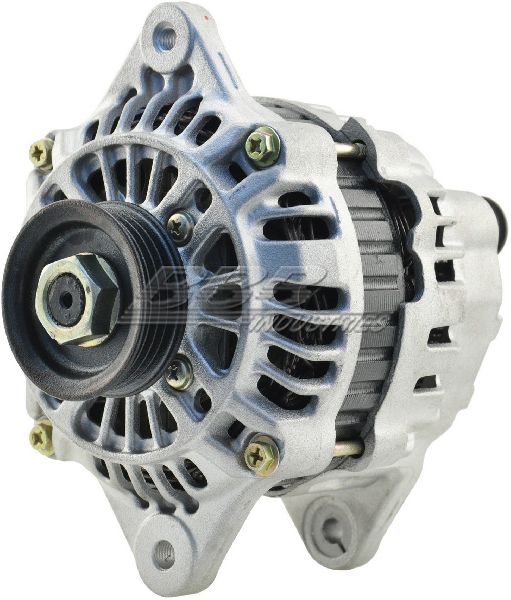
The stock unit is a Mitsubishi-designed, internally regulated alternator with a 55 amp output and a 4-groove serpentine pulley.
We Have This Part in Stock

The information in this article is provided for general reference and educational purposes only. Vehicle specifications, procedures, and part compatibility can vary by production date, trim level, and region. Always consult your vehicle's factory service manual and verify part numbers before purchasing or performing repairs. Safety-critical components such as airbags, seat belts, and braking systems should be installed by a qualified professional.
- Suzuki Swift: