

Ignition Knock Sensor Replacement for 1996-2001 Toyota 4Runner
Understanding why this difficult repair is critical for your 4Runner's 3.4L V6 engine performance.
- This is a very difficult repair due to the sensor location under the intake manifold; high labor costs are the main expense.
- Always replace the short wire harness (pigtail) at the same time as the sensors; it is a common failure point.
- Due to the high labor cost, using OEM (Denso) or top-tier aftermarket parts (NGK, Delphi) is strongly recommended to avoid repeating the job.
- A bad knock sensor will cause the ECU to enter a 'limp mode', resulting in significant power loss and poor acceleration.
Is Your 4Runner Suddenly Sluggish? It Could Be the Knock Sensor.
A failing knock sensor is a common issue on the 3rd generation Toyota 4Runner. When the sensor or its wiring fails, the engine's computer can no longer detect harmful detonation. To protect the engine, the computer defaults to a 'safe mode,' which severely retards ignition timing. This results in a significant loss of power and acceleration, often called 'limp mode,' and a check engine light on your dash.
A Difficult and Costly Repair
Replacing the knock sensors on the 3.4L 5VZ-FE engine is a labor-intensive job. The sensors are located deep in the 'V' of the engine, underneath the lower intake manifold. This requires removing the upper intake plenum, fuel rails, and lower intake manifold, which takes several hours. 🎬 Watch: A more efficient way to access the sensors Because of the high labor cost, it is critical to use high-quality parts to avoid having to do the job twice.
Choosing the Right Aftermarket Knock Sensor
Given the difficulty of the replacement, part quality is everything. While OEM sensors from Toyota (DENSO is the original manufacturer) are the most recommended by enthusiasts, some high-quality aftermarket options can be a reliable alternative. Cheap, unbranded sensors are notorious for failing quickly, forcing you to pay for the expensive labor all over again.
Brand Quality Tiers
- Top Tier (OEM Equivalent): Brands like NGK (also NTK) and Delphi have a strong reputation for producing sensors that meet or exceed OEM specifications. They are often manufactured to the same performance standards and are a trusted choice if you want reliability without the full OEM price.
- Mid-Tier (Standard Replacement): Brands such as Standard Ignition (SMP), Beck Arnley, and Walker Products offer a balance of price and quality. They are generally reliable for daily driving but may not have the same longevity as a top-tier or OEM part.
- Economy Tier (Budget-Friendly): Brands like URO Parts, Global Parts, and other lower-cost options are available. While the low price is tempting, many owners report these sensors failing prematurely. Given the high labor cost for this specific repair, using economy parts is a significant gamble.
Pro Tip: Always Replace the Wire Harness!
The short wire harness that connects the two knock sensors to the main engine harness is a frequent point of failure. It becomes brittle from heat and vibration, causing cracks and connection issues that trigger the same P0325 and P0330 codes. It is strongly recommended to replace this harness (OEM Part #82219-34010) whenever you replace the sensors. 🎬 See this step-by-step walkthrough of the full replacement process Failing to do so is a common reason for needing to repeat the entire repair.
Cost to Replace 1996-2001 4Runner Knock Sensors
| Part/Service | Estimated Cost |
|---|---|
| Shop Labor | $800 - $1,500+ |
| New OEM Sensors (Set of 2) | $350 - $550 |
| New Aftermarket Sensors (Set of 2) | $38 - $168 |
| OEM Wire Harness | $40 - $60 |
| Total Professional Repair (with Aftermarket Parts) | $900 - $1,700+ |
| Total Professional Repair (with OEM Parts) | $1,200 - $2,100+ |
Frequently Asked Questions (FAQ)
Why is the replacement so expensive?
The cost is almost entirely due to labor. The sensors are buried under the intake manifold, requiring a mechanic to spend 4-6 hours disassembling the top of the engine to reach them. This is why choosing a reliable part is so important.
Can I just replace one sensor?
You can, but it's not recommended. Since the labor is the same to access both, and if one has failed due to age, the other is likely not far behind. To avoid paying for the same difficult job twice, it is best practice to replace both sensors and the wire harness at the same time.
What are the common error codes for a bad knock sensor?
The most common codes are P0325 (Knock Sensor 1 Circuit Malfunction - Bank 1) and P0330 (Knock Sensor 2 Circuit Malfunction - Bank 2). Often, the problem is the wire harness, which can trigger one or both codes.
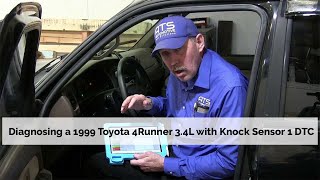
🎬 Watch: Diagnosing a 4Runner with a P0325 fault codeAre there any recalls for the knock sensor on this 4Runner?
No, there are no specific recalls or technical service bulletins (TSBs) from Toyota or the NHTSA for the knock sensors on the 1996-2001 Toyota 4Runner. The failure is considered a maintenance issue.
Can I test the sensors before replacing them?
Yes, the sensors can be tested for continuity, but this test is not always conclusive. A sensor can sometimes pass a continuity test but still be faulty under operating conditions. Given the labor involved to access them, most mechanics and experienced owners recommend replacing them if you're already taking the intake manifold off for any reason.
Helpful Videos
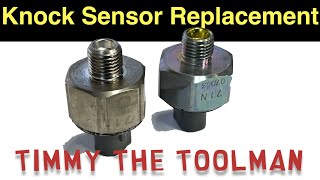
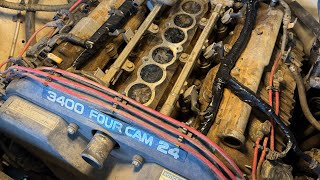
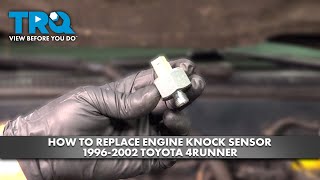
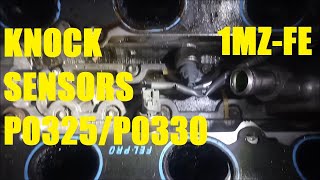
Technical Specifications
OEM Part Numbers: 89615-12090 89615-12050 82219-34010
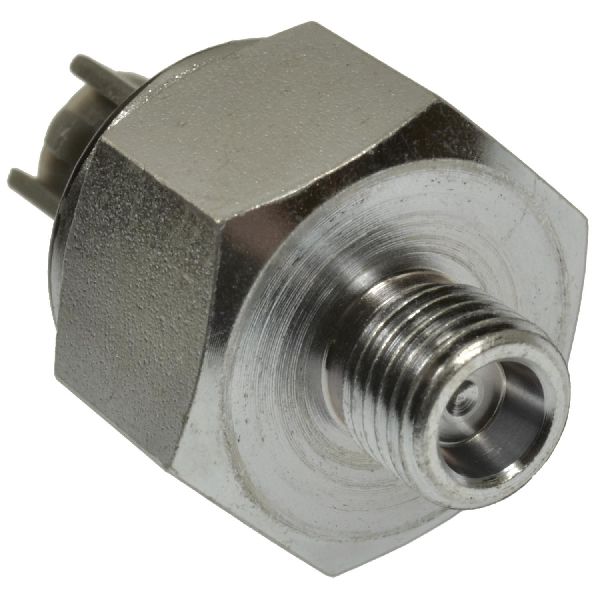
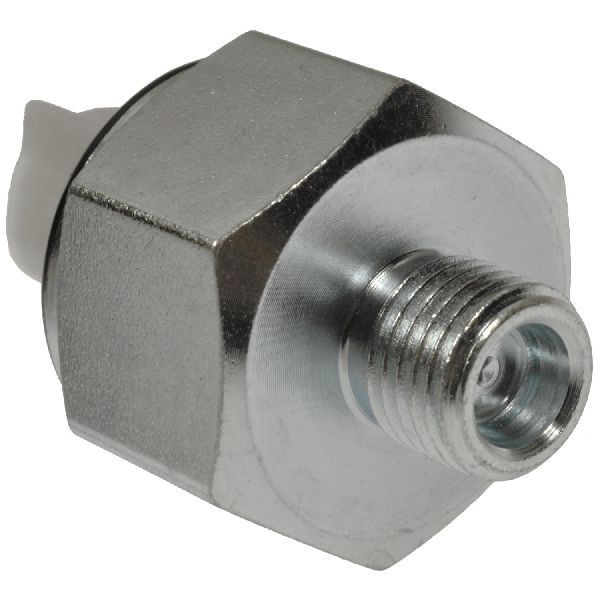
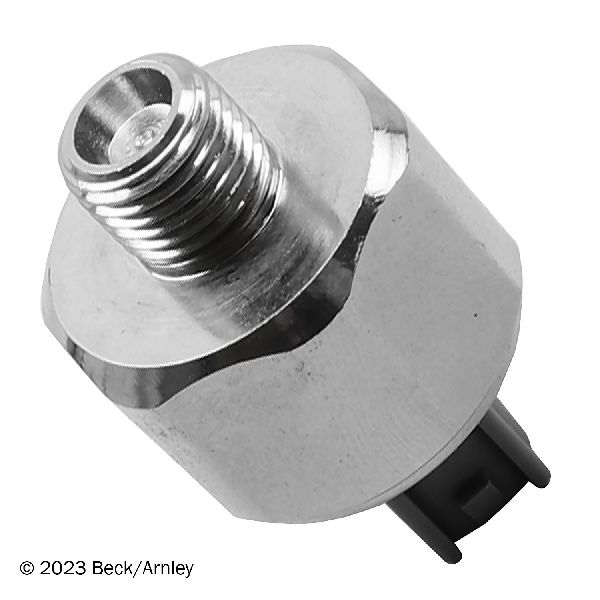
Engine: 3.4L V6 (5VZ-FE). Quantity Required: 2 Sensors, 1 Wire Harness. Location: Under the lower intake manifold in the engine valley.
We Have This Part in Stock


The information in this article is provided for general reference and educational purposes only. Vehicle specifications, procedures, and part compatibility can vary by production date, trim level, and region. Always consult your vehicle's factory service manual and verify part numbers before purchasing or performing repairs. Safety-critical components such as airbags, seat belts, and braking systems should be installed by a qualified professional.
- Toyota 4Runner:
- 🎬 Helpful Videos
- 🛍️ Shop This Part
- Is Your 4Runner Suddenly Sluggish? It Could Be the Knock Sensor.
- A Difficult and Costly Repair
- Choosing the Right Aftermarket Knock Sensor
- Brand Quality Tiers
- Pro Tip: Always Replace the Wire Harness!
- Cost to Replace 1996-2001 4Runner Knock Sensors
- Frequently Asked Questions (FAQ)
- 🎟️ Get 5% Off